
Known for
 7.8
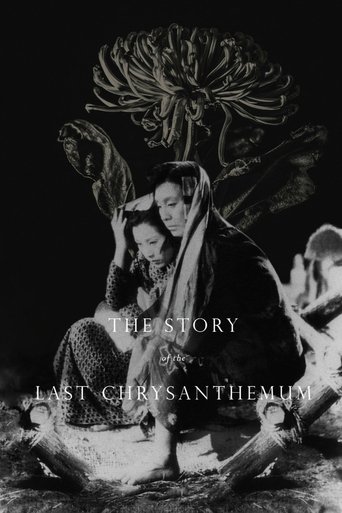
7.8In late 19th-century Tokyo, Kikunosuke Onoue, the adopted son of a legendary actor, himself an actor specializing in female roles, discovers that the praise he receives is only due to his status as his father's heir. Devastated, he turns to Otoku, a servant of his family, for comfort, and they fall in love. Kikunosuke becomes determined to leave home and develop as an actor on his own merits, and Otoku faithfully joins him.
The Story of the Last Chrysanthemum
1939
 7.1
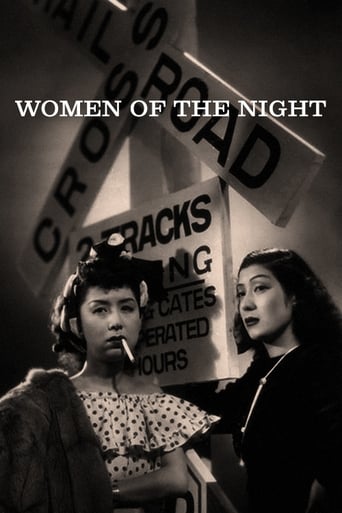
7.1In early post-war Osaka, three women—war widow Fusako, her Korean expat sister Natsuko, and Kumiko, Fusako's sister-in-law—descend into prostitution, all for their individual reasons.
Women of the Night
1948
 7.0
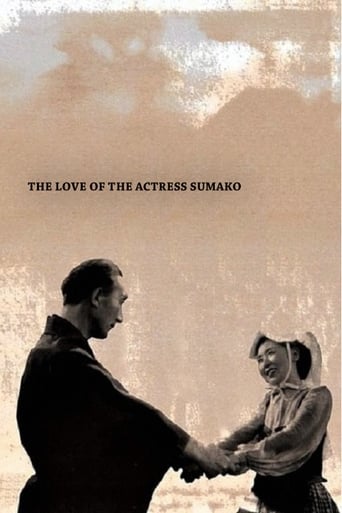
7.0Stage director Shimamura, who is bringing western theatre to Japan, falls in love with outspoken actress Sumako Matsui, and leaves his family to be with her, while trying to keep his Art Theatre solvent.
The Love of the Actress Sumako
1947
 NR
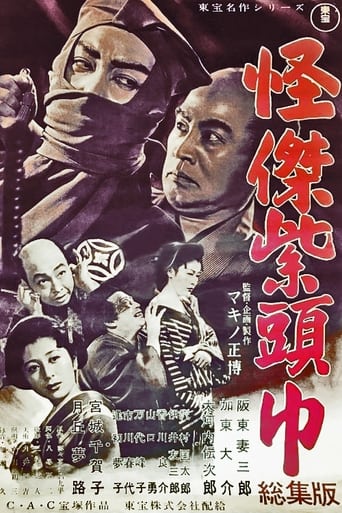
NRThe purple hood reveals the embezzlement of public money by officials. A remake of Masahiro Makino's 1923 film.
Saheiji’s Casebooks: The Purple Hood
1949
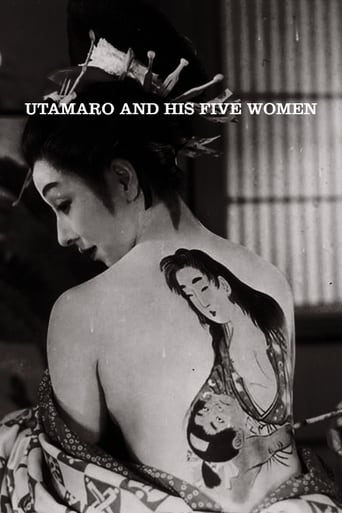 7.1
7.1Utamaro, a great artist, lives to create portraits of beautiful women, and the Tokyo brothels provide his models. A world of passion swirls around him, as the women vie for lovers, and, occasionally, his art gets him into trouble.
Utamaro and His Five Women
1946
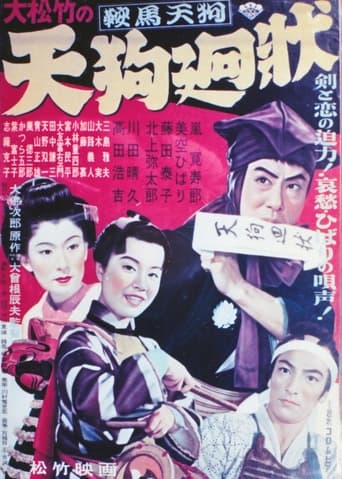 NR
NRMasked avenger Kurama Tengu and his young sidekick try to stop a mysterious adversary from assassinating a group of young warriors who want to bring down the Shogunate...
Kurama Tengu: Anonymous letter to Tengu
1952
Film credits
1960s · 4 titles
1950s · 26 titles
NRMasked avenger Kurama Tengu and his young sidekick try to stop a mysterious adversary from assassinating a group of young warriors who want to bring down the Shogunate...
Kurama Tengu: Anonymous letter to Tengu
1952
 8.0
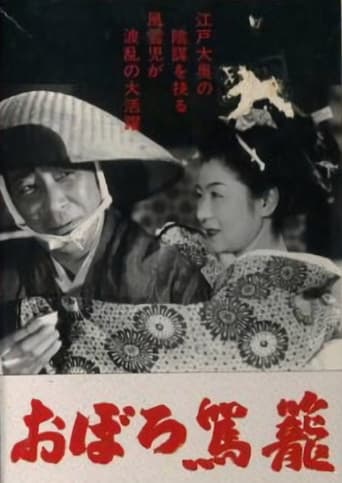
8.0A period mystery in which an unconventional priest exposes the truth behind the bizarre death of a maid in the shogun's harem. Kinuyo Tanaka stylishly plays a constantly intoxicated geisha in this all-star entertainment film.
The Inner Palace Conspiracy
1951
 NR
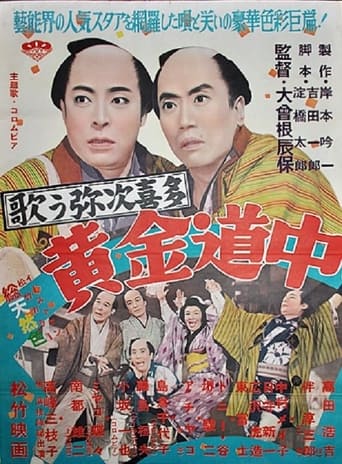
NR1957 Japanese movie
Utau yajikita kogane dōchū
1957
 NR
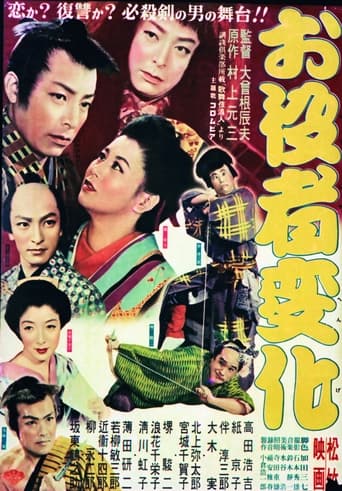
NRDuring the Genroku era, Azusa Gennosuke, renowned in Nara as a top swordsman and a scholar, crossed swords with the Magistrate Kurobane Yatayu, who tried to force himself on Gennosuke's beloved foster-sister, Kikuno. As a result, Gennosuke's younger brother, Shichisaburo, was killed. Separated from his mother, Gennosuke found himself on the run from the officials.
お役者変化
1954
 NR
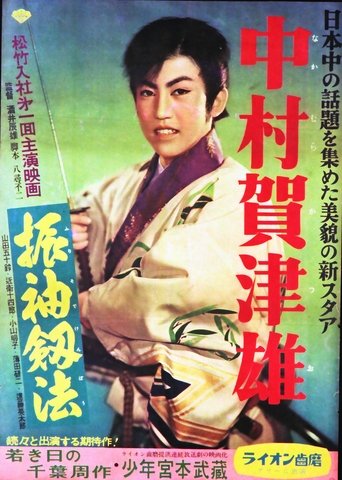
NRIn Marugame Domain of Shikoku, a low-ranking foot soldier named Tagami Genbachi was envied for marrying Tsuji, the most beautiful woman in the domain. However, due to a personal grudge held by Horikawa Gentazaemon, the swordsmanship instructor, Genbachi met an untimely and bitter death through foul means within the precincts of the Hachiman Shrine. Due to the domain's oppressive treatment of those of low status, Tsuji, now with her infant son Botaro, was dispossessed of her home and exiled.
振袖釼法
1955
 NR
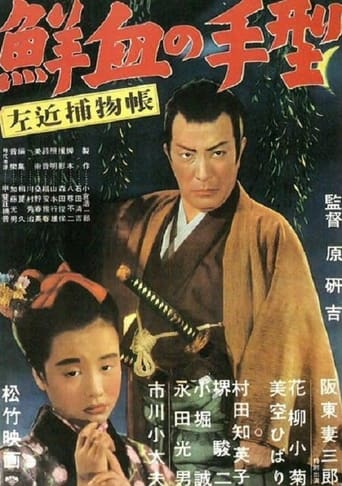
NRNo synopsis available yet.
Sakon Detective Story: Handprint in Fresh Blood
1950
 NR
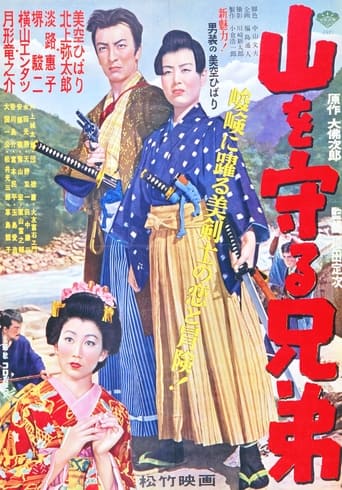
NRIn the mountainous region of Koshu, Taikahara, there was an intense power struggle between the prominent families, Tamaki and Kakukura. Facing the steward of Kakukura, Kurokawa Senjiro, was Tamaki Daisaburo, who was skilled with a handgun. Daisaburo had granted protection to the charcoal maker, Miyoshi, safeguarding a few mountains passed down from their ancestors. Daisaburo's elder brother, Iori, who had completed his training in Edo, saved Kakukura's only daughter, Koyumi, on his way back home. However, while Daisaburo rushed to Iori's aid after Koyumi was attacked by Kurokawa and his men, their family home was set ablaze.
The Brothers who Protect the Mountain
1953
 10.0
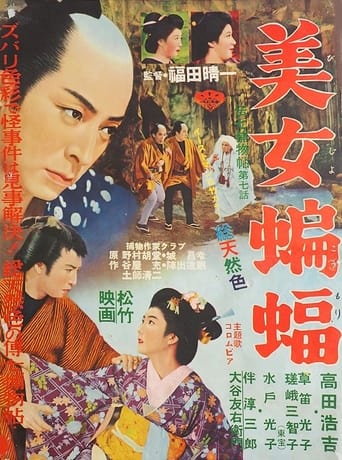
10.0The head of Oshu, Harumichi Honma, was ordered by the boat bugyo (Commissioner of the board) Tajima Kuze to extract five gold coins to the Shogun family in Edo, and put it into Ryujin Maru. However, Tajima, who was the chief retainer of the shogunate, said that he was a member of the board, tetsugoro Funabashi, kumiyumi no Kami ichibei, and his son, masakichi, and others, and in the middle of the night, he killed all the members with poison in the night of the storm, threw Masayoshi, who was a fellow of the city, and masakichi, who escaped from the death of poison, into the sea and sank the boat to eliminate evidence.
The Detective Denshichi Case Files: The Beautiful Bat
1957
 NR
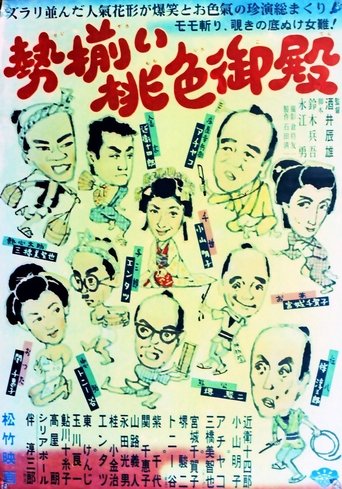
NR1957 Japanese movie
Seizoroi momoiro goten
1957
 NR
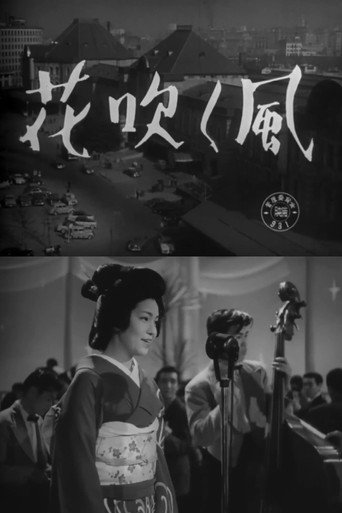
NRNo synopsis available yet.
Hana fuku kaze
1953
 NR
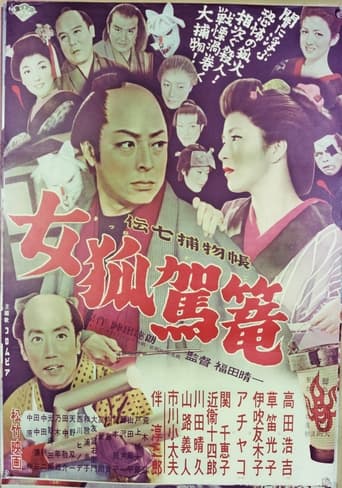
NROne night in Edo, a mysterious woman in a palanquin appeared at the moneylender Yamashiroya, revealing herself to a beautiful woman. She told the owner, Shigebē, that she had come to collect a life he owed from twenty years ago and then left. The same night, Maruiya Genbē also received a visit from the woman's palanquin, and nearby, a man named Manbē was murdered. The detective Hayanawa Gohē concluded the murder was the work of a fox spirit, but another detective, Den Shichi, skeptical of this theory, noticed footprints on the tatami and decided to investigate further.
Denshichi Torimonocho: Female Fox Palanquin
1956
 NR
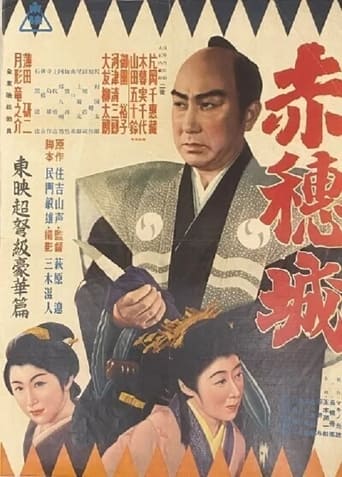
NRThe film vividly shows the misadventures of Oishi Kuranosuke and the human dramas inside the castle, which lead to the surrender of Ako Castle after seppuku by its lord Asano Takumi-no-kami and the termination of his family's power. This is the first film of the Ako Castle trilogy.
Castle of Revenge
1952
 NR
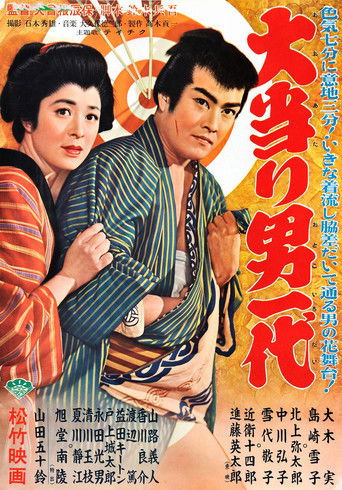
NRShinzō, the heir of the prominent Edo lumber dealer Yamashiroya, left home when his stubborn father, Chōzaemon, dismissed his lover, the maid Oyasu. Shinzō and Oyasu set up a household near a soba shop in Fukagawa, but Shinzō struggled financially, turning to gambling and fighting, while Oyasu worked as a tea server in a theater, constantly harassed by a small-time gangster, Rikichi, for cigarette money. The only ones concerned about Shinzō and Oyasu were Shinzō’s sister, Omitu, and her dance teacher, Oyoshi. Later, Shinzō managed to get a job at another lumber dealer, but after a conflict with the detective Hansuke, who was also infatuated with Oyasu, Shinzō accidentally dropped lumber into the river and was fired. Unaware that Oyasu had borrowed money from a bar to repay the lumber dealer, Shinzō left to earn money in the Mito clan's crew quarters and ended up rescuing Rikichi from a dice game trouble.
大当り男一代
1956
 NR
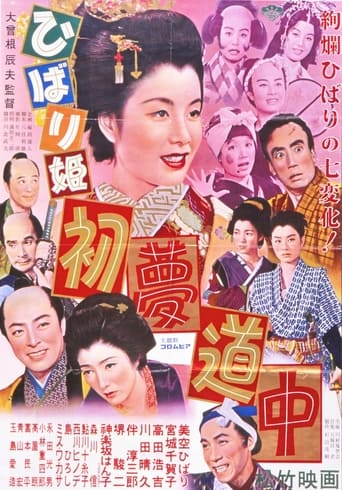
NRNo synopsis available yet.
Princess Hibari's First Dream Journey
1952
 NR
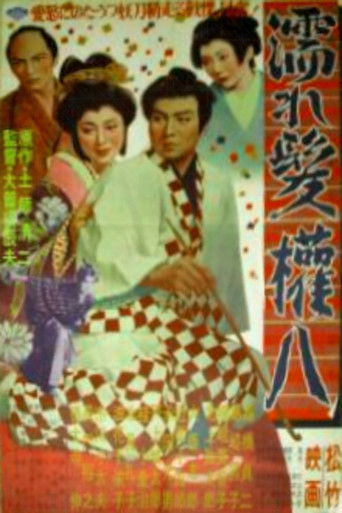
NRA foot soldier from Tottori domain named Shirai Gonpachi showcased exceptional swordsmanship that even surpassed the domain's champion Honjo Sukehichi during a ceremonial match. Though Gonpachi was promised a promotion to samurai status due to his skills, Sukehichi's father Sukezaemon's intervention out of jealousy prevented this. In anger, Gonpachi killed Sukezaemon and, without realizing it, also mistakenly killed Tomoe, his lover's brother Tsushimo Uemon. Following this, he fled to Kyoto, seeking shelter at the "Murasa" inn operated by Uemon's aunt.
Beautiful Gonpati
1954
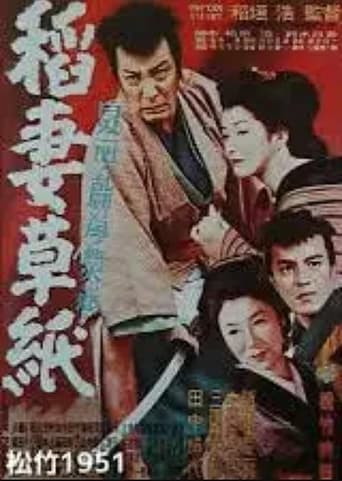 10.0
10.0Gensaburo Funaki and Oyuki were childhood friends, but Gensaburo misunderstood that Oyuki was hesitant to get married because he had to feed his father and younger brother. I left the town.
Story of Lightning
1951
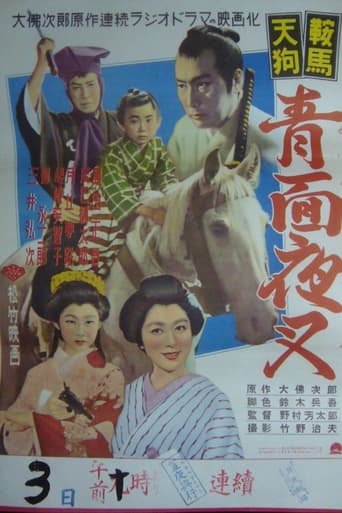 NR
NRAt the end of the Edo period - On his way back after being invited by the three Mikados of Higashi Shirakawa, Kurama Tengu was attacked by the Shinsengumi. Given the circumstances, he began to suspect a connection between the Mikado and the Shinsengumi.
Kurama tengu: Aomen yasha
1953
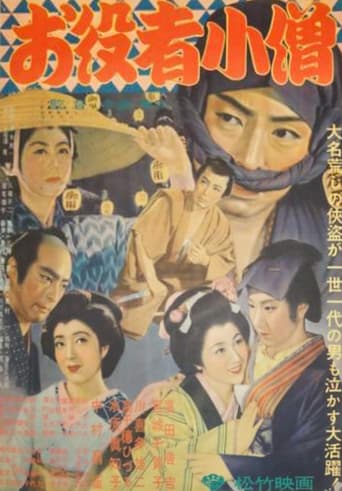 NR
NRThe phantom thief, known as the "Actor Kid", who was creating a stir in the Daimyo's mansion, especially in the inner chambers, was called Inaba Goutaro. He was the adopted son of a samurai, Inaba Buemon. An incident occurred where his foster father collided with the palanquin of the lord's concubine. In the subsequent altercation, Goutaro killed one of the attendants. Taking responsibility for the act, his foster father committed seppuku, and Goutaro was hunted down. Facing death, his foster father revealed to Goutaro that after the death of his biological father, Goutaro's real mother and his younger brother were forcibly made to serve a lord. This revelation ignited Goutaro's determination to infiltrate the Daimyo's mansion to meet his birth mother.
お役者小僧
1953
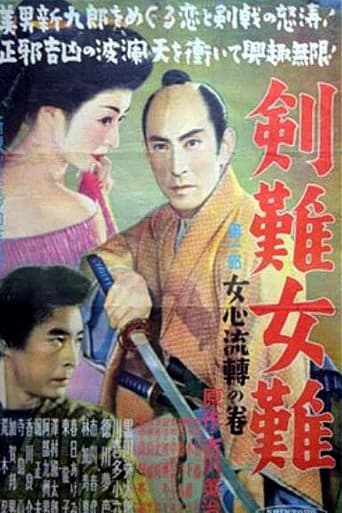 NR
NRNo synopsis available yet.
Trouble Over Swords and Women: A Woman's Mind
1951
 NR
NRA parody based on Kabuki plays about thieves led by the famous Soshun Kochiyama.
Six Men Mustered in Great Edo
1953
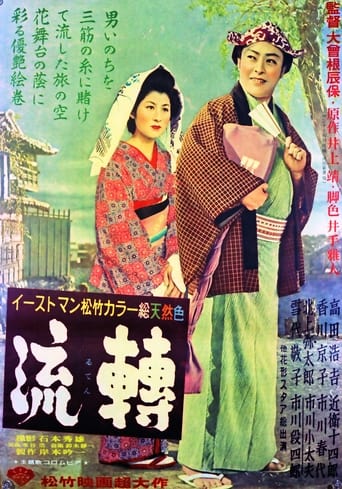 NR
NRIn the eleventh year of the Tenpō era, the Kawarazaki-za theater in Edo buzzed with excitement for a new production of "Kanjinchō" by Naritaya, featuring music by the master Kineya Rokusaburō. However, Naritaya's requests to change some of Rokusaburō's most painstakingly crafted parts of the composition angered his disciple, Shinjirō, leading to a conflict and Shinjirō's abandonment of the shamisen. One day, Shinjirō was captivated by the mysteriously beautiful dance of Oaki, a traveling performer's daughter, who seemed to be channeling her art into a form of revenge.
流轉
1956
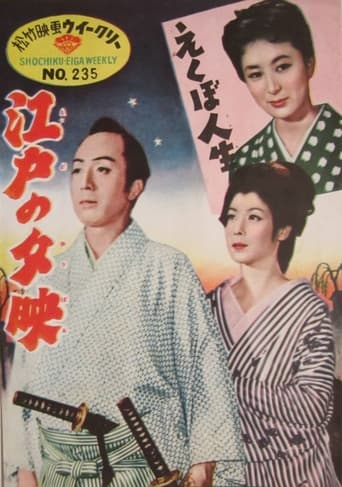 NR
NRIn the fourth year of Keio (1868), defeated retainers sought to restore the Tokugawa shogunate with the help of Enomoto Takeaki's navy. Honda Koroiku was one of them. He discreetly handed a departure note to his fiancée, Otosei, the daughter of Matsudaira Soebe, and left Edo. Otosei's cousin and Koroiku's friend, Domae Daikichi, was once a brave warrior of the shogunate army. However, he had since fallen into a life of debauchery in Yanagibashi and was rumored to be involved with a geisha named Orikki.
Edo no yubae
1954
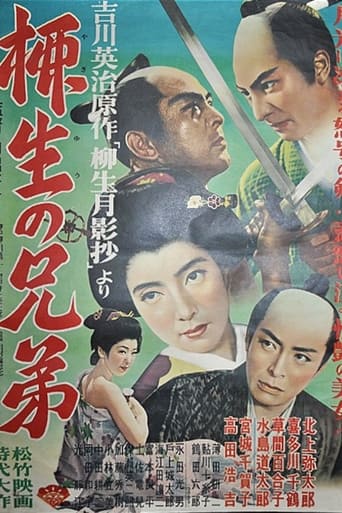 NR
NRDuring the era of the third Tokugawa shogun, Iemitsu, to strengthen the shogunate, many daimyo clans that did not align with the central power were dismantled. Among them, the ronin from the Higo Kato domain harbored a grudge against Yanagisawa Tajima-no-kami, who was at the forefront of these suppressions. Tajima-no-kami had two sons, Jubei and Matashiro. While Jubei was prudent and thoughtful, Matashiro was of a free-spirited nature. However, both were devoted to their father and were exceptionally skilled in the way of the sword.
柳生の兄弟
1952
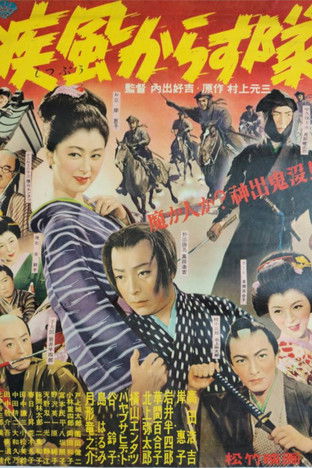 NR
NRDuring the end of the shogunate, there was a group of black-clothed masked samurai known as the "Crow Squad" who resisted the shogunate's oppression, taking down key figures one by one. During a Go game with a visitor named Seki Hikonoshin, the government inspector, Nozoe Minbu, was attacked and killed by what appeared to be the Crow Squad. The witness, Yoshi Goro, was also injured by their blade. Minbu's son, Katsuma, returning from a trip, learned of this and, along with his sister Sakura, vowed revenge.
疾風からす隊
1953
 NR
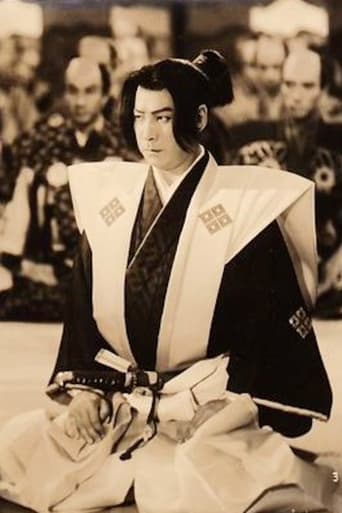
NRAs the reputation of Sasaki Kojiro, who traveled through various provinces with his long sword seeking duels, began to spread, he was summoned by Lord Hosokawa Sansai upon the recommendation of Kokura clan warrior Iwama Kakubei. However, at this time, due to the proposal by Nagaoka Sado, it was agreed that Kojiro would face Miyamoto Musashi in a duel. If he won, Kojiro would officially become the chief instructor, as he desired. Until then, he had a provisional stipend of 500 koku. Learning that Musashi was in Kyoto, Kojiro set off for the city. En route, he was joined by a woman named Shino, who held a grudge against Musashi.
武蔵と小次郎
1952
 NR
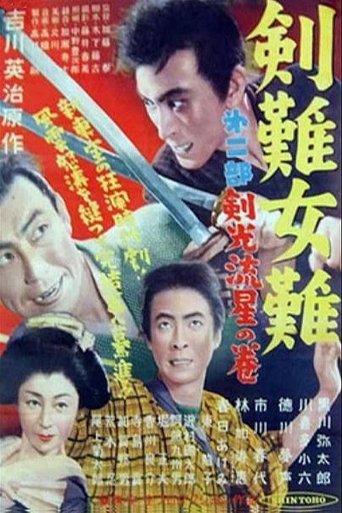
NRfilm directed by Tai Katô
Trouble Over Swords and Women: Sword Light and Shooting Star
1951
1940s · 5 titles
7.1In early post-war Osaka, three women—war widow Fusako, her Korean expat sister Natsuko, and Kumiko, Fusako's sister-in-law—descend into prostitution, all for their individual reasons.
Women of the Night
1948
7.0Stage director Shimamura, who is bringing western theatre to Japan, falls in love with outspoken actress Sumako Matsui, and leaves his family to be with her, while trying to keep his Art Theatre solvent.
The Love of the Actress Sumako
1947
NRThe purple hood reveals the embezzlement of public money by officials. A remake of Masahiro Makino's 1923 film.
Saheiji’s Casebooks: The Purple Hood
1949
7.1Utamaro, a great artist, lives to create portraits of beautiful women, and the Tokyo brothels provide his models. A world of passion swirls around him, as the women vie for lovers, and, occasionally, his art gets him into trouble.
Utamaro and His Five Women
1946
 7.4
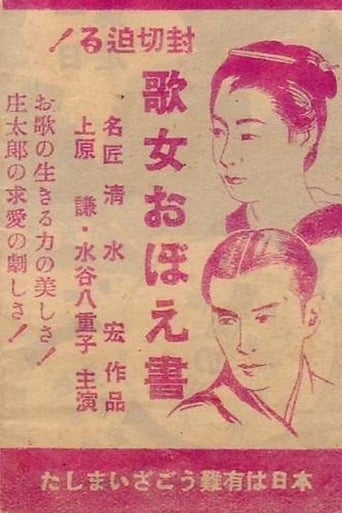
7.4Uta’s mother died when she was six years old; her father she never met. She was forced to adopt a traveller’s life when her grandmother died, and now she is a dancer and part of a family of actors who travel from town to town, setting up street performances. A way of escape from this marginal existence arises when she gets the chance to move to tea merchant Hiramatsu’s place, where she is asked to teach his daughter to dance.
Notes of an Itinerant Performer
1941
1930s · 2 titles
7.8In late 19th-century Tokyo, Kikunosuke Onoue, the adopted son of a legendary actor, himself an actor specializing in female roles, discovers that the praise he receives is only due to his status as his father's heir. Devastated, he turns to Otoku, a servant of his family, for comfort, and they fall in love. Kikunosuke becomes determined to leave home and develop as an actor on his own merits, and Otoku faithfully joins him.
The Story of the Last Chrysanthemum
1939
 NR
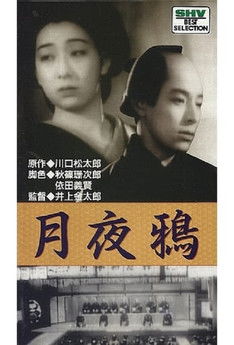
NRThe ambiguous relationship between a woman musician and her young student.
Tsukiyo Karasu
1939