
Directing
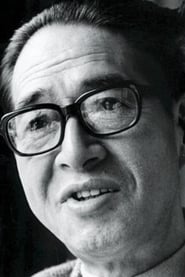
Kōzaburō Yoshimura
Born — Died
1911-09-08 — 2000-11-07
Place of birth
Hiroshima, Japan
Known for
Directing
Credits
40 titles
Kōzaburō Yoshimura (吉村 公三郎, Yoshimura Kozaburo, 9 September 1911 – 7 November 2000) was a Japanese film director.
Known for
 6.2
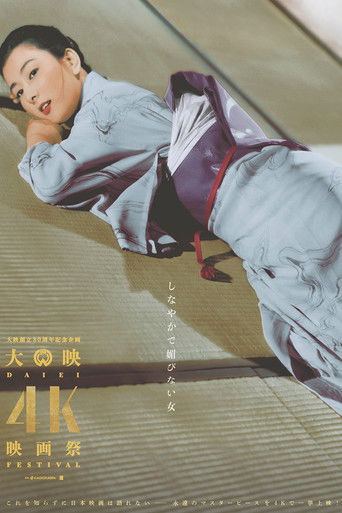
6.2In Kyoto a young kimono maker with traditional ideas gets involved with a married professor.
Undercurrent
1956
 7.5
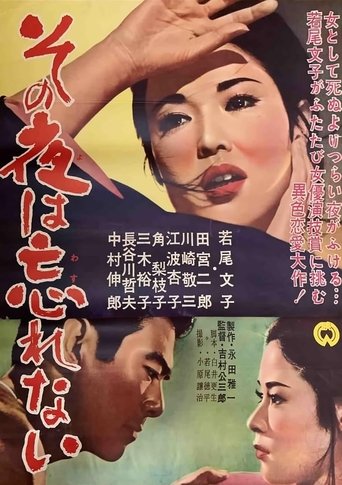
7.5Seventeen years after the atomic bomb was dropped on Hiroshima, a newspaper reporter looks for the bomb's effects, but everyone seems to have forgotten. He meets a woman who was there when it happened but when they fall in love she isn't able to move on.
A Night to Remember
1962
 9.0
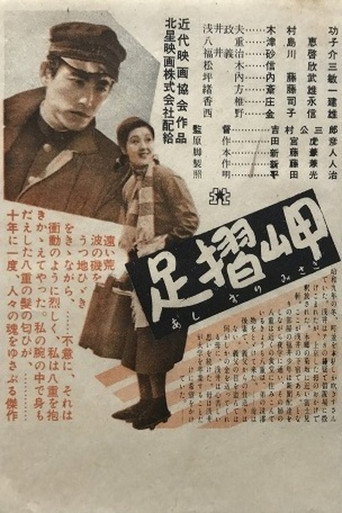
9.0Among Yoshimura’s complex and political works, this episodic film, set in the early 1930s, follows the life of a young left-wing student activist disenchanted by the increasingly hawkish state of Japanese society.
Cape Ashizuri
1954
 7.0
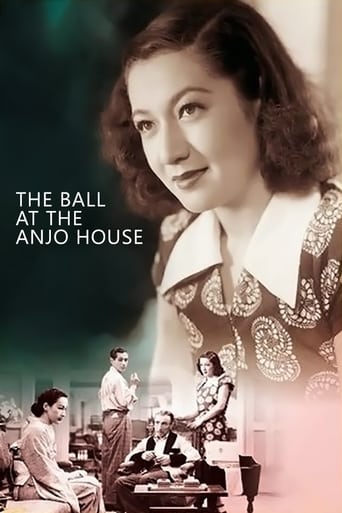
7.0After Japan's defeat in the war, the Anjo family lose their peerage and wealth. Since their mansion is due to pass into the hands of a creditor, the family holds one last ball before leaving.
The Ball at the Anjo House
1947
 6.0
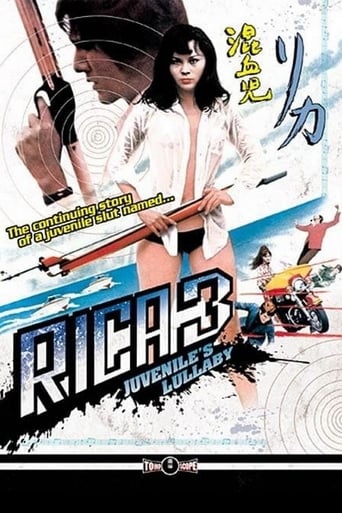
6.0Reform schools are a way of protecting society by ridding it of lawless juvenile delinquents. But who's protecting the juvenile delinquents from corrupt reform schools? Rica could be considered a bit of an expert on reform schools, having spent most of her early life in and out of them. When Rica is dragged back once again, she gets a severe beating and is finally sent off to a mental hospital with the intention of selling her and her pals into a slave trade. A trader takes Rica's friend Jun to a mountain cottage where she's pegged for the lead in his clandestine porno film operation. Once again, it's up to tough-as-nails Rica to bust up this corrupt racket once and for all!
Rika 3: Juvenile's Lullaby
1973
 10.0
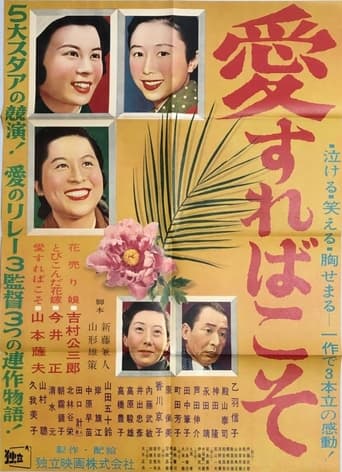
10.0The film consists of three short stories. Tomiko, the heroine of the first story, "The Flower Girl" (dir. Kozaburo Yoshimura), is a little girl who bears the unbearable burden of caring for her family. Tomiko's father has been unable to find work for a long time, and her older sister is terminally ill—it is unlikely that she will ever recover. To feed her family, Tomiko runs around the city from morning until late at night selling flowers... The second novella (dir. Tadashi Imai) also depicts the lives of the poor. An unfamiliar girl brings young Kavano a letter from his mother. It turns out that the girl's name is Kuniko, she is very hardworking, but her family is dying of hunger. Therefore, her mother decided to send Kuniko to her son so that he would marry her. The short story is called "The Unexpected Bride." The third short story, which gave the film its title, is particularly interesting: "When You Love" (dir. Satsuo Yamamoto). It shows the family of a young peace activist.
If Indeed One Loves
1955
Behind the camera
6.2In Kyoto a young kimono maker with traditional ideas gets involved with a married professor.
Undercurrent
1956
7.5Seventeen years after the atomic bomb was dropped on Hiroshima, a newspaper reporter looks for the bomb's effects, but everyone seems to have forgotten. He meets a woman who was there when it happened but when they fall in love she isn't able to move on.
A Night to Remember
1962
9.0Among Yoshimura’s complex and political works, this episodic film, set in the early 1930s, follows the life of a young left-wing student activist disenchanted by the increasingly hawkish state of Japanese society.
Cape Ashizuri
1954
7.0After Japan's defeat in the war, the Anjo family lose their peerage and wealth. Since their mansion is due to pass into the hands of a creditor, the family holds one last ball before leaving.
The Ball at the Anjo House
1947
6.0Reform schools are a way of protecting society by ridding it of lawless juvenile delinquents. But who's protecting the juvenile delinquents from corrupt reform schools? Rica could be considered a bit of an expert on reform schools, having spent most of her early life in and out of them. When Rica is dragged back once again, she gets a severe beating and is finally sent off to a mental hospital with the intention of selling her and her pals into a slave trade. A trader takes Rica's friend Jun to a mountain cottage where she's pegged for the lead in his clandestine porno film operation. Once again, it's up to tough-as-nails Rica to bust up this corrupt racket once and for all!
Rika 3: Juvenile's Lullaby
1973
10.0The film consists of three short stories. Tomiko, the heroine of the first story, "The Flower Girl" (dir. Kozaburo Yoshimura), is a little girl who bears the unbearable burden of caring for her family. Tomiko's father has been unable to find work for a long time, and her older sister is terminally ill—it is unlikely that she will ever recover. To feed her family, Tomiko runs around the city from morning until late at night selling flowers... The second novella (dir. Tadashi Imai) also depicts the lives of the poor. An unfamiliar girl brings young Kavano a letter from his mother. It turns out that the girl's name is Kuniko, she is very hardworking, but her family is dying of hunger. Therefore, her mother decided to send Kuniko to her son so that he would marry her. The short story is called "The Unexpected Bride." The third short story, which gave the film its title, is particularly interesting: "When You Love" (dir. Satsuo Yamamoto). It shows the family of a young peace activist.
If Indeed One Loves
1955
 6.4
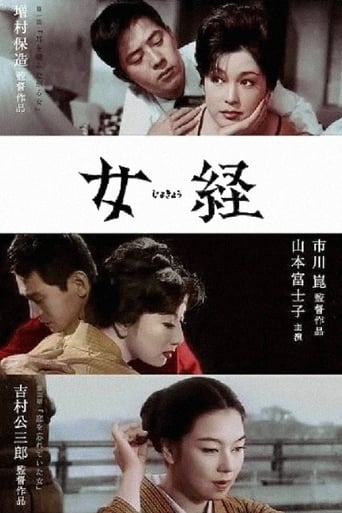
6.4The first story concerns an attractive young woman who works in a Tokyo nightclub. Her plan for a solid financial future has a double whammy. In the second story, a beautiful young woman is employed by an unscrupulous real estate agent to convince male clients to invest in worthless property. The last story is about a widowed geisha who has no real financial worries and who falls in love with a forger.
A Woman's Testament
1960
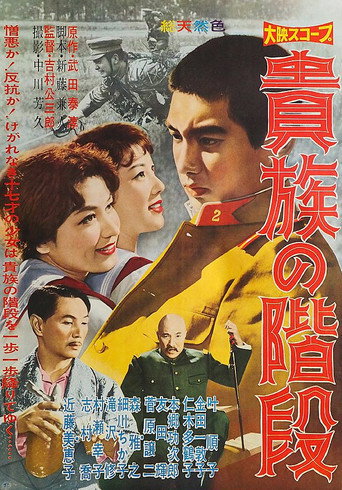 NR
NRA romantic tale depicting the beautiful and tragic love between a young man and woman from aristocratic families who are caught in the crossfire of the February 26 Incident.
The Aristocrat's Stairs
1959
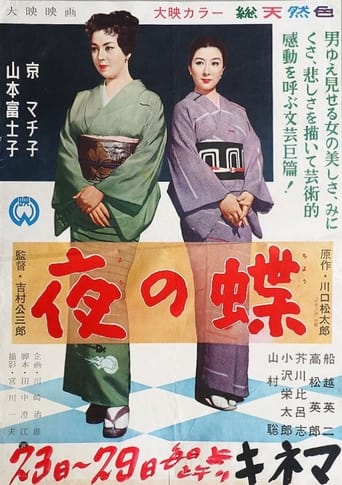 6.5
6.5A traditional bar mistress in Kyoto clashes with her Tokyo rival.
Night Butterflies
1957
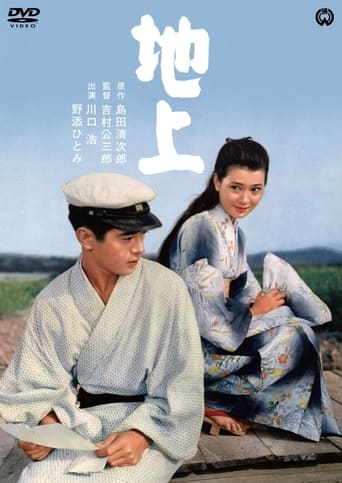 7.0
7.0Ichiro’s family used to be a large landowner, but now he is living in poverty with his mother. His mother works hard to get her son through school. Under such circumstances, Ichiro meets Wakako, the daughter of a wealthy man, and they fall in love with each other, but they are opposed by those around them because of their different social status.
On This Earth
1957
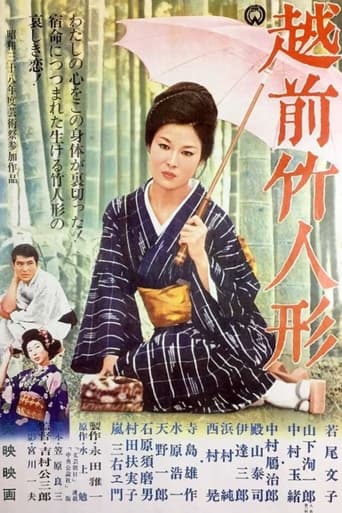 7.8
7.8Kisuke, a young bamboo worker marries Tomoe, a courtesan who was once involved with Kisuke's late father.
Bamboo Doll of Echizen
1963
 6.0
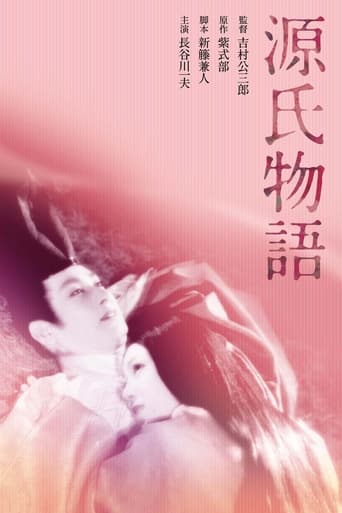
6.0Genji, the illegitimate offspring of a Japanese potentate, goes by the philosophy of "love 'em and leave 'em" as a matter of course. Only when his heart is broken by Awaji does Genji realizes how much pain he himself has caused.
The Tale of Genji
1951
 NR
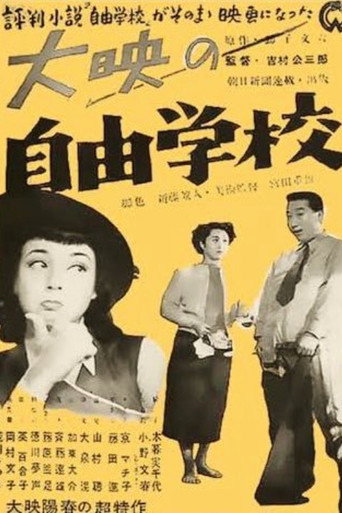
NRReleased on the same date as Shochiku's version.
Freedom School
1951
 NR
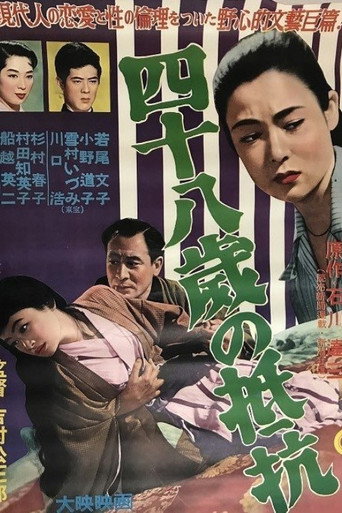
NRA literary masterpiece that sharply critiques the ethics of modern romance, featuring a 48-year-old father who burns through the last of his youth with a teenage girl, and a daughter in her twenties who falls in love with a younger man and champions sexual liberation.
Yonjū-hassai no teikō
1956
 7.0
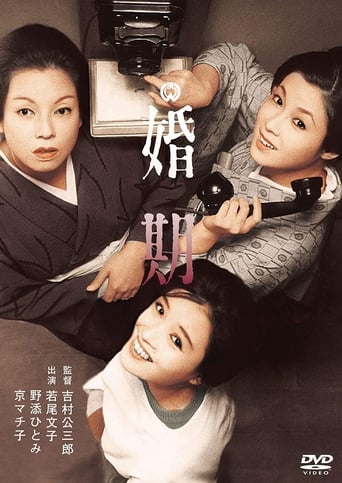
7.0The three Matsunami sisters navigate adulthood and the complex social pressures of finding a husband while living under their traditional father’s roof. As they balance their personal desires against the family's obsession with status, their search for "marriageable age" stability is complicated by secret affairs and the cold reality of arranged matches. They must ultimately decide whether to conform to the rigid expectations of their upper-class upbringing or break away to pursue their own independence.
Marriageable Age
1961
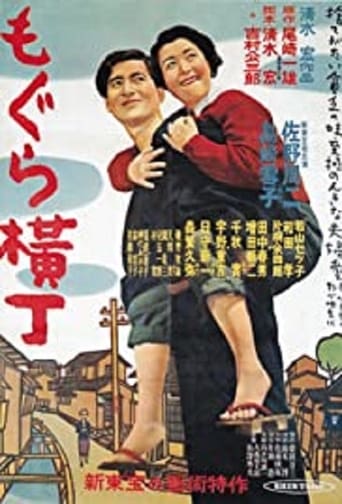 8.0
8.033-year-old poor writer Ogata was able to endure his miserable life cheerfully thanks to Yoshie, a 19-year-old innocent young wife. After graduating from a girls' school in Hokuriku, she immediately moved to Tokyo to meet and marry Ogata. After neatly writing Ogata's manuscript, he would buy dorayaki as a gratuity and devour it.
Mole Alley
1953
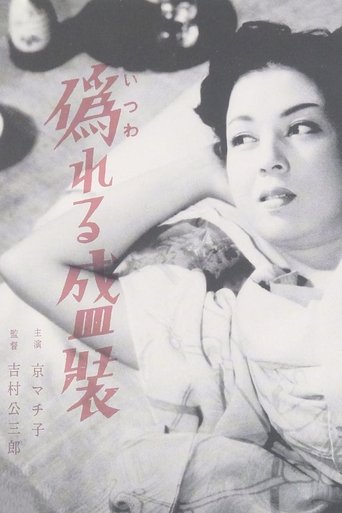 7.0
7.0The story of two sisters in post-war Japan. One is a geisha and the other works for the tourist board.
Clothes of Deception
1951
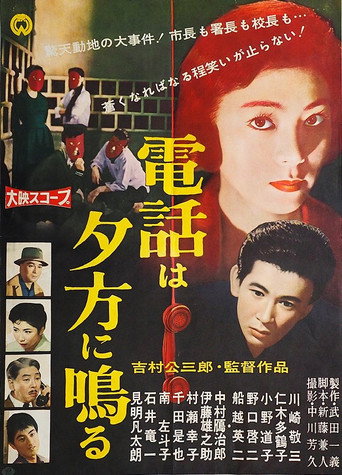 NR
NRIn a peaceful town near the Seto Inland Sea, a threatening letter arrives along with the ringing of a telephone... A thriller-comedy that sets this stagnant town ablaze.
The Telephone Rings in the Evening
1959
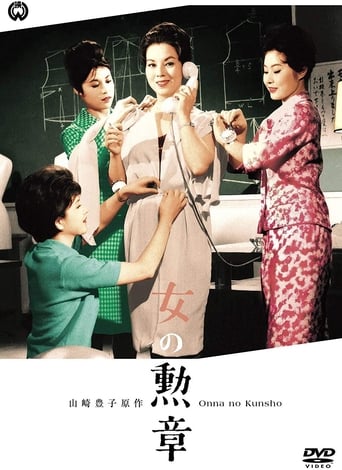 6.5
6.5Shikiko Oba is nimble with her fingers and teaches dressmaking and designing. Among her pupils are Rinko, Katsumi and Tomie. Ginshiro, who is as shrewd as the shrewdest of the older generation of dyed-in-the-wool Osaka businessmen, steps into picture and Shikiko soon feels that he is indispensable to her. But the advent of a man in their midst breaks up the harmony that has existed among the four women, as gradually he forces himself on them with promises of love.
A Design for Dying
1961
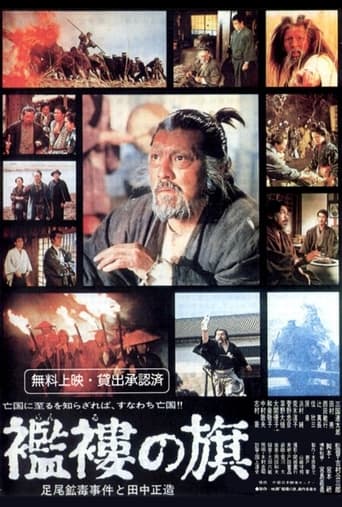 10.0
10.0Film about the Ashio Copper Mine Incident and Shozo Tanaka.
The Tattered Banner
1974
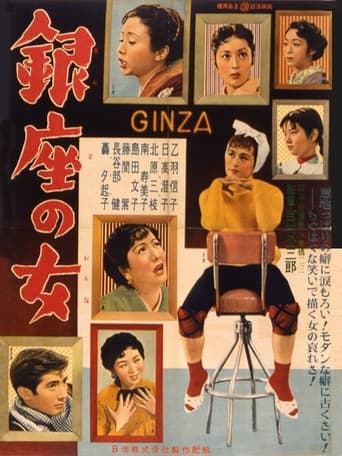 9.0
9.0At Shizumoto, a geisha shop not far from Ginza, a group of geisha are going about their day, putting up a modest resistance to the tragedies of life. The proprietress, Ikuyo, is a ridiculously good-natured woman who gives money to a poor but brilliant young man, Eisaku Yanoguchi, to attend college on the condition that he will take care of her in the future.
Women of Ginza
1955
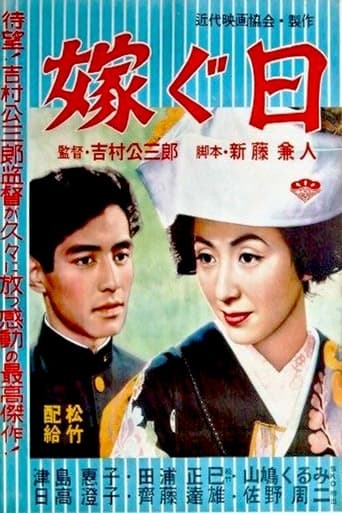 7.0
7.0Shinsaku was once a renowned playwright, has now been left behind by journalism and is living a lethargic life in Oiso. His family is concerned with Shinsaku regaining his old vigor as a writer and Sakie, his daughter, finding a suitable match, while the family is struggling with the losses of war.
Wedding Day
1956
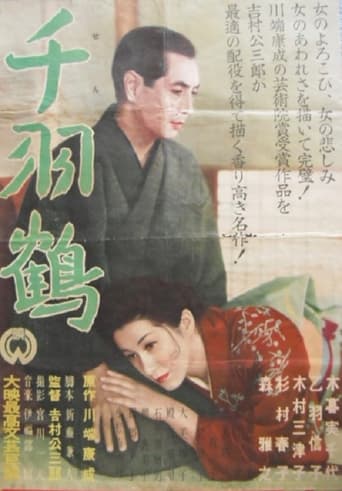 7.0
7.0Kazuo Miyagawa’s prizewinning black-and-white cinematography draws out the moral shadings of Nobel laureate Yasunari Kawabata’s 1952 novel Thousand Cranes, a quietly devastating story of a young man, orphaned during the war, who stumbles into a passionate yet tragic relationship with his late father’s mistress and her daughter.
Reminiscence
1953
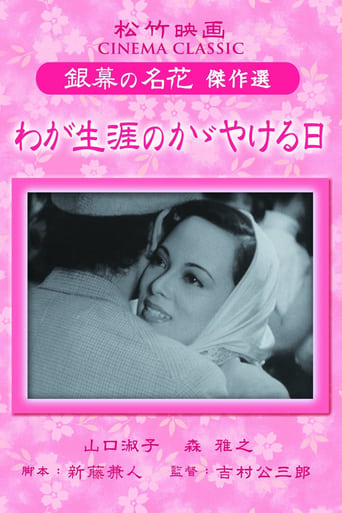 9.0
9.0Life and love in corrupt postwar Tokyo, as a young couple struggles against both the law and the mob.
The Most Beautiful Day of My Life
1948
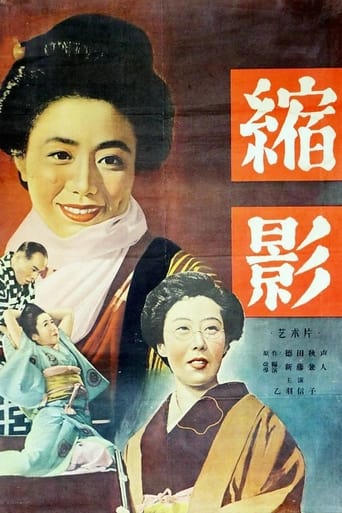 7.8
7.8Ginko, a poor cobbler's daughter, becomes a geisha to support her family. She passes from one geisha house to the next, trying to find love and hope in the process. No matter how hard she tries, she just can't escape her sad fate.
Miniature
1953
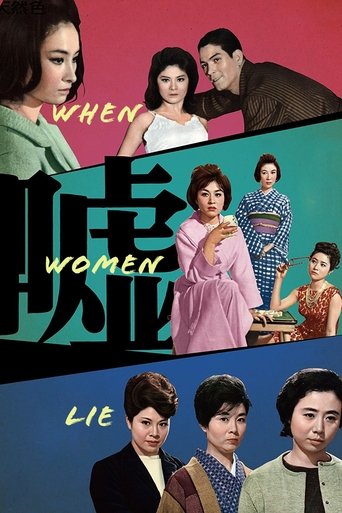 8.0
8.0Three stories about the relationship between men and women: "Playgirl" (Masumura/Shirasaka), "Company No. 2" (Yoshimura/Kasahara), and "San Nyotai" (Kinugasa/Shindô).
When Women Lie
1963
 6.0
6.0A poor peasant, after years of scraping, becomes a rich and powerful Osaka merchant. Mizoguchi Kenji's final project; he died before completing it and directing duties turned over to Yoshimura Kozaburo.
An Osaka Story
1957
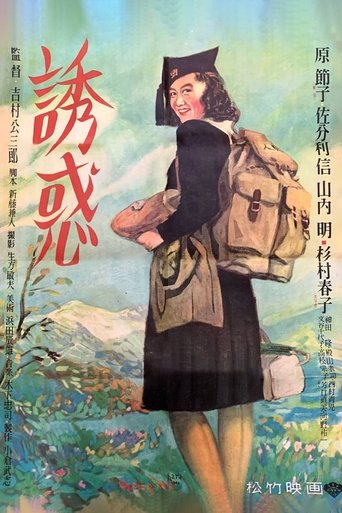 8.0
8.0A young lawyer falls in love with the daughter of his former professor, whom he's hired to tutor his children.
Temptation
1948
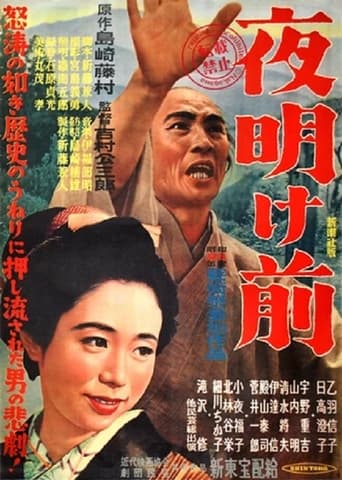 10.0
10.0No synopsis available yet.
Before the Dawn
1953
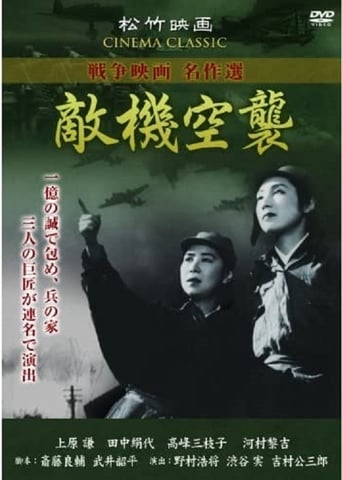 NR
NRJapanese war movie.
Air Raid of the Enemy Plane
1943
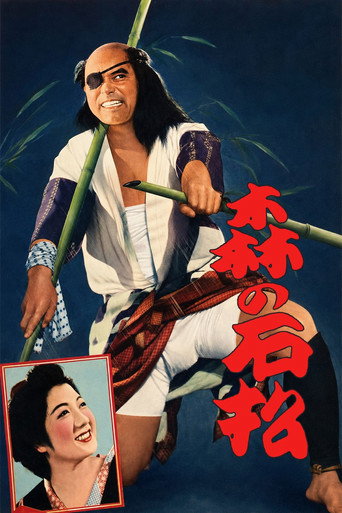 7.0
7.0The tale of a feudal swordsman who cynically takes no responsibility for anything, relegating it to others, and then taking the credit.
Ishimatsu of the Forest
1949
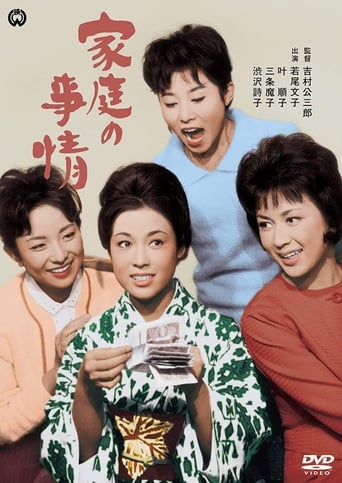 10.0
10.0Heitaro, who had served his firm loyally for 30 years, reaches the retirement age. He has four unmarried daughters and decides to split his retirement allowance he has received from his firm into 500,000 yen for each daughter as a wedding dowry. He considers them all old enough to handle the money, and gives them a free hand to use it as they wish.
Their Legacy
1962
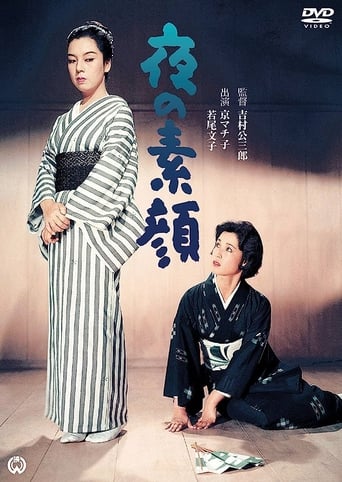 6.5
6.5A biting portrait of the world of classical Japanese dance: an ambitious young woman (Wakao Ayako) shoves aside her mentor (Kyo Machiko) on her way to the top.
The Ladder of Success
1958
 8.0
8.0Set in post-WWII Osaka, a young woman trapped working in a sordid lodging house run by her abusive stepfather falls for a visiting criminal in hopes of escaping the slums.
Violence
1952
 NR
NRA dynamic woman who aspires to be a writer, living a wild life in constant search of freedom while indulging in lust with four men.
Sweet Secret
1971
The daughter of a Prime Minister turns down the proposal of a young teacher when she falls for the wrong man. Despite the continual degradation by the man she loves, she is unwilling to leave her awful relationship.
A Fallen Woman
1967
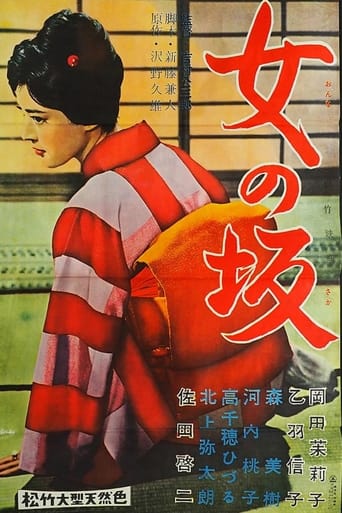 9.0
9.0Tradition and modernity clash when a young woman inherits a sweet-making firm in Kyoto.
A Woman’s Uphill Slope
1960
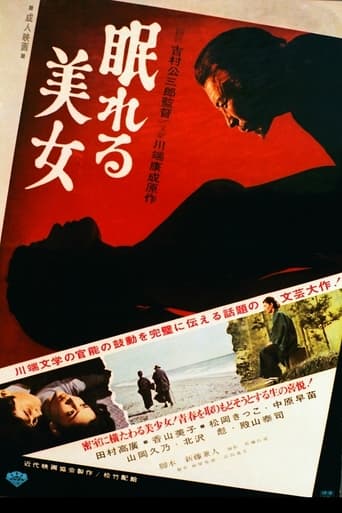 8.0
8.0About an establishment where old men pay to sleep besides young girls that had been narcotized and happen to be naked, the sleeping beauties. The old men are expected to take sleeping pills and share the bed for a whole night with a girl without attempting anything of bad taste like putting a finger inside their mouths.
The House of the Sleeping Virgins
1968
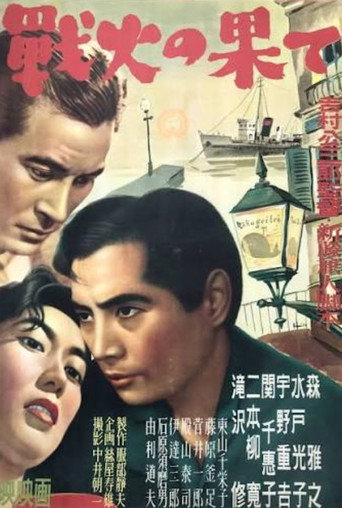 NR
NRA man driven mad amid the ravages of war, a woman who never found true love, and an innocent young man—all drawn once again to the military port now returned to peace.
The End of the War
1950
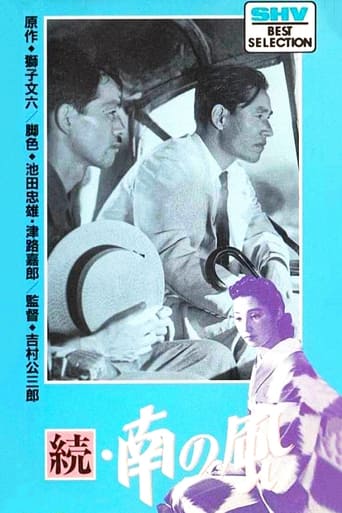 NR
NRIn this comic sequel to Yoshimura Kozaburo's original, Minami no Kaze, ex-baron (Saburi Shin) is in Singapore where he meets an old friend who proposes a scam to make some quick cash. It involved inventing the story that Saigo Takamori didn't actually die in the Satsuma Rebellion but escaped to Southeast Asia to start a new religion and in the process fathered a son who is now the founder. But when they bring the supposed heir and his aide to Japan, chaos ensues...
South Wind 2
1942