
Known for
Jenny Smith is a young American journalist searching for her long-lost grandfather in the mountains of Bolivia. When she finds her grandfather's partner and fellow gold-prospector, Rodrigo Diaz, he gives her answers that she didn't expect. Preserved by the Academy Film Archive in 2002.
Mina Alaska
1968
 7.0
An alligator hunter falls in love with a teacher who has arrived from the west. Rurrenabaque, the town where the story takes place, is at a crossroads between collaborating in the installation of a drinking water system or continuing the tradition of "drinking water from the river." Ruiz uses a historical event to tell a love story (combining his skills as a documentary filmmaker).
The Source
1959
A look at the culture of the totora islands on Lake Titicaca and the last 25 speakers of the now extinct indigenous Uru language.
Los Urus
1951
A documentary about the malaria control program in Ecuador.
Los que nunca fueron
1954
 5.6
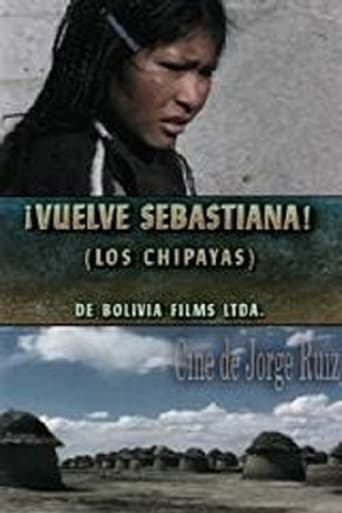
The story of a poor girl who leaves her starving family and sheep for a more prosperous village. Her grandfather finds her and tries to convince her to return to her home.
Come Back, Sebastiana
1953
Documentary about the construction of the Cochbamba-Santa Cruz road and the sense of hope for economic diversification in the country. The film's narration overemphasizes the help given the United States in road construction.
Un Poquito de Diversificación Economica
1955
Behind the camera
Jenny Smith is a young American journalist searching for her long-lost grandfather in the mountains of Bolivia. When she finds her grandfather's partner and fellow gold-prospector, Rodrigo Diaz, he gives her answers that she didn't expect. Preserved by the Academy Film Archive in 2002.
Mina Alaska
1968
7.0An alligator hunter falls in love with a teacher who has arrived from the west. Rurrenabaque, the town where the story takes place, is at a crossroads between collaborating in the installation of a drinking water system or continuing the tradition of "drinking water from the river." Ruiz uses a historical event to tell a love story (combining his skills as a documentary filmmaker).
The Source
1959
A look at the culture of the totora islands on Lake Titicaca and the last 25 speakers of the now extinct indigenous Uru language.
Los Urus
1951
A documentary about the malaria control program in Ecuador.
Los que nunca fueron
1954
5.6The story of a poor girl who leaves her starving family and sheep for a more prosperous village. Her grandfather finds her and tries to convince her to return to her home.
Come Back, Sebastiana
1953
Documentary about the construction of the Cochbamba-Santa Cruz road and the sense of hope for economic diversification in the country. The film's narration overemphasizes the help given the United States in road construction.
Un Poquito de Diversificación Economica
1955
A documentary about the Second Festival of Music and Native Dances in La Paz.
Voces de la Tierra
1957
A documentary about agrarian reform in Guatemala.
Los Ximul
1960
While Doña Ramona tries to continue to sell oil from a pond she discovered, as fuel for lamps, her son goes to work for the national oil company.
Los Primeros
1960
Made on the tenth anniversary of the Bolivian National Revolution, this film focuses on the perspective of the peasant, the factory worker, and the miner and their debates regarding different issues within the country.
Las Montañas No Cambian
1962
Documentary about Bolivia's 100 years of being landlocked after the war with Chile.
El Clamor del Silencio
1979
The first Latin American documentary focused on Indigenous peoples, filmed on the Island of the Sun in Lake Titicaca.
Donde nacio un imperio
1949
A documentary on the preservation of the arts and culture of Bolivia.
La Gran Herencia
1973
Documentary made for a religious organization in Potosí.
Cumbres de Fe
1951
A documentary about the enthusiastic welcome Jaime Laredo received from his homeland and family after winning an award as the world's best violinist. The award had been presented to him by the Queen of Belgium.
Laredo de Bolivia
1956