
Acting
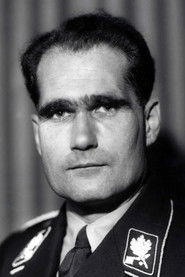
Rudolf Hess
Born — Died
1894-04-25 — 1987-08-17
Place of birth
Alexandria, Egypt
Known for
Acting
Credits
32 titles
Rudolf Walter Richard Hess (26 April 1894 – 17 August 1987) was a German politician and a leading member of the Nazi Party in Nazi Germany. Appointed Deputy Führer to Adolf Hitler in 1933, Hess held that position until 1941, when he flew solo to Scotland in an attempt to negotiate peace with the United Kingdom during World War II. He was taken prisoner and eventually convicted of crimes against peace. He was still serving his life sentence at the time of his suicide in 1987. Hess enlisted as an infantryman in the Imperial German Army at the outbreak of World War I. He was wounded several times during the war and was awarded the Iron Cross, 2nd Class, in 1915. Shortly before the war ended, H…
Known for
 7.4
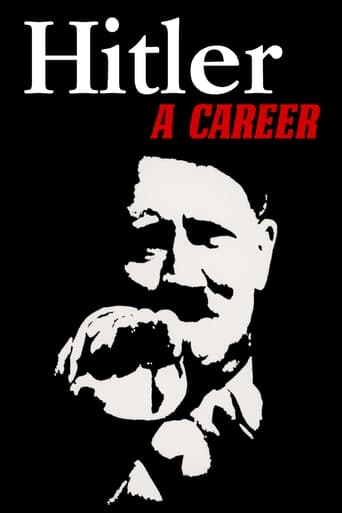
7.4A keen chronicle of the unlikely rise to power of Adolf Hitler (1889-1945) and a dissection of the Third Reich (1933-1945), but also an analysis of mass psychology and how the desperate crowd can be deceived and shepherded to the slaughterhouse.
Hitler: A Career
1977
 7.6
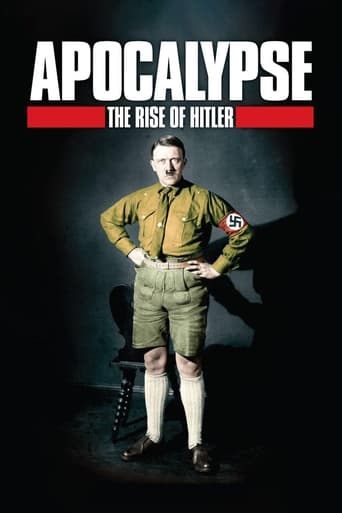
7.6Adolf Hitler (1889-1945) was a mediocre who rose to power because of the blindness and ignorance of the Germans, who believed he was nothing more than an eccentric dreamer. But when the crisis of 1929 devastated the economy, the population, fearful of chaos and communism, voted for him. And no one defended democracy. As the dictatorship extended its relentless shadow, the leader claimed peace, but was preparing the Apocalypse.
Apocalypse: The Rise of Hitler
2011
 7.3
7.3No synopsis available yet.
Crusade in Europe
1949
 6.9
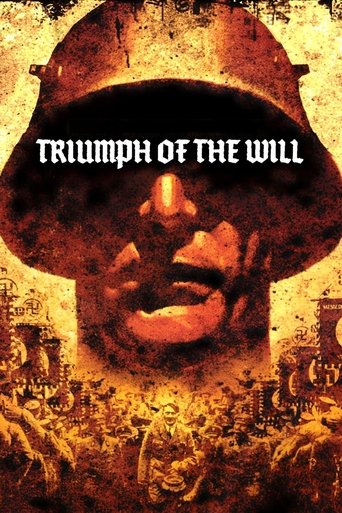
6.9A showcase of German chancellor and Nazi Party leader Adolf Hitler at the 1934 Nuremberg Rally.
Triumph of the Will
1935
 6.2
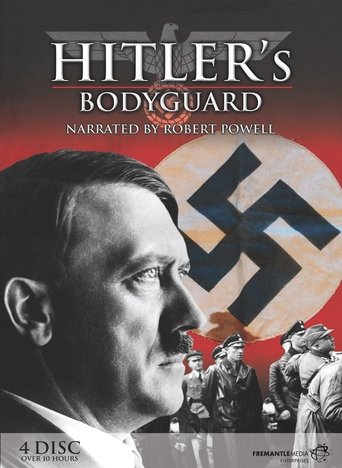
6.2Adolf Hitler caused the deaths of fifty million people. An entire nation followed him to ruin. Over a tumultuous 12 years Adolf Hitler went from being a minor rabble-rousing politician, to supreme leader of Nazi Germany. He was hated by those he persecuted, and even by some of his own commanders - yet in twenty-five years no one managed to kill him. This program shows how Hitler's bodyguards helped him cheat death on many occasions. They expanded from a handful of thugs recruited to protect political meetings and fight opponents on the streets, to many thousands - including some of the most fearsome secret police and paramilitary forces the world has ever known.
Hitler's bodyguard
2010
 6.2
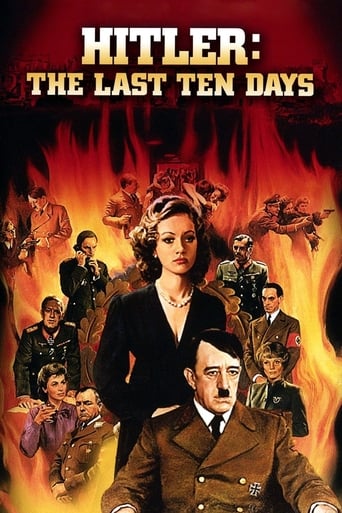
6.2Hitler: The Last Ten Days takes us into the depths of der Furher’s Berlin bunker during his final days. Based on the book by Gerhard Boldt, it provides a bleak look at the goings-on within, and without.
Hitler: The Last Ten Days
1973
Film credits
2020s · 5 titles
 6.0
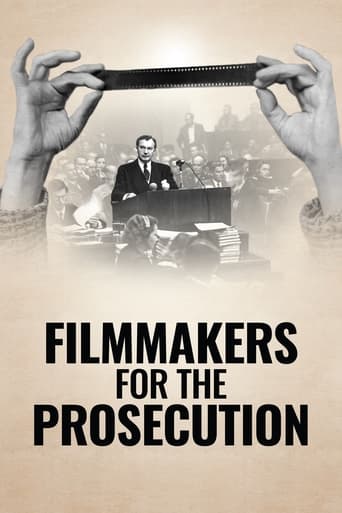
6.0In 1945, two young American soldiers, brothers Budd and Stuart Schulberg, are commissioned to collect filmed and recorded evidence of the horrors committed by the infamous Third Reich in order to prove Nazi war crimes during the Nuremberg trials (1945-46). The story of the making of Nuremberg: Its Lesson for Today, a paramount historic documentary, released in 1948.
Filmmakers for the Prosecution
2023
 7.2
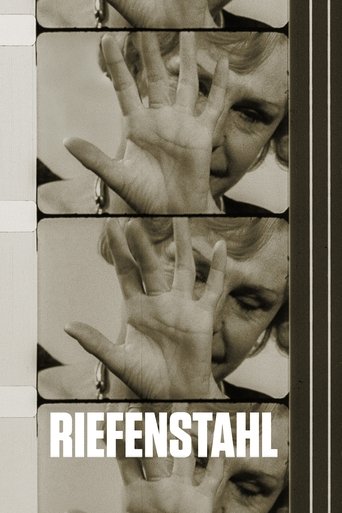
7.2Explores Leni Riefenstahl's artistic legacy and her complex ties to the Nazi regime, juxtaposing her self-portrayal with evidence suggesting awareness of the regime's atrocities.
Riefenstahl
2024
 NR
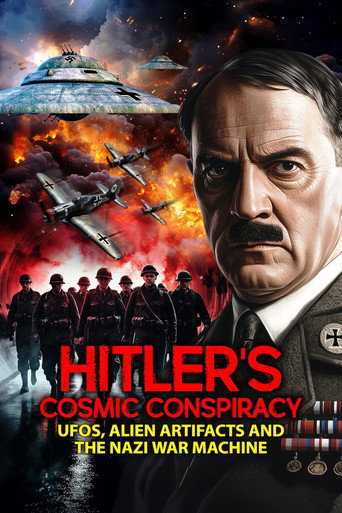
NRExplore the mysterious legend of the Thule society and the mystical "Vril" energy that the Nazi's claimed aided them in their pursuit for world power.
Hitler's Cosmic Conspiracy: UFOs, Alien Artifacts and the Nazi War Machine
2025
 NR
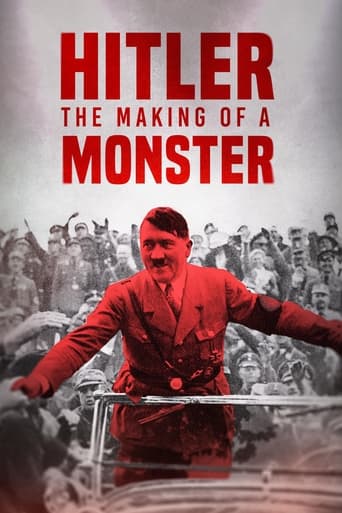
NRAdolf Hitler. The most notorious villain of the 20th century and architect of history's darkest period. From his humble upbringing in Austria to leading the Nazi Party, Hitler's life saw a reign of terror descend over Europe like never before.
Hitler: The Making of a Monster
2023
 6.5
6.5The fascinating story of the rise to power of dictator Benito Mussolini (1883-1945) in Italy in 1922 and how fascism marked the fate of the entire world in the dark years to come.
The March on Rome
2022
2010s · 2 titles
 6.0
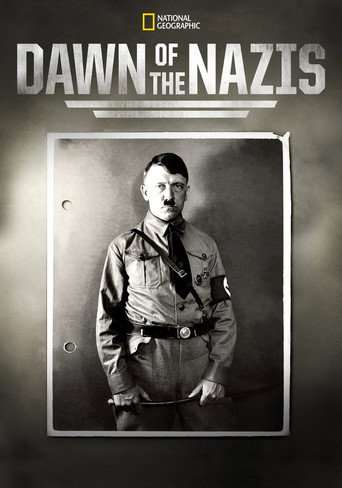
6.0How Germany was when its people entered the nightmare of World War II? Despair and fear lead a hungry population to follow the chilling call of just one man to world domination. A real-life horror story, an ominous tale of violence and deception, which takes place from 1919 to 1934. (Entirely made up of restored, colorized archival footage.)
Dawn of the Nazis
2017
 4.3
4.3The film begins by showing images of the Holocaust, and stating that Adolf Hitler sanctioned the killing of 11 million people. This is followed by Comfort interviewing people about Hitler. Comfort proposes a hypothetical situation to his interviewees, asking if they would kill Hitler if they had the opportunity at that time in history.
180
2011
2000s · 4 titles
 8.0
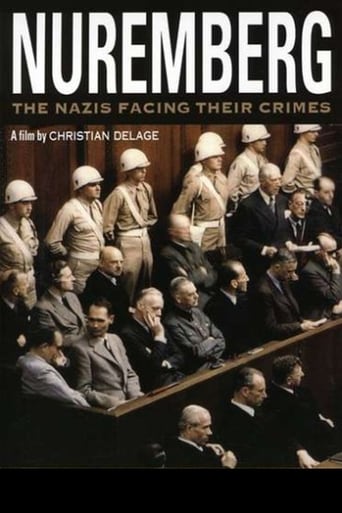
8.0The documentary of the Nuremberg War Trials of 21 Nazi dignitaries held after World War II.
Nuremberg: The Nazis Facing their Crimes
2006
 5.9
5.9The film focuses on gay men who align themselves with hard-core right wing views, skinheads and Nazis. Rosa von Praunheim stated of the subjects featured in the documentary, “Some may be shocked that I do not take a stand in my film and do not portray gay neo-Nazis as monsters, but as people living their lives in dramatic contradiction.”
Men, Heroes and Gay Nazis
2005
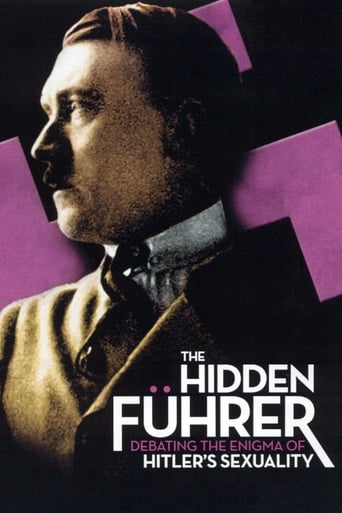 6.5
6.5In September 2001, respected German historian Lothar Machtan dropped a bombshell on the world of Hitler studies: Hitler was secretly homosexual. His highly acclaimed and explosive book "The Hidden Hitler" ignited a storm of controversy. With information from the bestselling book, award-winning filmmakers Fenton Bailey, Randy Barbato and Gabriel Rotello explore areas of the Führer's private life.
The Hidden Führer: Debating the Enigma of Hitler's Sexuality
2004
No synopsis available yet.
Hitlers Hantlangare - Hess
2004
1990s · 2 titles
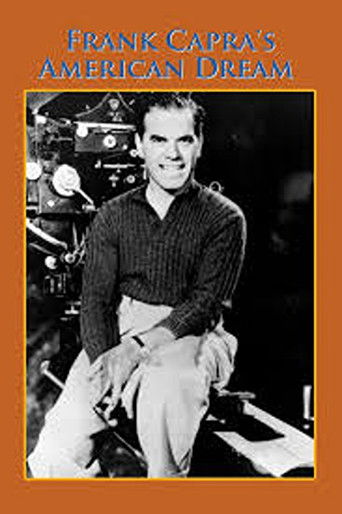 6.3
6.3A documentary looking at the life and career of film director Frank Capra. Hosted by Ron Howard.
Frank Capra's American Dream
1997
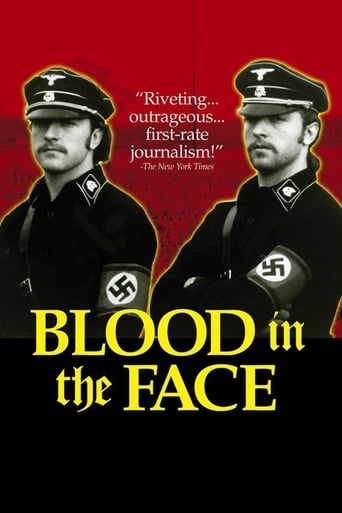 6.4
6.4An expose of the beliefs, history, and personalities of American White Supremacist groups, including neo-Nazis, fascists, the Ku Klux Klan, and the Aryan Nation. Footage includes interviews, as well as the supremacist's own promotional material. Subject discussed include the loss of America to the "colored" races, the imminent racial bloodbath, interracial breeding, prejudice, the Holocaust, Jesus, Christianity, Jews, the Bible, and illegal immigrants who enter the country with nuclear bombs strapped to their backs.
Blood in the Face
1991
1970s · 2 titles
7.4A keen chronicle of the unlikely rise to power of Adolf Hitler (1889-1945) and a dissection of the Third Reich (1933-1945), but also an analysis of mass psychology and how the desperate crowd can be deceived and shepherded to the slaughterhouse.
Hitler: A Career
1977
6.2Hitler: The Last Ten Days takes us into the depths of der Furher’s Berlin bunker during his final days. Based on the book by Gerhard Boldt, it provides a bleak look at the goings-on within, and without.
Hitler: The Last Ten Days
1973
1960s · 2 titles
 7.5
7.5Romm pulls out all the stops in its selection of documentary material to draw the viewer not only into absolute horror about fascism and nazism in the 1920s–1940s Europe, but also to a firm conviction that nothing of the sort should be allowed to happen again anywhere in the world.
Triumph Over Violence
1965
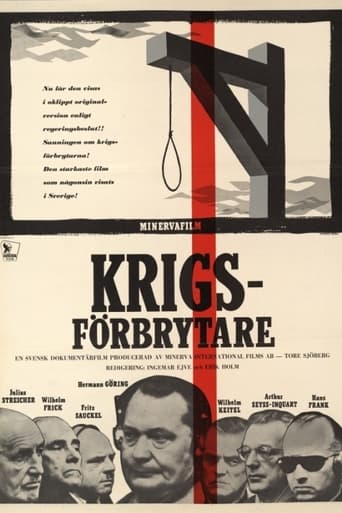 10.0
10.0Documents the major trial of the Nazi war criminals and the violent acts that they were accused of.
Secrets of the Nazi Criminals
1963

1940s · 3 titles
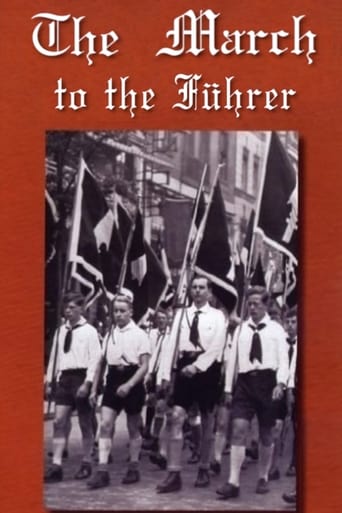 7.0
7.0During the colorful ceremonies of the Nuremberg rallies, Hitler Youth parade before their Fuehrer and are addressed by Nazi youth leader Baldur von Schirach, Rudolf Hess, and Hitler himself.
The March to the Führer
1940
 6.8
6.8How, in November 1945, after the end of the World War II and the fall of the Third Reich, the international prosecutors participating in the first Nuremberg trial —formally, the International Military Tribunal— built their case against the top Nazi war criminals using the films and records produced by the own regime, obsessed with documenting everything in its long path of infamy and crime.
Nuremberg: Its Lesson for Today
1948
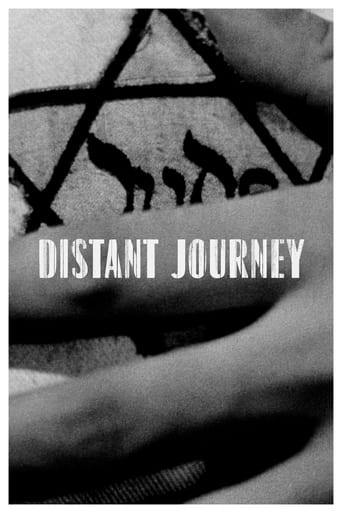 6.9
6.9Prague, during World War II. Hana Kaufmann, a Jewish ophthalmologist, marries Dr. Antonín Bureš, a Christian man. When her family is sent to the Theresienstadt concentration camp, their romance turns into a struggle for survival.
Distant Journey
1949
1930s · 5 titles
6.9A showcase of German chancellor and Nazi Party leader Adolf Hitler at the 1934 Nuremberg Rally.
Triumph of the Will
1935
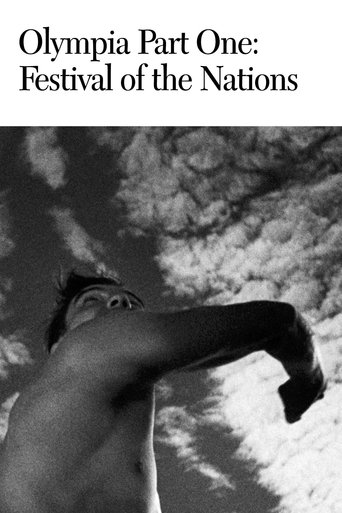 6.9
6.9Starting with a long and lyrical overture, evoking the origins of the Olympic Games in ancient Greece, Riefenstahl covers twenty-one athletic events in the first half of this two-part love letter to the human body and spirit, culminating with the marathon, where Jesse Owens became the first track and field athlete to win four gold medals in a single Olympics.
Olympia Part One: Festival of the Nations
1938
 5.4
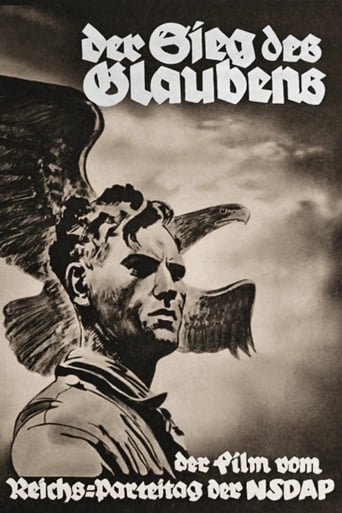
5.4Follows the Fifth Nazi Party Rally (Nuremberg, 30 August–3 September 1933) and shows the then close relationship between Adolf Hitler and Ernest Rõhm.
The Victory of Faith
1933
 8.0
8.0Propaganda film about Hitler's third flight over Germany on the occasion of the elections 1932. It shows the journey with rallies in over 20 German cities.
Hitler's Flight Over Germany
1932
 7.0
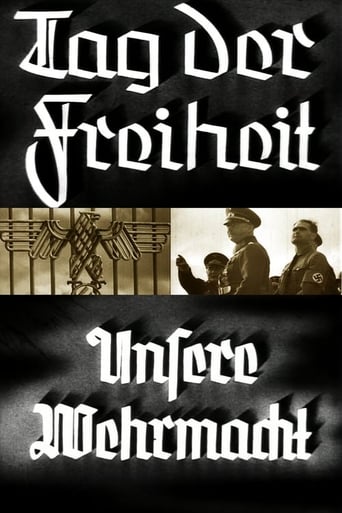
7.0The armed forces of the Third Reich, particularly the German army, are presented as an efficient system of bodies and machines at the seventh Nazi Party Rally that occurred in Nuremberg in 1935.
Day of Freedom
1935
Series credits
7.6Adolf Hitler (1889-1945) was a mediocre who rose to power because of the blindness and ignorance of the Germans, who believed he was nothing more than an eccentric dreamer. But when the crisis of 1929 devastated the economy, the population, fearful of chaos and communism, voted for him. And no one defended democracy. As the dictatorship extended its relentless shadow, the leader claimed peace, but was preparing the Apocalypse.
Apocalypse: The Rise of Hitler
2011
7.3No synopsis available yet.
Crusade in Europe
1949
6.2Adolf Hitler caused the deaths of fifty million people. An entire nation followed him to ruin. Over a tumultuous 12 years Adolf Hitler went from being a minor rabble-rousing politician, to supreme leader of Nazi Germany. He was hated by those he persecuted, and even by some of his own commanders - yet in twenty-five years no one managed to kill him. This program shows how Hitler's bodyguards helped him cheat death on many occasions. They expanded from a handful of thugs recruited to protect political meetings and fight opponents on the streets, to many thousands - including some of the most fearsome secret police and paramilitary forces the world has ever known.
Hitler's bodyguard
2010
 NR
NRNo synopsis available yet.
Загадки века с Сергеем Медведевым
2016
 2.0
2.0No synopsis available yet.
Europa: The Last Battle
2017