
Directing
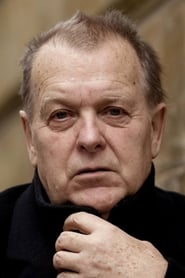
Jan Němec
Born — Died
1936-07-12 — 2016-03-18
Place of birth
Prague, Czechoslovakia
Known for
Directing
Credits
60 titles
Jan Němec (12 July 1936 – 18 March 2016) was a Czech filmmaker whose most important work dates from the 1960s. Film historian Peter Hames has described him as the "enfant terrible of the Czech New Wave."
Known for
 6.8
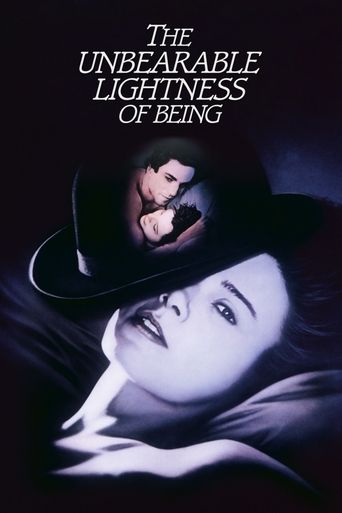
6.8Successful surgeon Tomas leaves Prague for an operation, meets a young photographer named Tereza, and brings her back with him. Tereza is surprised to learn that Tomas is already having an affair with the bohemian Sabina, but when the Soviet invasion occurs, all three flee to Switzerland. Sabina begins an affair, Tom continues womanizing, and Tereza, disgusted, returns to Czechoslovakia. Realizing his mistake, Tomas decides to chase after her.
The Unbearable Lightness of Being
1988
Television series Golden Sixties examines new insights into Czech and Slovak cinema of the 1960s and the role of the Czechoslovak New Wave. Each episode focuses on a different filmmaker.
Golden Sixties
2009
 NR
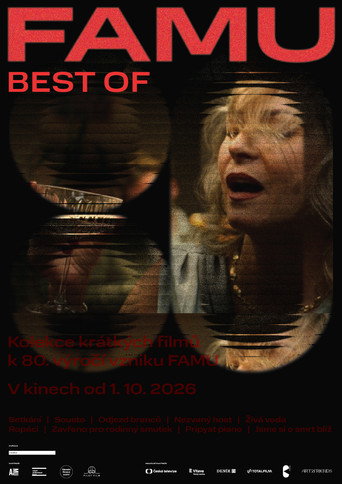
NRThis series of short films offers a representative cross-section of the work produced at this famous Prague film school over the course of its 80-year history.
FAMU 80 – Best of
2026
 6.8
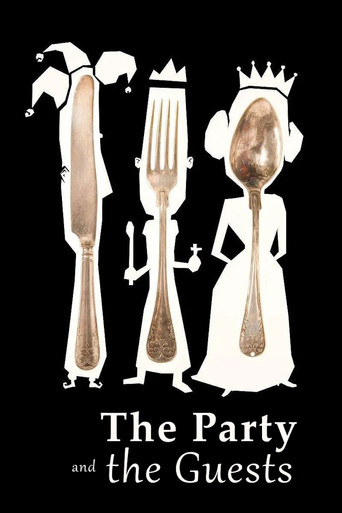
6.8A group of the bourgeois head for a prominent figure's birthday party. As they venture through the woods and have a picnic, they're suddenly surrounded by some suspicious strangers.
The Party and the Guests
1966
 2.8
2.8The film tells the life story of its director, Jan Nemec, one of the most known and important filmmakers of Czech New Wave.
The Wolf from Royal Vineyard Street
2016
 7.5
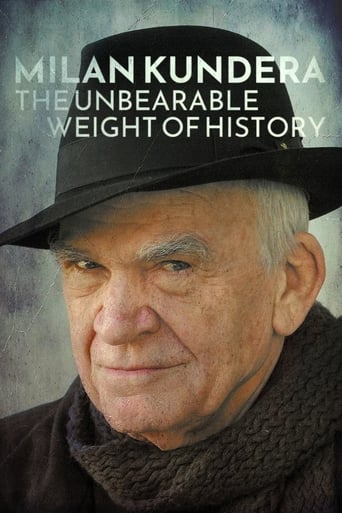
7.5The unique and enigmatic journey of the writer Milan Kundera: from communist Czechoslovakia to exile in Paris, from his quest for glory to his withdrawal from the media scene.
Milan Kundera: The Unbearable Weight of History
2023
Film credits
2010s · 2 titles
2000s · 6 titles
 8.0
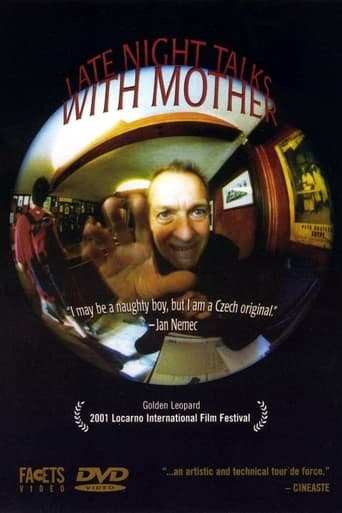
8.0Taking a cue from Franz Kafka's "Letter to My Father," this highly personal film follows Czech director Jan Nemec as he attempts to engage in a dialogue with his deceased mother. While alive, Nemec's mother had a troubled relationship with her son; this rumination seems to be Nemec's public platform for coming to terms with unresolved familial issues. The director embellishes his film by linking personal events with 20th century history.
Late Night Talks with Mother
2003
 8.0
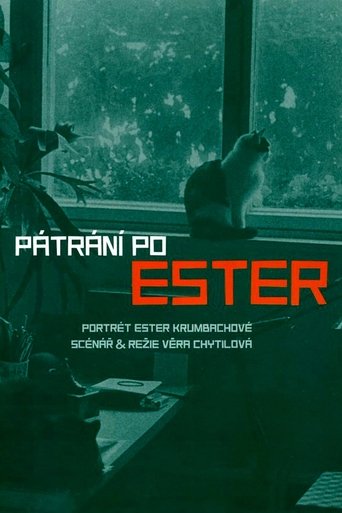
8.0Ester Krumbachová - a costume designer, screenwriter, director; one of the boldest personalities of the Czech New Wave. She worked in theatre, she was a writer and an illustrator. She co-created films such as O slavnosti a hostech (1966), Sedmikrásky (1966), Vsichni dobrí rodáci (1969), Pension pro svobodné pány (1968), Valerie a týden divu (1970), Slamený klobouk (1972) and many others. In the 1960s, she was a 'pivot' of the art scene in Prague, attracting artists who were on the threshold of their career, just setting out to find their own form of self-realization. Those who underwent her tutelage remember her forever. Director Vera Chytilová talks to those who knew Ester Krumbachová, who worked with her, befriended her, loved her. She sets off on a search that is to end by answering the question: Who was Ester?
Searching for Ester
2005
A labyrinthine portrait of Czech culture on the brink of a new millennium. Egon Bondy prophesies a capitalist inferno, Jim Čert admits to collaborating with the secret police, Jaroslav Foglar can’t find a bottle-opener, and Ivan Diviš makes observations about his own funeral. This is the Czech Republic in the late 90s, as detailed in Karel Vachek’s documentary.
Bohemia Docta or the Labyrinth of the World and the Lust-House of the Heart (A Divine Comedy)
2000
 6.0
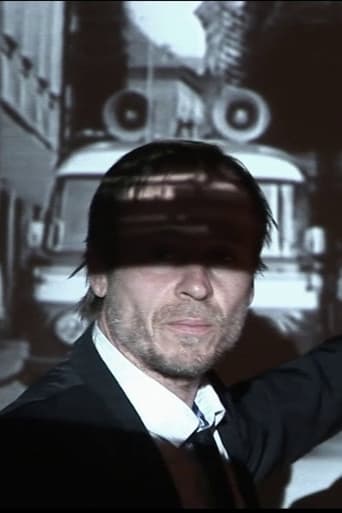
6.0It's nighttime in Prague, 21 August 1968. Soviet troops and tanks are occupying the city - random attacks, soldiers shooting, bodies lying dead on the sidewalk. With an impromptu crew, the director (Karel Roden) captures some unique evidence - material which is, however, worthless in occupied Prague; it has to be shown to the rest of the world. So, while the Soviets are concocting false reports of heartfelt receptions without military resistance for propaganda purposes, the director sets off on a risky trip across the closed Czech-Austrian border to Vienna.
The Ferrari Dino Girl
2009
 7.0
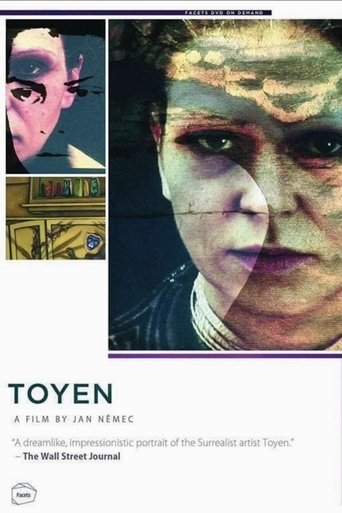
7.0Jan Nemec, a leading filmmaker of the Czech New Wave, creates an original portrait of one of the most provocative artists of the 20th century: Toyen (Marie Cerminova). As a female artist, Toyen broke through the male-dominated art world to create paintings and drawings often erotic in nature. She co-founded the surrealist movement in her native Prague, survived the Nazis and the Communists, maintained artistic and personal relationships with artists Jindrich Heisler (whom she hid during WWII) and Jindrich Styrsky.
Toyen
2005
Story of a man who, at the end of the 1940s, attempted to cross the Czechoslovak border illegally like many others to escape the communist regime and became a victim of the historically documented game of the security forces of the totalitarian regime, the so-called Kameny action. The project of the Miroslav Ondříček Film Academy in Písek is the debut of screenwriter and director Martin Kopp.
Hranice
2006
1990s · 2 titles
 4.1
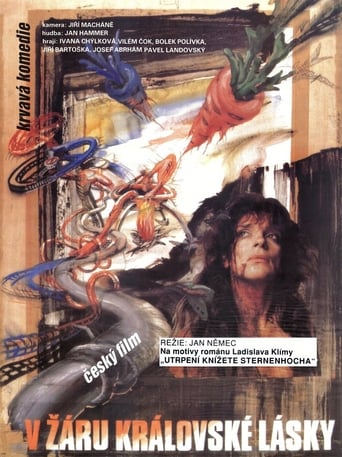
4.1In 1992, Prague is the capital of a small kingdom. The prince is supposed to choose his bride to be at a royal ball. But to everybody's surprise, he chooses an ugly cleaning-woman. She is shy and silent, but after the marriage she turns into a wild and rumbustious woman with an obstinate and stubborn mind. They both try to kill each other, but the queen is thrown into the dungeons.
Flames of Royal Love
1991
 4.5
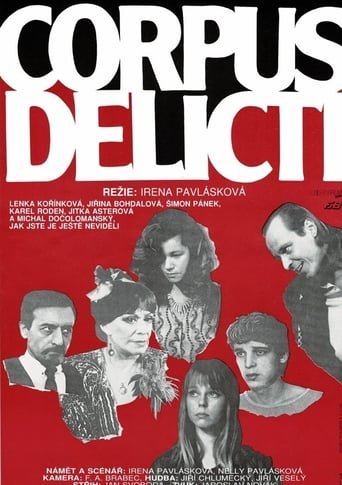
4.5The subject of this film, which takes an analytical look at the life of all of us with an analytical eye, is the evil microbe that has slowly infiltrated the organism of the Czech nation. Through the intertwining fates of three couples, it evokes domestic life before November 1989, burdened by a suffocating atmosphere of unfreedom, and after November, when relatively nothing has changed because people have not changed. The bleak conclusion suggests that the plague epidemic is still ongoing.
Corpus delicti
1991
1980s · 3 titles
6.8Successful surgeon Tomas leaves Prague for an operation, meets a young photographer named Tereza, and brings her back with him. Tereza is surprised to learn that Tomas is already having an affair with the bohemian Sabina, but when the Soviet invasion occurs, all three flee to Switzerland. Sabina begins an affair, Tom continues womanizing, and Tereza, disgusted, returns to Czechoslovakia. Realizing his mistake, Tomas decides to chase after her.
The Unbearable Lightness of Being
1988
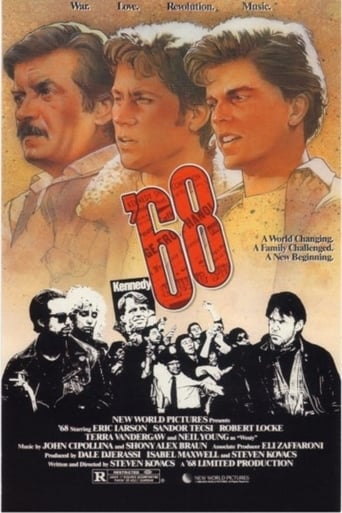 4.0
4.0A Hungarian immigrant adjusts to life in California, as his sons venture off into their own adult lives, which often clash with his old world ideas.
'68
1988
No synopsis available yet.
Horí
1982
1960s · 4 titles
Documentary about the film academy in Prague and the Czech Film in 1965.
An Occasion to Speak
1966
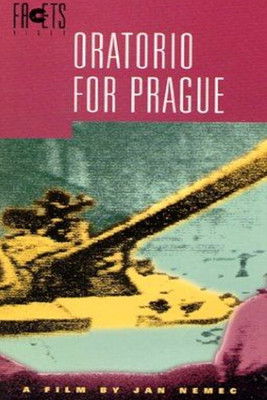 6.8
6.8A unique document of the 1968 Soviet invasion of Czechoslovakia, what began as a documentary about the liberalization of Czechoslovakia evolved into a record of the entry of Russian tanks into Prague.
Oratorio for Prague
1968
Two stories from the lives of border guards. In the story "The Pursuit", an experienced border guard and his young and inexperienced colleague follow the tracks of ski boots in a snowstorm. The second story, Wandering, is about a frontiersman whose wife wants to go inland with their child.
No Entrance
1960
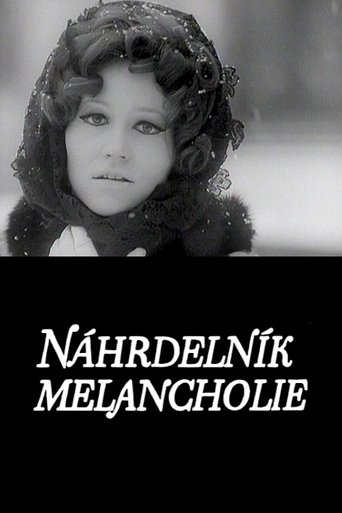 8.0
8.0A musical portrait of the legendary Marta Kubišová, filmed just before the August 1968 invasion restricted her artistic activities.
Necklace of Melancholy
1968
Series credits
Behind the camera
NRThis series of short films offers a representative cross-section of the work produced at this famous Prague film school over the course of its 80-year history.
FAMU 80 – Best of
2026
6.8A group of the bourgeois head for a prominent figure's birthday party. As they venture through the woods and have a picnic, they're suddenly surrounded by some suspicious strangers.
The Party and the Guests
1966
6.8A group of the bourgeois head for a prominent figure's birthday party. As they venture through the woods and have a picnic, they're suddenly surrounded by some suspicious strangers.
The Party and the Guests
1966
2.8The film tells the life story of its director, Jan Nemec, one of the most known and important filmmakers of Czech New Wave.
The Wolf from Royal Vineyard Street
2016
2.8The film tells the life story of its director, Jan Nemec, one of the most known and important filmmakers of Czech New Wave.
The Wolf from Royal Vineyard Street
2016
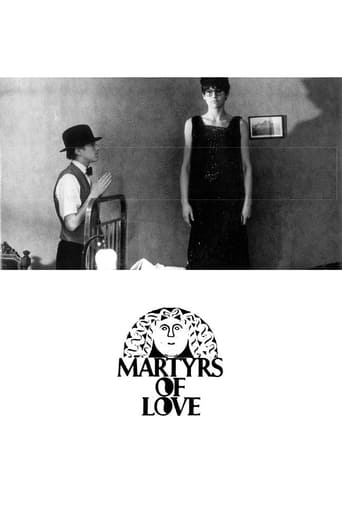 5.3
5.3Three loosely-connected tales that represent different aspects of love: temptation, dreams, and adventure.
Martyrs of Love
1967
5.3Three loosely-connected tales that represent different aspects of love: temptation, dreams, and adventure.
Martyrs of Love
1967
 6.5
6.5It’s the year 1403, and the Bohemian Kingdom is in chaos. While roaming marauders sow fear and terror through a kingdom without a clear ruler, Henry of Skalitz seeks to avenge his murdered parents. As an ally of the rightful king, he is sent to accompany Sir Hans Capon on a diplomatic mission. After they are brutally attacked, however, Henry and Hans undergo a series of dangerous adventures that subject them and their friendship to the ultimate test.
Kingdom Come: Deliverance II Cinematic Cut
2025
 7.0
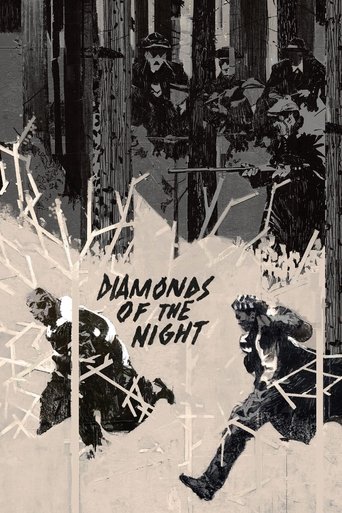
7.0Two Jewish boys escape from a train transporting them from one concentration camp to another. Beyond themes of war and anti-Nazism, the film concerns itself with man's struggle to preserve human dignity.
Diamonds of the Night
1964
7.0Two Jewish boys escape from a train transporting them from one concentration camp to another. Beyond themes of war and anti-Nazism, the film concerns itself with man's struggle to preserve human dignity.
Diamonds of the Night
1964
4.1In 1992, Prague is the capital of a small kingdom. The prince is supposed to choose his bride to be at a royal ball. But to everybody's surprise, he chooses an ugly cleaning-woman. She is shy and silent, but after the marriage she turns into a wild and rumbustious woman with an obstinate and stubborn mind. They both try to kill each other, but the queen is thrown into the dungeons.
Flames of Royal Love
1991
4.1In 1992, Prague is the capital of a small kingdom. The prince is supposed to choose his bride to be at a royal ball. But to everybody's surprise, he chooses an ugly cleaning-woman. She is shy and silent, but after the marriage she turns into a wild and rumbustious woman with an obstinate and stubborn mind. They both try to kill each other, but the queen is thrown into the dungeons.
Flames of Royal Love
1991
8.0Taking a cue from Franz Kafka's "Letter to My Father," this highly personal film follows Czech director Jan Nemec as he attempts to engage in a dialogue with his deceased mother. While alive, Nemec's mother had a troubled relationship with her son; this rumination seems to be Nemec's public platform for coming to terms with unresolved familial issues. The director embellishes his film by linking personal events with 20th century history.
Late Night Talks with Mother
2003
8.0Taking a cue from Franz Kafka's "Letter to My Father," this highly personal film follows Czech director Jan Nemec as he attempts to engage in a dialogue with his deceased mother. While alive, Nemec's mother had a troubled relationship with her son; this rumination seems to be Nemec's public platform for coming to terms with unresolved familial issues. The director embellishes his film by linking personal events with 20th century history.
Late Night Talks with Mother
2003
8.0Taking a cue from Franz Kafka's "Letter to My Father," this highly personal film follows Czech director Jan Nemec as he attempts to engage in a dialogue with his deceased mother. While alive, Nemec's mother had a troubled relationship with her son; this rumination seems to be Nemec's public platform for coming to terms with unresolved familial issues. The director embellishes his film by linking personal events with 20th century history.
Late Night Talks with Mother
2003
Karel Gott and his band sing songs in a natural Slovak scenery, without accompanying words or connecting story.
Čas slunce a růží
1968
6.8A unique document of the 1968 Soviet invasion of Czechoslovakia, what began as a documentary about the liberalization of Czechoslovakia evolved into a record of the entry of Russian tanks into Prague.
Oratorio for Prague
1968
 5.8
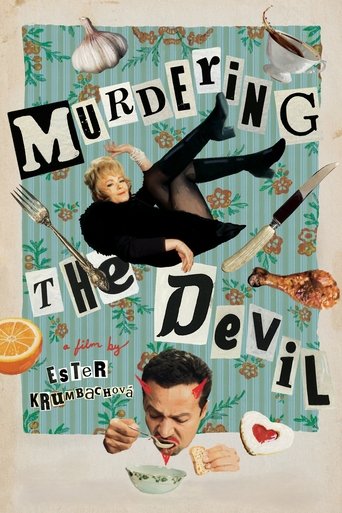
5.8A lonely woman gets more than she bargained for when she begins wooing Mr Devil, an insatiable glutton who turns out to be the boyfriend from Hell.
Killing the Devil
1970
 10.0
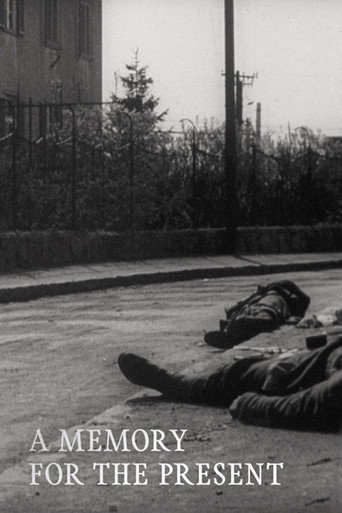
10.0Reflecting on the memory and legacy of the Second World War.
A Memory for the Present
1963
10.0Reflecting on the memory and legacy of the Second World War.
A Memory for the Present
1963
A visit to Prague by the most powerful man in the world coincides with Jan Němec's heart operation. He captures both events in a philosophical video diary, in doing so reporting on what is probably the most important day of his life.
Landscape of my Heart
2004
A visit to Prague by the most powerful man in the world coincides with Jan Němec's heart operation. He captures both events in a philosophical video diary, in doing so reporting on what is probably the most important day of his life.
Landscape of my Heart
2004
Student demonstrations in Strahov are shown in this illegally made film by a film professional with access to 35mm cameras and collaborating laboratories.
The Strahov Demonstration
1990
A neon heart installed above Prague Castle illuminated the city for the last three months of Václav Havel’s presidency in an artist’s tribute to his extraordinary service. His last major undertaking was hosting the NATO summit in 2002 and Němec was granted extraordinary access to film it. Set to make a “special poetic film”, it took Němec years to process what he had witnessed – George W. Bush creating an alliance to invade Iraq. It may then be the director’s revenge to point his camera lens democratically at everyone involved with the summit, giving the same screen time to kitchen and waiting staff, musicians, security detail and NATO protesters, as to the heads of states and attending dignitaries. Havel however, became as much of a subject as the president on screen, and the film’s narrator, providing commentary in his own voice from the distance of a few years after he left the office.
Heart Above the Castle
2008
A neon heart installed above Prague Castle illuminated the city for the last three months of Václav Havel’s presidency in an artist’s tribute to his extraordinary service. His last major undertaking was hosting the NATO summit in 2002 and Němec was granted extraordinary access to film it. Set to make a “special poetic film”, it took Němec years to process what he had witnessed – George W. Bush creating an alliance to invade Iraq. It may then be the director’s revenge to point his camera lens democratically at everyone involved with the summit, giving the same screen time to kitchen and waiting staff, musicians, security detail and NATO protesters, as to the heads of states and attending dignitaries. Havel however, became as much of a subject as the president on screen, and the film’s narrator, providing commentary in his own voice from the distance of a few years after he left the office.
Heart Above the Castle
2008
 5.8
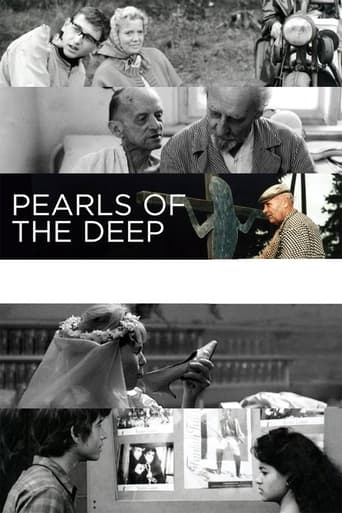
5.8A quintet of vignettes based on short stories by Bohumil Hrabal: an eventful trip to the motorcycle races results in drunkenness, long-winded discussions, and death; two elderly men create false biographies; insurance agents visit an eccentric painter/goat farmer and his mother; guests at a wedding reception remain oblivious to outlying misery; and a working-class boy romances a Roma girl.
Pearls of the Deep
1966
5.8A quintet of vignettes based on short stories by Bohumil Hrabal: an eventful trip to the motorcycle races results in drunkenness, long-winded discussions, and death; two elderly men create false biographies; insurance agents visit an eccentric painter/goat farmer and his mother; guests at a wedding reception remain oblivious to outlying misery; and a working-class boy romances a Roma girl.
Pearls of the Deep
1966
6.0It's nighttime in Prague, 21 August 1968. Soviet troops and tanks are occupying the city - random attacks, soldiers shooting, bodies lying dead on the sidewalk. With an impromptu crew, the director (Karel Roden) captures some unique evidence - material which is, however, worthless in occupied Prague; it has to be shown to the rest of the world. So, while the Soviets are concocting false reports of heartfelt receptions without military resistance for propaganda purposes, the director sets off on a risky trip across the closed Czech-Austrian border to Vienna.
The Ferrari Dino Girl
2009
6.0It's nighttime in Prague, 21 August 1968. Soviet troops and tanks are occupying the city - random attacks, soldiers shooting, bodies lying dead on the sidewalk. With an impromptu crew, the director (Karel Roden) captures some unique evidence - material which is, however, worthless in occupied Prague; it has to be shown to the rest of the world. So, while the Soviets are concocting false reports of heartfelt receptions without military resistance for propaganda purposes, the director sets off on a risky trip across the closed Czech-Austrian border to Vienna.
The Ferrari Dino Girl
2009
7.0Jan Nemec, a leading filmmaker of the Czech New Wave, creates an original portrait of one of the most provocative artists of the 20th century: Toyen (Marie Cerminova). As a female artist, Toyen broke through the male-dominated art world to create paintings and drawings often erotic in nature. She co-founded the surrealist movement in her native Prague, survived the Nazis and the Communists, maintained artistic and personal relationships with artists Jindrich Heisler (whom she hid during WWII) and Jindrich Styrsky.
Toyen
2005
7.0Jan Nemec, a leading filmmaker of the Czech New Wave, creates an original portrait of one of the most provocative artists of the 20th century: Toyen (Marie Cerminova). As a female artist, Toyen broke through the male-dominated art world to create paintings and drawings often erotic in nature. She co-founded the surrealist movement in her native Prague, survived the Nazis and the Communists, maintained artistic and personal relationships with artists Jindrich Heisler (whom she hid during WWII) and Jindrich Styrsky.
Toyen
2005
7.0Jan Nemec, a leading filmmaker of the Czech New Wave, creates an original portrait of one of the most provocative artists of the 20th century: Toyen (Marie Cerminova). As a female artist, Toyen broke through the male-dominated art world to create paintings and drawings often erotic in nature. She co-founded the surrealist movement in her native Prague, survived the Nazis and the Communists, maintained artistic and personal relationships with artists Jindrich Heisler (whom she hid during WWII) and Jindrich Styrsky.
Toyen
2005
This controversial feature blends documentary, archival footage and fiction into an elliptical narrative in which two young people in Prague, an ancient seat for the practice of alchemy, follow the trail for the mystical philosopher's stone. History and future blend as brilliant montage sequences and fanciful leaps of the imagination work to posit questions about the legacy of the past and how it influences the individual's personal freedom and responsibility.
Code Name: Ruby
1996
This controversial feature blends documentary, archival footage and fiction into an elliptical narrative in which two young people in Prague, an ancient seat for the practice of alchemy, follow the trail for the mystical philosopher's stone. History and future blend as brilliant montage sequences and fanciful leaps of the imagination work to posit questions about the legacy of the past and how it influences the individual's personal freedom and responsibility.
Code Name: Ruby
1996
This controversial feature blends documentary, archival footage and fiction into an elliptical narrative in which two young people in Prague, an ancient seat for the practice of alchemy, follow the trail for the mystical philosopher's stone. History and future blend as brilliant montage sequences and fanciful leaps of the imagination work to posit questions about the legacy of the past and how it influences the individual's personal freedom and responsibility.
Code Name: Ruby
1996
 6.4
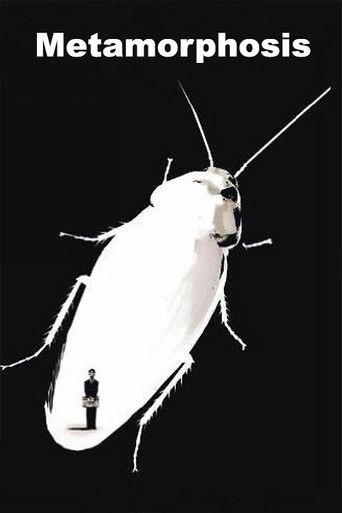
6.4Travelling salesman Gregor Samsa wakes to find that he's been transformed into a giant insect. This particular Franz Kafka adaptation is seen from Gregor's point of view, continuing to explore themes of alienation, family duty, and the absurdity of modern life as the Samsa clan cope with how to go on with the situation at hand.
Metamorphosis
1975
6.4Travelling salesman Gregor Samsa wakes to find that he's been transformed into a giant insect. This particular Franz Kafka adaptation is seen from Gregor's point of view, continuing to explore themes of alienation, family duty, and the absurdity of modern life as the Samsa clan cope with how to go on with the situation at hand.
Metamorphosis
1975
 NR
NRBy the end of the second World War, three prisoners wish to escape from the train carrying them from one concentration camp to another. To make it happen, they need to get food first.
A Loaf of Bread
2026
NRBy the end of the second World War, three prisoners wish to escape from the train carrying them from one concentration camp to another. To make it happen, they need to get food first.
A Loaf of Bread
2026
No synopsis available yet.
Das Rückendekolleté
1975