
Directing
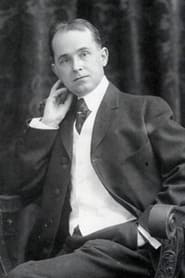
Winsor McCay
Born — Died
1869-09-26 — 1934-07-26
Place of birth
Michigan, USA
Known for
Directing
Credits
31 titles
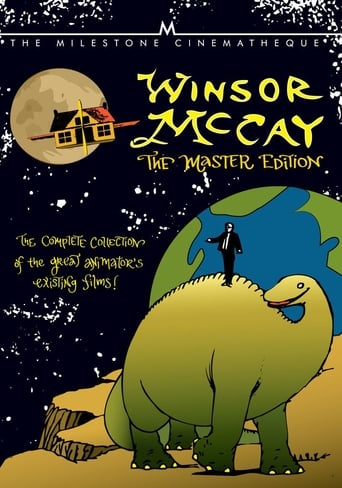
Zenas Winsor McCay (c. 1866–71 – July 26, 1934) was an American cartoonist and animator. He is best known for the comic strip Little Nemo (1905–14; 1924–26) and the animated film Gertie the Dinosaur (1914). For contractual reasons, he worked under the pen name Silas on the comic strip Dream of the Rarebit Fiend. McCay was an early animation pioneer; between 1911 and 1921 he self-financed and animated ten films, some of which survive only as fragments. The first three served in his vaudeville act; Gertie the Dinosaur was an interactive routine in which McCay appeared to give orders to a trained dinosaur. McCay and his assistants worked for twenty-two months on his most ambitious film, The Si…
Known for
 NR
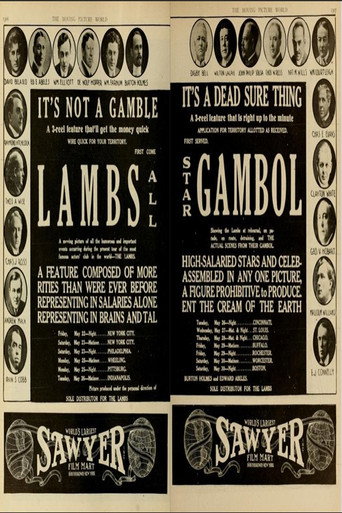
NRReleased in June of 1914.
The Lambs' All-Star Gambol
1914
 6.7
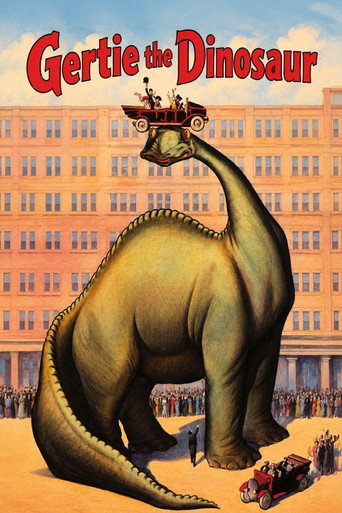
6.7Although not the first feature-length animated film, as is sometimes thought, it was the first cartoon to feature a character with an appealing personality. The appearance of a true character distinguished it from earlier animated "trick films", such as those of Blackton and Cohl, and makes it the predecessor to later popular cartoons such as those by Walt Disney. The film was also the first to be created using keyframe animation.
Gertie the Dinosaur
1914
 6.4
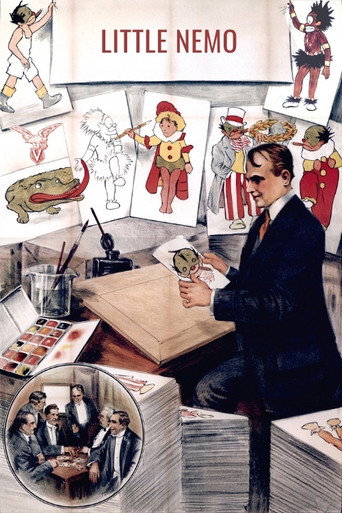
6.4Cartoon figures announce, via comic strip balloons, that they will move - and move they do, in a wildly exaggerated style. Also known as "Winsor McCay, the Famous Cartoonist of the N.Y. Herald and His Moving Comics".
Little Nemo
1911
 NR
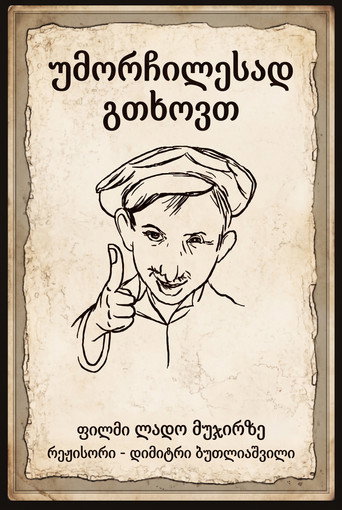
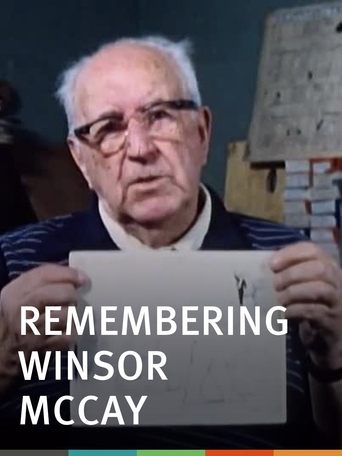
NRDocumentary about founding father of Georgian Animation, Lado Mujiri.
I Humbly Beg You
2010
 6.1
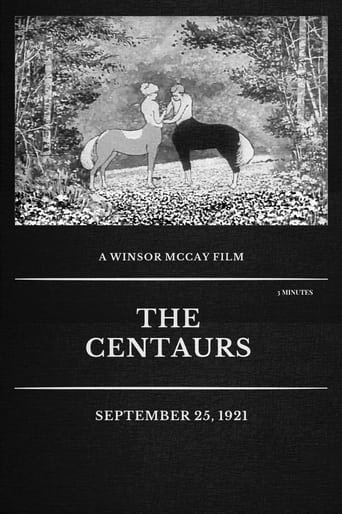
6.1A female centaur enters a clearing in the woods and picks flowers. She is met by a male centaur and the two romance each other. They then seek parental consent for their union. Surviving footage of a now lost film.
The Centaurs
1921
 6.5
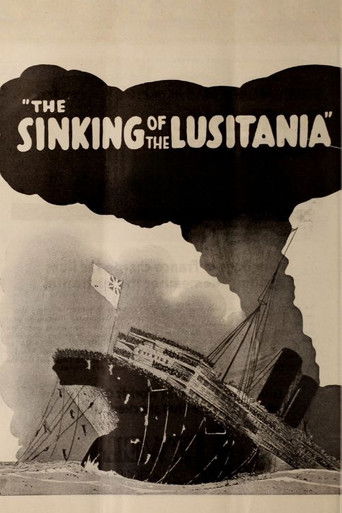
6.5Winsor McCay recreates the sinking of the ocean liner Lusitania by a German U-boat in this propaganda piece designed to stir up anti-German sentiment during World War I.
The Sinking of the Lusitania
1918
Film credits
2010s · 1 titles
1910s · 4 titles
NRReleased in June of 1914.
The Lambs' All-Star Gambol
1914
6.7Although not the first feature-length animated film, as is sometimes thought, it was the first cartoon to feature a character with an appealing personality. The appearance of a true character distinguished it from earlier animated "trick films", such as those of Blackton and Cohl, and makes it the predecessor to later popular cartoons such as those by Walt Disney. The film was also the first to be created using keyframe animation.
Gertie the Dinosaur
1914
6.4Cartoon figures announce, via comic strip balloons, that they will move - and move they do, in a wildly exaggerated style. Also known as "Winsor McCay, the Famous Cartoonist of the N.Y. Herald and His Moving Comics".
Little Nemo
1911
6.5Winsor McCay recreates the sinking of the ocean liner Lusitania by a German U-boat in this propaganda piece designed to stir up anti-German sentiment during World War I.
The Sinking of the Lusitania
1918
Behind the camera
6.7Although not the first feature-length animated film, as is sometimes thought, it was the first cartoon to feature a character with an appealing personality. The appearance of a true character distinguished it from earlier animated "trick films", such as those of Blackton and Cohl, and makes it the predecessor to later popular cartoons such as those by Walt Disney. The film was also the first to be created using keyframe animation.
Gertie the Dinosaur
1914
6.7Although not the first feature-length animated film, as is sometimes thought, it was the first cartoon to feature a character with an appealing personality. The appearance of a true character distinguished it from earlier animated "trick films", such as those of Blackton and Cohl, and makes it the predecessor to later popular cartoons such as those by Walt Disney. The film was also the first to be created using keyframe animation.
Gertie the Dinosaur
1914
6.7Although not the first feature-length animated film, as is sometimes thought, it was the first cartoon to feature a character with an appealing personality. The appearance of a true character distinguished it from earlier animated "trick films", such as those of Blackton and Cohl, and makes it the predecessor to later popular cartoons such as those by Walt Disney. The film was also the first to be created using keyframe animation.
Gertie the Dinosaur
1914
6.4Cartoon figures announce, via comic strip balloons, that they will move - and move they do, in a wildly exaggerated style. Also known as "Winsor McCay, the Famous Cartoonist of the N.Y. Herald and His Moving Comics".
Little Nemo
1911
6.4Cartoon figures announce, via comic strip balloons, that they will move - and move they do, in a wildly exaggerated style. Also known as "Winsor McCay, the Famous Cartoonist of the N.Y. Herald and His Moving Comics".
Little Nemo
1911
6.4Cartoon figures announce, via comic strip balloons, that they will move - and move they do, in a wildly exaggerated style. Also known as "Winsor McCay, the Famous Cartoonist of the N.Y. Herald and His Moving Comics".
Little Nemo
1911
6.1A female centaur enters a clearing in the woods and picks flowers. She is met by a male centaur and the two romance each other. They then seek parental consent for their union. Surviving footage of a now lost film.
The Centaurs
1921
6.1A female centaur enters a clearing in the woods and picks flowers. She is met by a male centaur and the two romance each other. They then seek parental consent for their union. Surviving footage of a now lost film.
The Centaurs
1921
6.1A female centaur enters a clearing in the woods and picks flowers. She is met by a male centaur and the two romance each other. They then seek parental consent for their union. Surviving footage of a now lost film.
The Centaurs
1921
6.5Winsor McCay recreates the sinking of the ocean liner Lusitania by a German U-boat in this propaganda piece designed to stir up anti-German sentiment during World War I.
The Sinking of the Lusitania
1918
6.5Winsor McCay recreates the sinking of the ocean liner Lusitania by a German U-boat in this propaganda piece designed to stir up anti-German sentiment during World War I.
The Sinking of the Lusitania
1918
 6.3
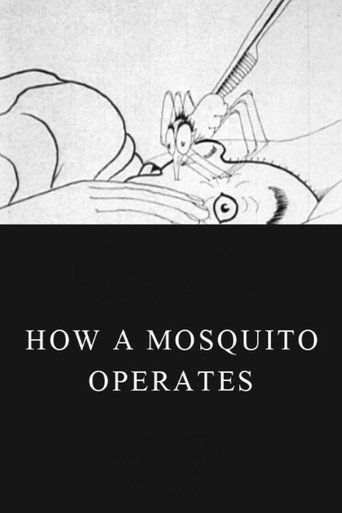
6.3A hungry mosquito spots and follows a man on his way home. The mosquito slips into the room where the man is sleeping, and gets ready for a meal. His first attempts startle the man and wake him up, but the mosquito is very persistent.
How a Mosquito Operates
1912
6.3A hungry mosquito spots and follows a man on his way home. The mosquito slips into the room where the man is sleeping, and gets ready for a meal. His first attempts startle the man and wake him up, but the mosquito is very persistent.
How a Mosquito Operates
1912
6.3A hungry mosquito spots and follows a man on his way home. The mosquito slips into the room where the man is sleeping, and gets ready for a meal. His first attempts startle the man and wake him up, but the mosquito is very persistent.
How a Mosquito Operates
1912
 6.6
6.6After eating a rarebit at a party, a woman has a strange dream in which her husband converts their home into a flying machine to escape having to pay the exorbitant interest on the mortgage, on a flight that takes them around the world and to the moon.
Dreams of the Rarebit Fiend: The Flying House
1921
6.6After eating a rarebit at a party, a woman has a strange dream in which her husband converts their home into a flying machine to escape having to pay the exorbitant interest on the mortgage, on a flight that takes them around the world and to the moon.
Dreams of the Rarebit Fiend: The Flying House
1921
 6.5
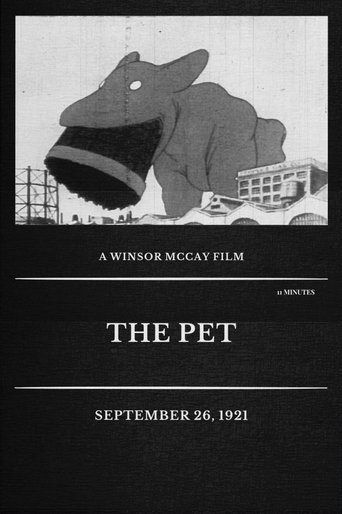
6.5After eating a rarebit, a man falls asleep and dreams his wife adopts a mysterious animal with an insatiable appetite. The pet eats its milk, the house cat, the house's furnishings, rat poison, and passing vehicles, including airplanes and a blimp, while growing larger and larger. This cartoon is part of a Dream trilogy animated by Winsor McCay in 1921. (CBGP)
Dreams of the Rarebit Fiend: The Pet
1921
6.5After eating a rarebit, a man falls asleep and dreams his wife adopts a mysterious animal with an insatiable appetite. The pet eats its milk, the house cat, the house's furnishings, rat poison, and passing vehicles, including airplanes and a blimp, while growing larger and larger. This cartoon is part of a Dream trilogy animated by Winsor McCay in 1921. (CBGP)
Dreams of the Rarebit Fiend: The Pet
1921
 5.9
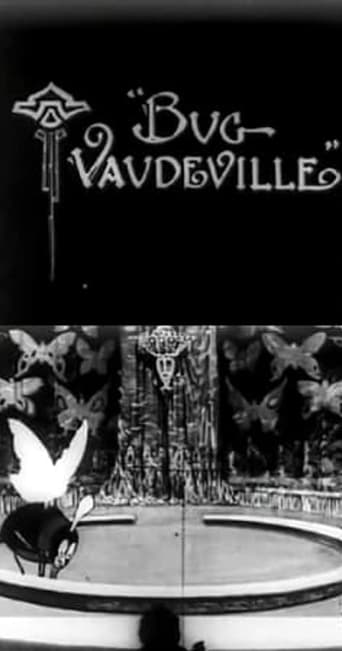
5.9After eating a cheesecake given to him by a kind-hearted lady, a hobo goes to sleep and has a bizarre dream in which insects are putting on a vaudeville show for him, with a grasshopper juggling an ant, a dancing daddy long-legs, etc.
Dreams of the Rarebit Fiend: Bug Vaudeville
1921
5.9After eating a cheesecake given to him by a kind-hearted lady, a hobo goes to sleep and has a bizarre dream in which insects are putting on a vaudeville show for him, with a grasshopper juggling an ant, a dancing daddy long-legs, etc.
Dreams of the Rarebit Fiend: Bug Vaudeville
1921
 5.5
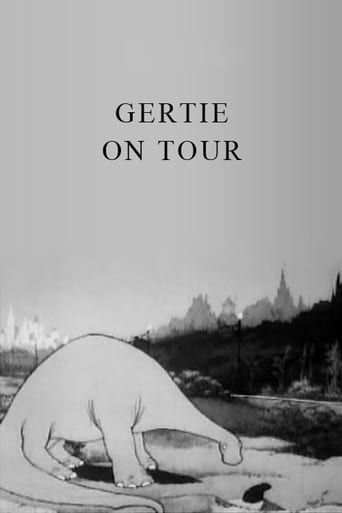
5.5Windsor McCay's partially lost follow-up to his tremendouly successful Gertie the Dinosaur. Gertie has been brought into the modern world. Continually perplexed by her new surroundings, she begins to explore the new sights. But when she sleeps, she dreams of the way it used to be, in the days when the world was full of dinosaurs like herself.
Gertie on Tour
1921
5.5Windsor McCay's partially lost follow-up to his tremendouly successful Gertie the Dinosaur. Gertie has been brought into the modern world. Continually perplexed by her new surroundings, she begins to explore the new sights. But when she sleeps, she dreams of the way it used to be, in the days when the world was full of dinosaurs like herself.
Gertie on Tour
1921
Flip is balancing his hat on his face while leaning forwards and backwards. He eventually falls face forward. Flip opens the tent flap to reveal a lot of large animals behind him. A large animal creature-I have no idea what it is-comes out and starts to interact with Flip. Flip keeps hitting him. Flip puts his head in the animal's mouth. At one point, the animal swallows him as we see moving bumps on the stomach. He then spits him back out!
Flip's Circus
1921
Flip is balancing his hat on his face while leaning forwards and backwards. He eventually falls face forward. Flip opens the tent flap to reveal a lot of large animals behind him. A large animal creature-I have no idea what it is-comes out and starts to interact with Flip. Flip keeps hitting him. Flip puts his head in the animal's mouth. At one point, the animal swallows him as we see moving bumps on the stomach. He then spits him back out!
Flip's Circus
1921