

Writing
Pierre Gascar
Born — Died
1916-03-13 — 1997-02-20
Place of birth
Paris, France
Known for
Writing
Credits
3 titles
Pierre Fournier (13 March 1916 – 20 February 1997), better known his pen name Pierre Gascar, was a French journalist, literary critic, writer, essayist and screenwriter. Born in Paris in 1916 to a working-class family, Pierre Gascar lived part of his childhood in Périgord after his mother was institutionalised. His troubled childhood would later inspire him to write La Graine and Meilleur de la Vie. Returning to Paris after completing high school, he became involved in left wing politics and began to associate with writers. His imprisonment in a German stalag during the Second World War heavily influenced his writing during that period. In Le temps des Morts, Gascar recounts his time spent …
Known for
 8.5
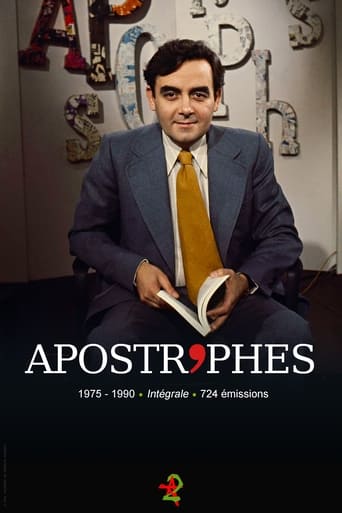
Apostrophes was a live, weekly, literary, prime-time, talk show on French television created and hosted by Bernard Pivot. It ran for fifteen years (724 episodes) from January 10, 1975, to June 22, 1990, and was one of the most watched shows on French television (around 6 million regular viewers). It was broadcast on Friday nights on the channel France 2 (which was called "Antenne 2" from 1975 to 1992). The hourlong show was devoted to books, authors and literature. The format varied between one-on-one interviews with a single author and open discussions between four or five authors.
Apostrophes
1975
 7.6
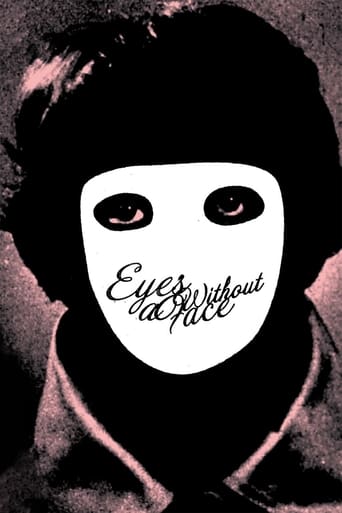
Dr. Génessier is riddled with guilt after an accident that he caused disfigures the face of his daughter, the once beautiful Christiane, who outsiders believe is dead. Dr. Génessier, along with accomplice and laboratory assistant Louise, kidnaps young women and brings them to the Génessier mansion. After rendering his victims unconscious, Dr. Génessier removes their faces and attempts to graft them on to Christiane's.
Eyes Without a Face
1960
 NR
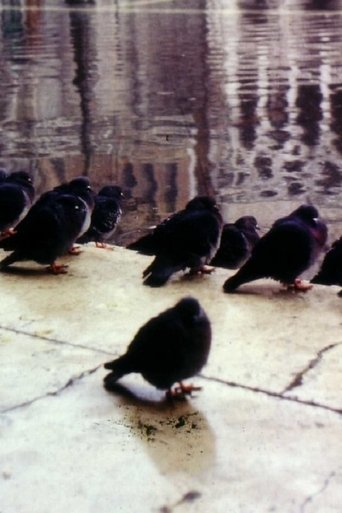
Yannick Bellon's documentary paints a portrait of a city torn between the problem of unsanitary housing, pollution corroding walls and statues, and the recurring and increasing floods—all consequences of human activity. Faced with job shortages and rampant speculation, the overarching question arises of how industries can coexist with the city of Venice. Allowing them to develop risks destroying it; driving them out risks turning it into a museum, causing its inhabitants, and thus its soul, to leave.
City by the Sea, or how to survive in Venice
1970
Series credits
Behind the camera
7.6Dr. Génessier is riddled with guilt after an accident that he caused disfigures the face of his daughter, the once beautiful Christiane, who outsiders believe is dead. Dr. Génessier, along with accomplice and laboratory assistant Louise, kidnaps young women and brings them to the Génessier mansion. After rendering his victims unconscious, Dr. Génessier removes their faces and attempts to graft them on to Christiane's.
Eyes Without a Face
1960
NRYannick Bellon's documentary paints a portrait of a city torn between the problem of unsanitary housing, pollution corroding walls and statues, and the recurring and increasing floods—all consequences of human activity. Faced with job shortages and rampant speculation, the overarching question arises of how industries can coexist with the city of Venice. Allowing them to develop risks destroying it; driving them out risks turning it into a museum, causing its inhabitants, and thus its soul, to leave.
City by the Sea, or how to survive in Venice
1970