
Camera
Babette Mangolte
Known for
Camera
Credits
36 titles
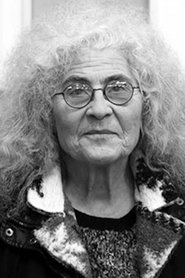
Babette Mangolte is a French cinematographer, film director, and photographer who has lived and worked in the United States since 1970. She is best known for her work with film director Chantal Akerman.
Known for
 9.0
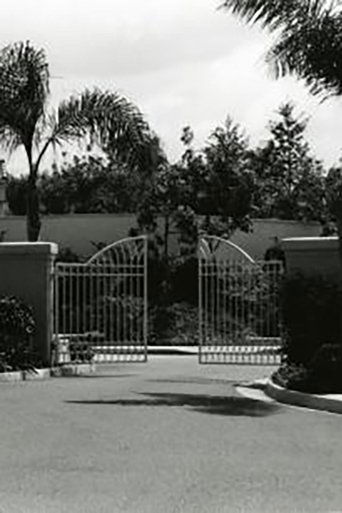
9.0Two women are in search of a home in the Southern California landscape. From the outside looking in, they see the single-family home as the locus of the exclusion of the other. It is also unaffordable. They both feel as if they are invisible citizens. They witness how the architectural landscape imposed on the California desert appears as a reversal of nature, where exclusive living, gated communities and segregation go hand in hand. They dream of escape.
Visible Cities
1991
 4.9
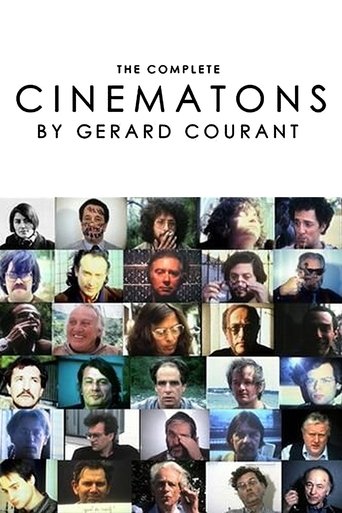
4.9Cinématon is a 156-hour long experimental film by French director Gérard Courant. It was the longest film ever released until 2011. Composed over 36 years from 1978 until 2006, it consists of a series of over 2,821 silent vignettes (cinématons), each 3 minutes and 25 seconds long, of various celebrities, artists, journalists and friends of the director, each doing whatever they want for the allotted time. Subjects of the film include directors Barbet Schroeder, Nagisa Oshima, Volker Schlöndorff, Ken Loach, Benjamin Cuq, Youssef Chahine, Wim Wenders, Joseph Losey, Jean-Luc Godard, Samuel Fuller and Terry Gilliam, chess grandmaster Joël Lautier, and actors Roberto Benigni, Stéphane Audran, Julie Delpy and Lesley Chatterley. Gilliam is featured eating a 100-franc note, while Fuller smokes a cigar. Courant's favourite subject was a 7-month-old baby. The film was screened in its then-entirety in Avignon in November 2009 and was screened in Redondo Beach, CA on April 9, 2010.
Cinématon
1978
 NR
NRHome movies shot on Super 8mm by W+B Hein over 10 years.
Home Movies 1971-81
1985
A documentary that follows up on what happened to the three principle actors in Robert Bresson's "Pickpocket."
The Models of 'Pickpocket'
2003
 10.0
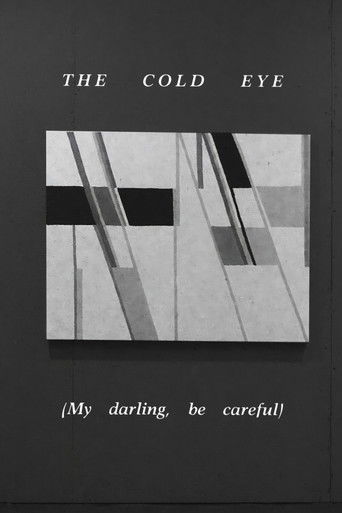
10.0A “narrative” film centered on young artists living in New York City around 1979. The film is about a certain stage in the development of a young artist confronting the real world in terms of her own idealistic notions of what art is supposed to do. You never see her. She is the camera’s eye and when someone says to the camera “My darling be careful”, it could be addressing her or you the spectator. The subjective camera set-up challenges your position as an impartial observer. - BM
The Cold Eye (My Darling, Be Careful)
1980
 7.8
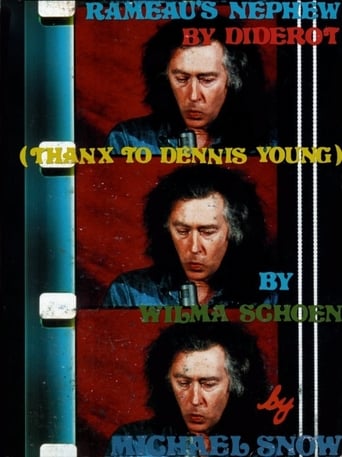
7.8Various unrelated vignettes, often juxtaposing sound and image.
‘Rameau’s Nephew’ by Diderot (Thanx to Dennis Young) by Wilma Schoen
1974
Film credits
1980s · 2 titles
NRHome movies shot on Super 8mm by W+B Hein over 10 years.
Home Movies 1971-81
1985
 7.0
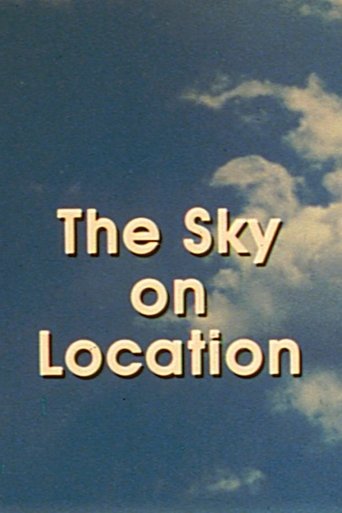
7.0A personal meditation on the landscape of the American West that tracks the ruling conception in nature in the 19th and 20th centuries from the pioneers through the instamatic tourists, at the same time that it obsessively follows the four seasons. The elemental vicissitudes of the weather, the exact moment of the day, the colour of the light and the soil and the trees form an acute visual record of the constantly changing mood of the landscape. The film successfully attempts, with quiet, passionate, almost single-minded firmness, to confront us as nakedly as possible with our cultural inability to see nature whole, without preconceptions.
The Sky on Location
1983
1970s · 7 titles
4.9Cinématon is a 156-hour long experimental film by French director Gérard Courant. It was the longest film ever released until 2011. Composed over 36 years from 1978 until 2006, it consists of a series of over 2,821 silent vignettes (cinématons), each 3 minutes and 25 seconds long, of various celebrities, artists, journalists and friends of the director, each doing whatever they want for the allotted time. Subjects of the film include directors Barbet Schroeder, Nagisa Oshima, Volker Schlöndorff, Ken Loach, Benjamin Cuq, Youssef Chahine, Wim Wenders, Joseph Losey, Jean-Luc Godard, Samuel Fuller and Terry Gilliam, chess grandmaster Joël Lautier, and actors Roberto Benigni, Stéphane Audran, Julie Delpy and Lesley Chatterley. Gilliam is featured eating a 100-franc note, while Fuller smokes a cigar. Courant's favourite subject was a 7-month-old baby. The film was screened in its then-entirety in Avignon in November 2009 and was screened in Redondo Beach, CA on April 9, 2010.
Cinématon
1978
7.8Various unrelated vignettes, often juxtaposing sound and image.
‘Rameau’s Nephew’ by Diderot (Thanx to Dennis Young) by Wilma Schoen
1974
 6.0
6.0During the filming of "Jeanne Dielman" Sami Frey recorded what was happening on the set. A film about a film in the making.
Around Jeanne Dielman
1975
In this recently rediscovered home movie, three women—Chantal Akerman, Babette Mangolte, and Epp Kotkas—share a precious moment of laughter and friendship while filming Hotel Monterey in 1972 in New York.
Untitled
1970
 NR
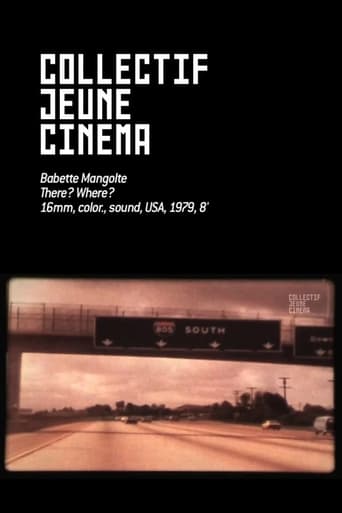
NRA naive look at Southern California by an outsider, and/or an essay on displacement through the disjunction of Californian images and off screen voices. Where is the location of these voices, here or there? Are the images near or far in relation to the voices? Are the images commenting on the images or vice versa?
There? Where?
1979
Portrait of French filmmaker and photographer Babette Mangolte shot in Hyères (France) on September 2, 1978 at 11:15 AM.
Cinématon n°31 : Babette Mangolte
1978
Reel 4 of Gérard Courant's on-going Cinematon series.
Cinématon IV
1978
Behind the camera
9.0Two women are in search of a home in the Southern California landscape. From the outside looking in, they see the single-family home as the locus of the exclusion of the other. It is also unaffordable. They both feel as if they are invisible citizens. They witness how the architectural landscape imposed on the California desert appears as a reversal of nature, where exclusive living, gated communities and segregation go hand in hand. They dream of escape.
Visible Cities
1991
9.0Two women are in search of a home in the Southern California landscape. From the outside looking in, they see the single-family home as the locus of the exclusion of the other. It is also unaffordable. They both feel as if they are invisible citizens. They witness how the architectural landscape imposed on the California desert appears as a reversal of nature, where exclusive living, gated communities and segregation go hand in hand. They dream of escape.
Visible Cities
1991
A documentary that follows up on what happened to the three principle actors in Robert Bresson's "Pickpocket."
The Models of 'Pickpocket'
2003
A documentary that follows up on what happened to the three principle actors in Robert Bresson's "Pickpocket."
The Models of 'Pickpocket'
2003
10.0A “narrative” film centered on young artists living in New York City around 1979. The film is about a certain stage in the development of a young artist confronting the real world in terms of her own idealistic notions of what art is supposed to do. You never see her. She is the camera’s eye and when someone says to the camera “My darling be careful”, it could be addressing her or you the spectator. The subjective camera set-up challenges your position as an impartial observer. - BM
The Cold Eye (My Darling, Be Careful)
1980
10.0A “narrative” film centered on young artists living in New York City around 1979. The film is about a certain stage in the development of a young artist confronting the real world in terms of her own idealistic notions of what art is supposed to do. You never see her. She is the camera’s eye and when someone says to the camera “My darling be careful”, it could be addressing her or you the spectator. The subjective camera set-up challenges your position as an impartial observer. - BM
The Cold Eye (My Darling, Be Careful)
1980
10.0A “narrative” film centered on young artists living in New York City around 1979. The film is about a certain stage in the development of a young artist confronting the real world in terms of her own idealistic notions of what art is supposed to do. You never see her. She is the camera’s eye and when someone says to the camera “My darling be careful”, it could be addressing her or you the spectator. The subjective camera set-up challenges your position as an impartial observer. - BM
The Cold Eye (My Darling, Be Careful)
1980
 6.0
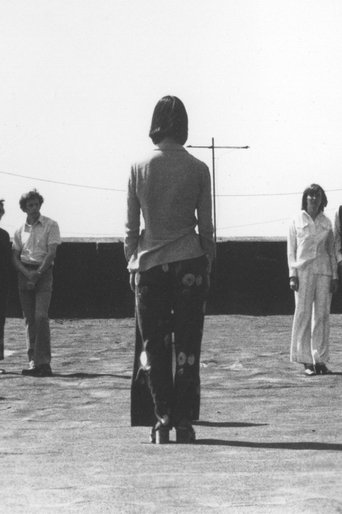
6.0The film is about looking. I bet that slight variations of few recurrent elements would encourage the viewer to free associate and to fantasize a kind of narrative. - BM
What Maisie Knew
1975
 NR
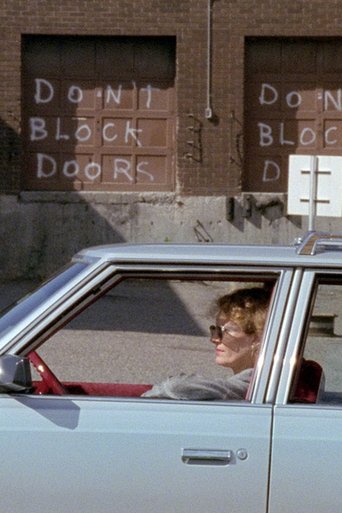
NRDelphine Seyrig decided to work on a film project about Calamity Jane to reveal Jane’s sensibility and insight about life in those letters to her daughter. The reading of those letters permits a self-reflection about feminism and motherhood.
Calamity Jane & Delphine Seyrig: A Story
2020
NRDelphine Seyrig decided to work on a film project about Calamity Jane to reveal Jane’s sensibility and insight about life in those letters to her daughter. The reading of those letters permits a self-reflection about feminism and motherhood.
Calamity Jane & Delphine Seyrig: A Story
2020
 10.0
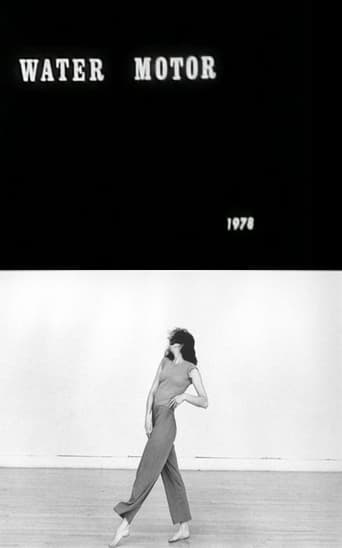
10.0A filmed record of a solo performance by American postmodern dancer and choreographer Trisha Brown. In order to better understand the dance, Mangolte learned to perform it herself. Mangolte shot Brown as she performed the solo twice, and then on the third take she decided to film in slow motion: "I shot slow motion, knowing that it would reveal the dance and the movement in a totally different context... the slow motion version permits a second look at the choreography, and the spectators can marvel at what they remember and also what they missed the first time around."
Water Motor
1978
NRA naive look at Southern California by an outsider, and/or an essay on displacement through the disjunction of Californian images and off screen voices. Where is the location of these voices, here or there? Are the images near or far in relation to the voices? Are the images commenting on the images or vice versa?
There? Where?
1979
 2.0
2.0For Seven Easy Pieces Marina Abramovic reenacted five seminal performance works by her peers, dating from the 1960's and 70's, and two of her own, interpreting them as one would a musical score. The project confronted the fact that little documentation exists from this critical early period and one often has to rely upon testimony from witnesses or photographs that show only portions of any given performance. The seven works were performed for seven hours each, over the course of seven consecutive days, November 9 –15, 2005 at the Guggenheim Museum, in New York City. Seven Easy Pieces examines the possibilities of representing and preserving an art form that is, by nature, ephemeral.
Seven Easy Pieces
2007
"Film Portrait of Richard Serra was shot during the making of The Camera: Je but I felt that the footage showed such complicity between Richard and me that I decided it was a film on its own. I shot the film title in 1977 but only finished the film in 2007 in digital video. Richard and I had met in Rome in 1972, and in January 1974 I moved into the building where he had lived and worked since the 1960s, so we were neighbors. We liked each other and the film shows that."
A Film Portrait of Richard Serra
2007
The film chronicles the work of choreographer and dancers on the stage in Minneapolis preceding the premiere of Trisha Brown’s Lateral Pass in 1985. Involving a complex set and colorful costumes by Nancy Graves, choreography by Trisha Brown, and improvised music by Peter Zummo, the film follows the dynamic between dancers, choreographer and the stage apparatus.
Staging "Lateral Pass"
2013
"The film Je, Nous, I or Eye, Us is a mini essay that replies to a question about subjectivity in the 1970s while I was making my film 'The Camera Je, La Camera: I' about taking photographs. The new film from 2014 uses footage shot at the time of The Camera: Je but never used in 1976 and 1977 and adds to the 16mm film a series of titles about a photographer’s subjectivity then and now." (Babette Mangolte)
Je, Nous, I or Eye, Us
2014
 9.0
9.0With Linda Patton and James Barth Silent, (24 frames per second) A linear succession of activities/manipulations of objects. Film = Now Projected Film = (Now)
(Now) or Maintenant Entre Parenthèses
1976
Trisha Brown original Roof Piece became an emblem of the 1970s for concentrating the spectator attention on far away rooftops. The 2011 dance in the compressed architectural space of the High Line demand that spectators move to see every dancer. The dance reveals how improvised movement by one dancer, viewed across rooftops, is transformed incrementally by distance and jagged lines of vision. The line of dancers starts South and reverses at half-time.
Roof Piece on the High Line
2012
 NR
NRA subjective account of the act of making still photographs.
The Camera: Je or La Caméra: I
1977
NRA subjective account of the act of making still photographs.
The Camera: Je or La Caméra: I
1977
The film is a reconstitution of the seminal performance work done in the early Sixties by the sculptor Robert Morris.
Four Pieces by Morris
1993
7.0A personal meditation on the landscape of the American West that tracks the ruling conception in nature in the 19th and 20th centuries from the pioneers through the instamatic tourists, at the same time that it obsessively follows the four seasons. The elemental vicissitudes of the weather, the exact moment of the day, the colour of the light and the soil and the trees form an acute visual record of the constantly changing mood of the landscape. The film successfully attempts, with quiet, passionate, almost single-minded firmness, to confront us as nakedly as possible with our cultural inability to see nature whole, without preconceptions.
The Sky on Location
1983
7.0A personal meditation on the landscape of the American West that tracks the ruling conception in nature in the 19th and 20th centuries from the pioneers through the instamatic tourists, at the same time that it obsessively follows the four seasons. The elemental vicissitudes of the weather, the exact moment of the day, the colour of the light and the soil and the trees form an acute visual record of the constantly changing mood of the landscape. The film successfully attempts, with quiet, passionate, almost single-minded firmness, to confront us as nakedly as possible with our cultural inability to see nature whole, without preconceptions.
The Sky on Location
1983
No synopsis available yet.
Edward Krasinski's Studio
2013
Choreographed by american choreographer, Lucinda Childs, the film explores complex patterns that are created with the simple action of walking
Calico Mingling
1973