
Acting
Tetsuro Tamba
Born — Died
1922-07-17 — 2006-09-24
Place of birth
Shinjuku, Tokyo, Japan
Known for
Acting
Credits
99 titles
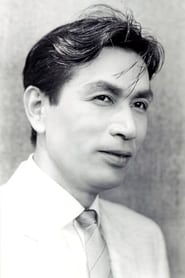
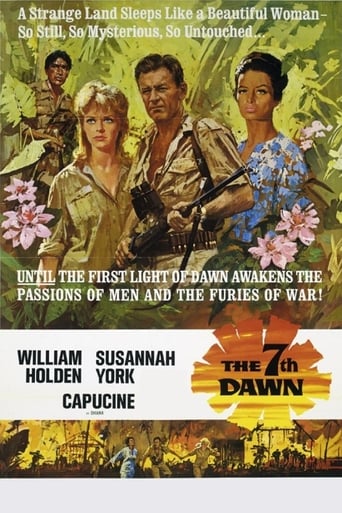
Tetsuro Tamba (July 17, 1922 – September 24, 2006) was a distinguished Japanese actor known for his versatile talent across five decades. Recognized globally for his portrayal of Tiger Tanaka in the iconic 1967 James Bond film "You Only Live Twice," Tamba's cinematic journey was a remarkable blend of cultural bridges. Before embarking on his acting career, Tamba worked as an interpreter for the Allied Powers' Supreme Commander. Graduating from Chuo University in 1948, he later joined Shintoho company, making his debut in the film Satsujin Yougishain in 1951. Tamba's impact on Western audiences extended beyond Bond, with standout performances in films like Bridge to the Sun and The 7th Dawn…
Known for
 9.5
9.5No synopsis available yet.
Yonimo Kimyou na Monogatari Tokubetsuhen
1990
 6.6
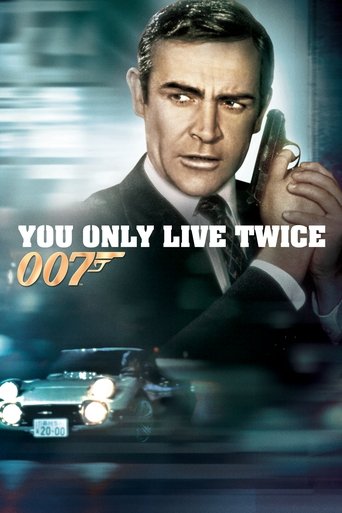
6.6A mysterious spacecraft captures Russian and American space capsules and brings the two superpowers to the brink of war. James Bond investigates the case in Japan and comes face to face with his archenemy Blofeld.
You Only Live Twice
1967
 NR
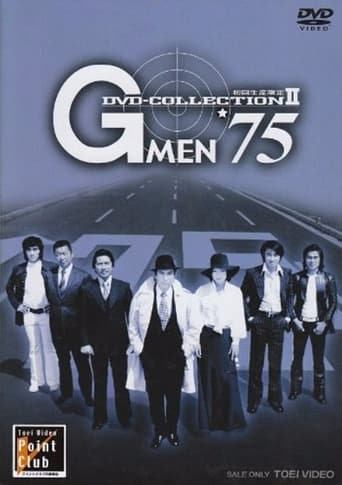
NRG-Men '75 was a long-running prime-time television detective series in Japan. It aired on Saturday nights in the 9:00–9:54 p.m. time slot on the Tokyo Broadcasting System network from May 24, 1975 to April 3, 1982. A sequel, G-Men '82, followed, as did various specials. With several updates and cast changes, it included 355 episodes. The story revolved around an investigative organ, the G-Men. The principal character, who spanned the entire series, was Superintendent Kuroki. Portrayed by Tetsuro Tamba, Kuroki directed the members of the group. The original cast also included Yasuaki Kurata as Detective Kusano, trained in karate. Gō Wakabayashi joined in Episode 105, and remained to the end of the series. His character, Lieutenant Tachibana, replaced a detective who was written out of the script. Many more actors and actresses took regular roles in the series over the years. Gō Ibuki, Maria Mori, Mari Natsuki, Hiroshi Miyauchi, Takeshi Kaga, Bunjaku Han, and Kyōko Enami were among them. Shunsuke Kikuchi wrote the opening theme songs. Various artists, including some cast members, wrote and performed the closing songs. Among the actresses who sang were Mari Natsuki, Bun-jaku Han, and Kyōko Enami. For most years, the lyrics were by Junya Sato, set to music by Shunsuke Kikuchi. Veteran announcer Takayuki Akutagawa narrated the series.
G-Men '75
1975
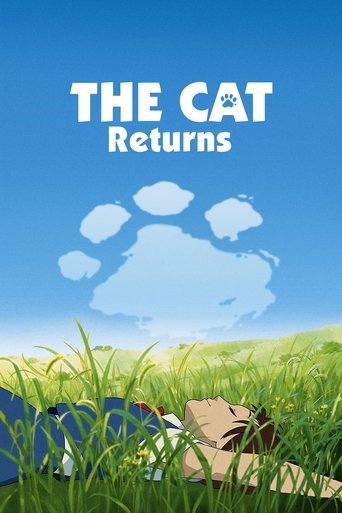 7.1
7.1Young Haru rescues a cat from being run over, but soon learns it's no ordinary feline; it happens to be the Prince of the Cats.
The Cat Returns
2002
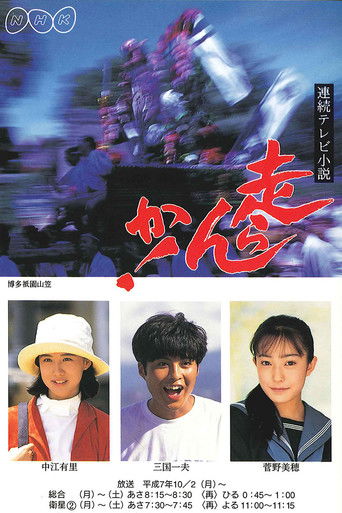 NR
NRSet in Hakata, the series is about a young man who wants to play rock music even though his father expects him to follow him in making Hakata ningyou (a traditional Japanese clay doll). One of the few Asadora starring a male character.
Hashiran ka!
1995
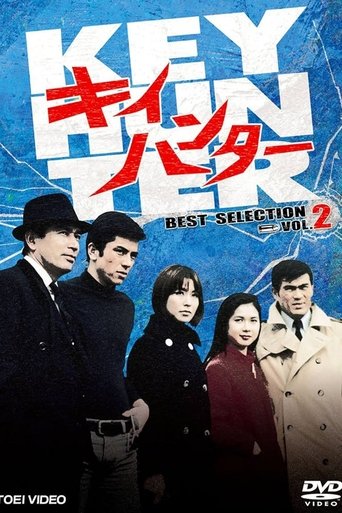 7.0
7.0Key Hunter is a prime-time Japanese television detective series. It aired on Saturday nights in the 9:00–9:56 p.m. time slot on the Tokyo Broadcasting System network from April 6, 1968 to April 7, 1973. There were a total of 262 episodes, and it was one of the most popular action dramas in Japan at the time. The story involved "Key Hunter", a special clandestine unit of the International Police, which endeavored to solve various crimes. "Key Hunter" was a unique TV show, which started out as a grand scale spy thriller never before seen in Japan. The episodes were individually themed on global crimes and political strife. The initial hardboiled theme later evolved to include intellectual elements involving action, and occasionally with comical elements as well. Tetsuro Tamba starred in the 1967 film You Only Live Twice as Japanese Secret Service agent Tiger Tanaka, an ally of James Bond. This role greatly influenced his image in "Key Hunter".
Key Hunter
1968
Film credits
2000s · 6 titles
7.1Young Haru rescues a cat from being run over, but soon learns it's no ordinary feline; it happens to be the Prince of the Cats.
The Cat Returns
2002
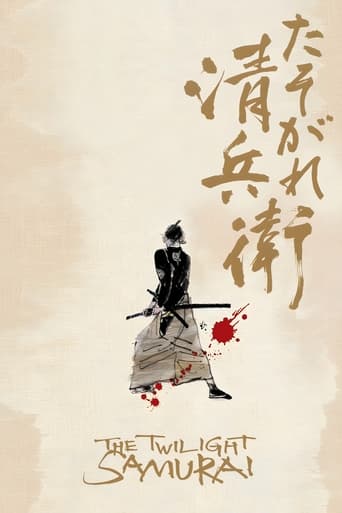 7.8
7.8Seibei Iguchi leads a difficult life as a low ranking samurai at the turn of the nineteenth century. A widower with a meager income, Seibei struggles to take care of his two daughters and senile mother. New prospects seem to open up when the beautiful Tomoe, a childhood friend, comes back into he and his daughters' life, but as the Japanese feudal system unravels, Seibei is still bound by the code of honor of the samurai and by his own sense of social precedence. How can he find a way to do what is best for those he loves?
The Twilight Samurai
2002
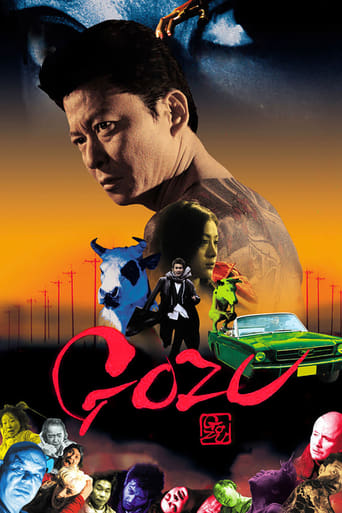 6.8
6.8Minami mistakenly kills a gangster associate of his named Brother. Almost as soon as the murder takes place, the body of the deceased man is gone, prompting Minami to conduct a search. While looking, he finds a mysterious isolated hotel where he decides to take a rest. Not only are the front desk clerks a bit strange, but even the ambiance feels unusual. Minami soon realizes he may have gotten more than he bargained for.
Gozu
2003
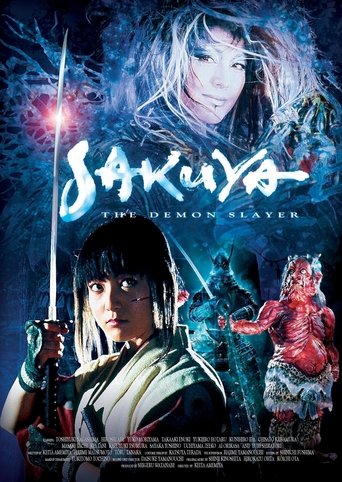 6.2
6.2The eruption of Mt. Fuji in 1707 released hordes of demons from deep inside the earth. Sakuya, the young daughter of a samurai killed fighting these demons, accepts a mission to travel to Mt. Fuji and defeat them. Accompanying her on her journey are two veteran warriors and Tarō, a young kappa whom she has adopted as her little brother. Along the way, the two warriors have doubts about Tarō’s loyalties, and the young kappa himself must decide if he will stand with his own species or with the humans who have cared for him.
Sakuya: The Slayer of Demons
2000
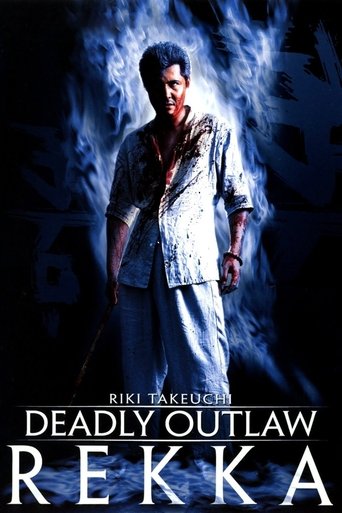 6.6
6.6After Kunisada's Yakuza leader and father figure is brutally murdered, he and his best friend go on a two-man mission to avenge his death, killing other Yakuza leaders leading to a final confrontation by the old man's killers.
Deadly Outlaw: Rekka
2002
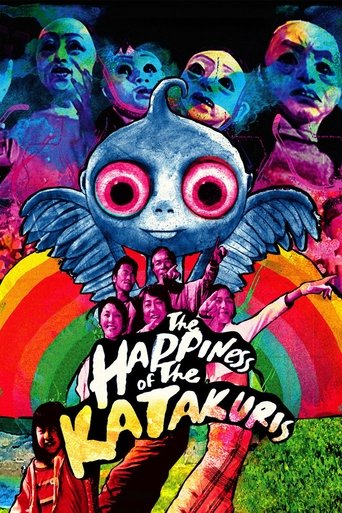 6.9
6.9The Katakuri family has just opened their guest house in the mountains. Unfortunately their first guest commits suicide and in order to avoid trouble they decide to bury him in the backyard. Things get way more complicated when their second guest, a famous sumo wrestler, dies while having sex with his underage girlfriend and the grave behind the house starts to fill up more and more.
The Happiness of the Katakuris
2002
1990s · 4 titles
 6.8
6.8In 2001, where all correctional facilities have been privatized, martial artist Ricky finds himself victim to the corrupt system, found "guilty" of the manslaughter of an infamous crime boss.
Riki-Oh: The Story of Ricky
1991
 6.4
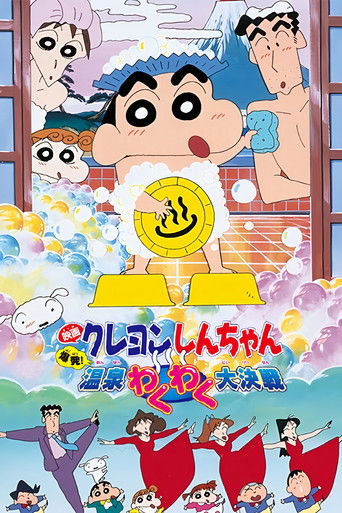
6.4There's only one way to stop a filthy evil scientist from destroying the world, and it's with a powerful hot spring located under Shin-chan's house!
Crayon Shin-chan: Explosion! The Hot Spring's Feel Good Final Battle
1999
 5.9
5.9Rin Jyoshima lost her father to death-by-gambling; years later, she's grown up in the Kosugi household and has fallen victim to gambling herself.
Heat Wave
1991
 4.9
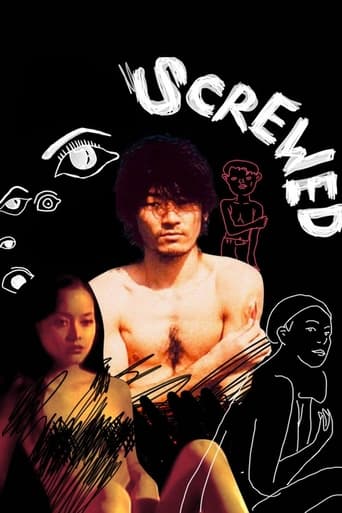
4.9It has been two years since unsuccessful cartoonist Tsube started to live with Kuniko casually in a small apartment.
Screwed
1998
1980s · 16 titles
 7.4
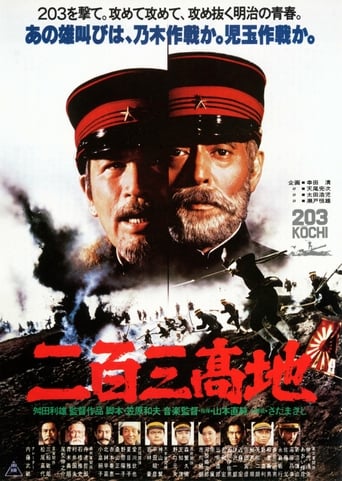
7.4Depicts the bloody siege of the fortress of Port Arthur, one of the most strongly fortified positions in the world, during the Russo-Japanese War of (1904 - 1905). In the story dominated the character Lt Takeshi Kogyo (Teruhiko Aoi), teachers, and a reserve officer who became commander of the platoon and later company. At the same time monitors the conduct of the army commander general Nogi (Tatsuya Nakadai), which was commissioned of the emperor Matsuhito (Toshirô Mifune) to the conquest of the fort.
Port Arthur
1980
 5.9
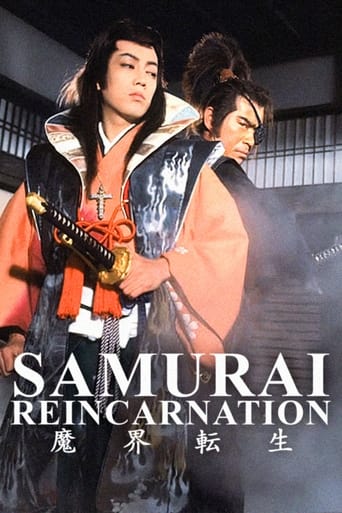
5.9After surviving the slaughter of many Christians 350 years ago, a samurai denounces God for ignoring the pleas of believers. He sells his soul to Satan and receives the power to resurrect the dead to join him in a murderous rampage.
Samurai Reincarnation
1981
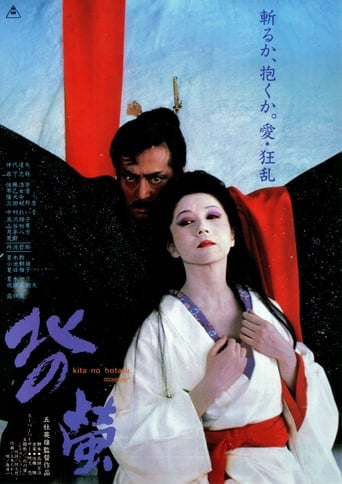 5.6
5.6Set in the icy wilderness of Hokkaido during the early days of the Meiji era, where the brutal warden of Kabato Prison terrorizes convicts sentenced to forced labor to build the roads needed to open up the territory.
Fireflies in the North
1984
 7.3
7.3Based on the "2.26 Incident", an attempted coup d'état in Japan 1936, launched by radical ultra-nationalist parts of the military. Several leading politicians were killed and the center of Tokyo was briefly held by the insurgents before the coup was suppressed.
Four Days of Snow and Blood
1989
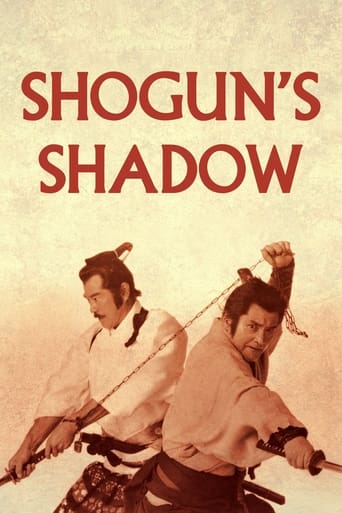 6.9
6.9A shogun's eldest son must do whatever it takes to survive a series of attempts on his life. He receives much-needed aid from seven warriors who are led by a strong leader.
Shogun's Shadow
1989
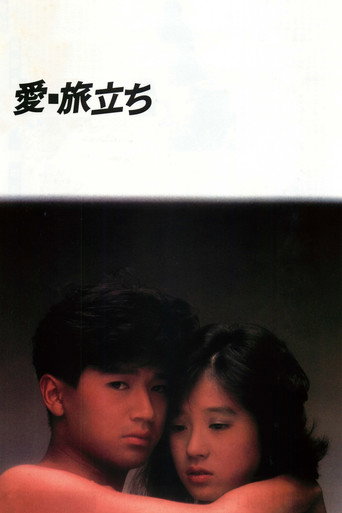 4.7
4.7A girl suffering from an incurable disease get in a coma, while her boyfriend visit her to the hospital, she visits the beyond.
Love: Starting on a Journey
1985
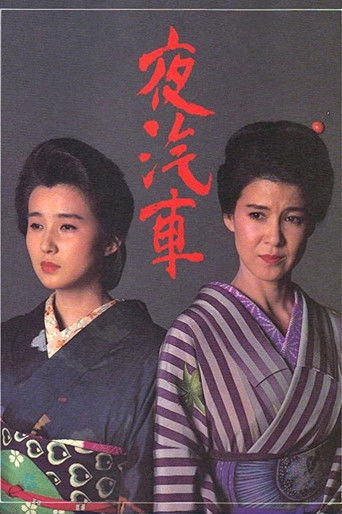 3.7
3.7A woman faces betrayal, which tests her love.
Night Train
1987
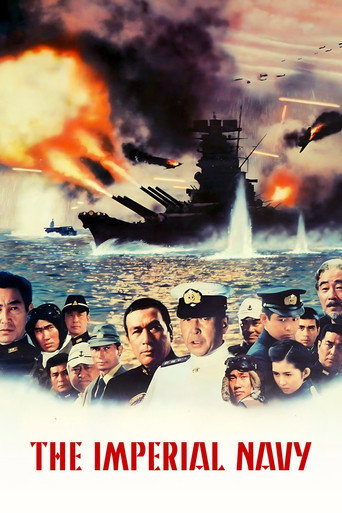 6.6
6.6A lavish retelling of the true story of the final voyage and ultimate destruction and sinking of the battleship Yamato, Japan's greatest flagship during the Second World War.
The Imperial Navy
1981
 5.3
5.3A steel samurai blade that was to be given to the American ambassador by the Emperor of Japan is stolen. American sailors and Japanese samurai are sent to find it.
The Bushido Blade
1981
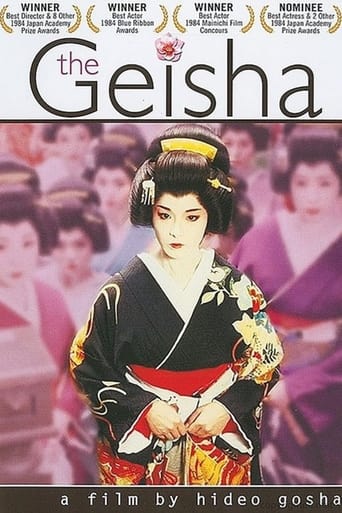 5.6
5.6Yokiro was the most successful Geisha house in Western Japan during the first half of the 20th century and remains open to this day. At its peak, it was home to over 200 geisha, however behind the fabulous facade, there were many battles - between family members, men and women, and with the Yakuza. Momokawa was sold to Yokiro at age 12, and despite being the top geisha, her many complicated relationships provide unending challenges throughout her glamorous but turbulent life.
The Geisha
1983
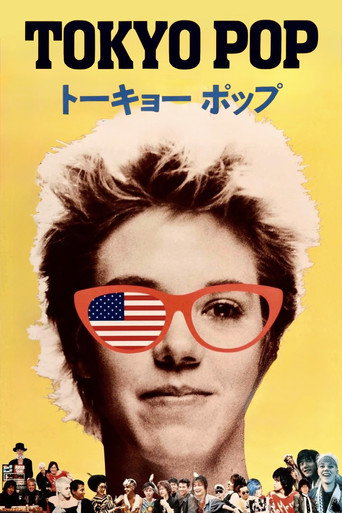 6.9
6.9A young rock singer is not appreciated by her band, and gets a postcard from Japan saying "wish you were here". She takes what little money she has including ex-boyfriend's rent money and goes to Tokyo. She has numerous cross-cultural adventures and ends up singing with a Japanese rock group looking for a gaijin gimmick.
Tokyo Pop
1988
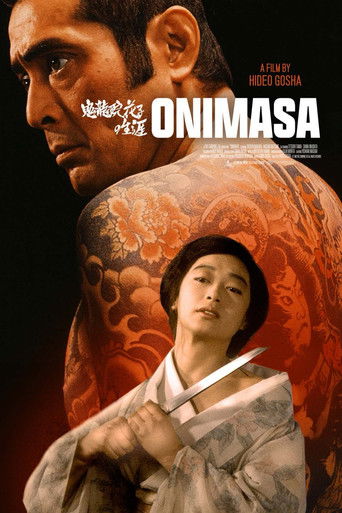 6.2
6.2Onimasa is the egocentric boss of a small yakuza clan on Shikoku Island, whose criminal duties conflict with his self-image as a chivalrous samurai. His struggles with his boss, the Shikoku Godfather, and the tumultuous life of his adopted daughter, Matsue, form the backdrop of this epic tale of justice, obedience, and bloody vengeance.
Onimasa: A Japanese Godfather
1982
 6.2
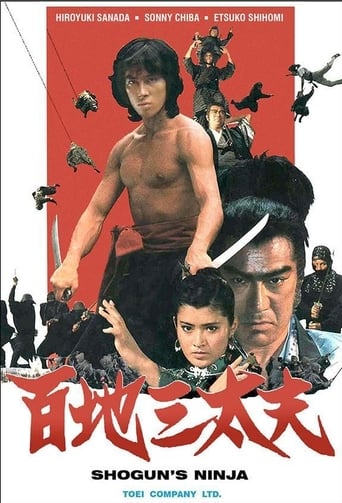
6.2In the middle of the 16th century, Hideyoshi, a power hungry warlord sets out to destroy the Momochi clan. He sends his war commander in search of the clan's hidden gold only to find that two daggers are the key to the hiding place of the treasured gold. Spanning decades, the quest for the missing daggers takes Shiranui through war and ancient tradition.
Shogun's Ninja
1980
 7.7
7.7The story of Japan's victory in the battle of Tsushima Strait.
Battle Anthem
1983
 6.4
6.4Ryōko Itakura returns as the tough-as-nails government taxing agent. This time she must figure out a way to expose a fanatical religious cult lead by a corrupt sociopath.
A Taxing Woman's Return
1988
 7.5
7.5Naomi, a corporate heiress from Japan, vacations to Hong Kong with her two colleagues. Bored, she sneaks out to visit the city and befriends a local rock band and, appreciative of the company, later helps the members with their debit issues. Meanwhile, Naomi's colleagues received news that the big boss of their company succumbed to a heart attack and that Naomi must sign a document to prevent the company from being turned over to a corrupt executive. The colleagues try to locate Naomi, just as a relationship develops between her and the band leader.
You're My Destiny
1987
1970s · 19 titles
 7.3
7.3Two detectives are tasked to investigate the murder of an old man, found bludgeoned to death in a Tokyo rail yard.
The Castle of Sand
1974
 7.6
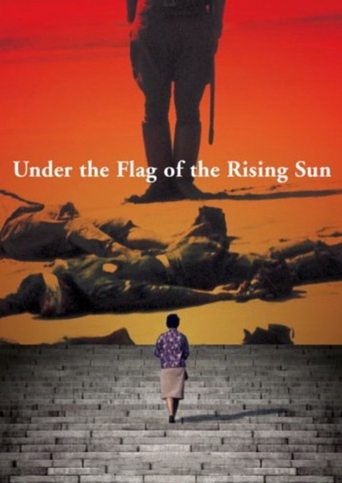
7.6A war widow determined to clear the name of her disgraced husband, who was court-martialed for desertion and executed. Official records have been destroyed, and the ministry that distributes benefits continues to deny her a pension. Twenty-six years after the war, she seeks out four survivors of her husband's garrison. Each tells a dramatically different story about her husband's conduct, but she is determined to learn the truth.
Under the Flag of the Rising Sun
1972
 7.0
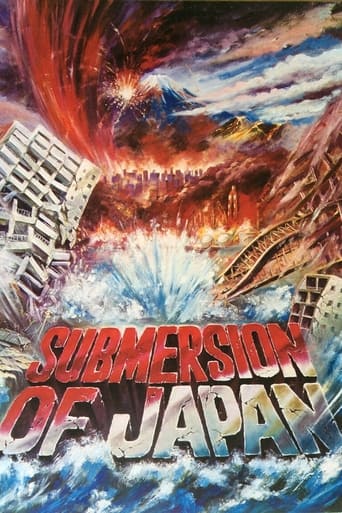
7.0A team of geophysicists investigating seismic activity on the seafloor discover that the islands of Japan, after suffering from massive volcanic eruptions and earthquakes, will be pulled into the ocean, killing millions.
Submersion of Japan
1973
 5.7
5.7Professor Nishiyama, after studying and interpreting the prophecies of Nostradamus, realizes that the end of the world is at hand. Unfortunately, nobody listens to him until it is too late. As the effects of mankind's tampering of the earth - radioactive smog clouds, hideously mutated animals, destruction of the ozone layer - rage out of control, the world leaders hurtle blindly toward the final confrontation. The film sparked controversy in Japan and was subsequently pulled out of circulation, with no official video release of the uncut film.
Prophecies of Nostradamus
1974
 6.9
6.9A Japanese bullet train is threatened with a bomb that will explode automatically if the train slows below 80 km/h, unless a ransom is paid. Police race to find the bombers so the train crew can learn how to defuse the bomb.
The Bullet Train
1975
 6.4
6.4Agent Zero is a cop that uses her own methods for dealing with criminals. After she unlawfully kills a rapist in a violent fashion, she is sent to prison and stripped of her badge. But very soon after, a rich politician's daughter is kidnapped by a ruthless gang. Agent Zero is let out of prison with the mission of going undercover to find the politician's daughter and return her safely. Using her deadly red handcuffs, she disposes of the criminals one by one.
Zero Woman: Red Handcuffs
1974
 6.6
6.6Two infantry regiments of the Imperial Japanese Army—210 men overall—tackled Mt. Hakkoda in the winter of 1902 to prepare for war with Russia.
Mount Hakkoda
1977
 7.0
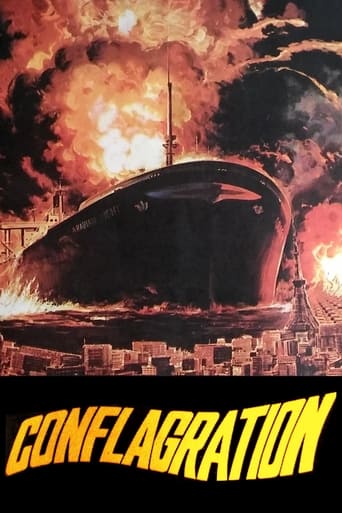
7.0Global South guerrillas hijack the Japanese oil tanker Arabian Light, threatening to blow it up in Tokyo Bay, unless the Cabinet complies with an economically devastating ultimatum.
Conflagration
1975
 7.2
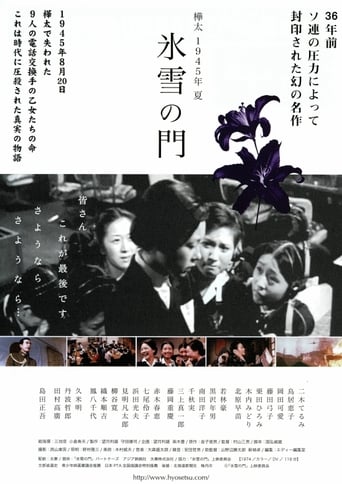
7.2The film is set in Karafuto after the radio broadcast of the Imperial Rescript on the Termination of the War. On August 15, 1945, Soviet forces invaded Karafuto. On August 20, the postal telegraph office in Maoka suspended operations and nine of the twelve telephone operators committed suicide by taking potassium cyanide while the city was being invaded.
Karafuto 1945 Summer
1974
 NR
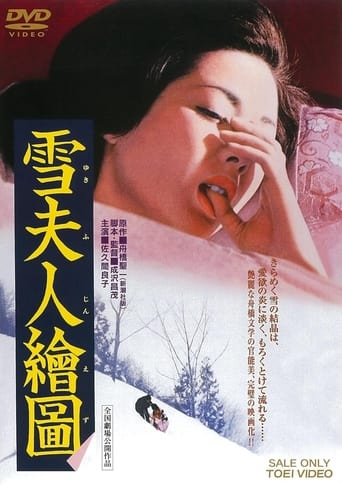
NRSet against the dramatic backdrop of the downfall of an old aristocratic family, this is the story of its last representant: Lady Yuki.
A Picture of Madame Yuki
1975
 6.6
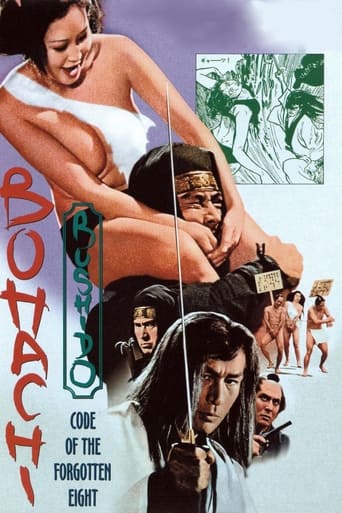
6.6A Ronin with a death wish reluctantly joins the Clan of the Forgotten Eight, a nasty crew of ronin who are wrapped up in a clan war over local prostitution.
Bohachi Bushido: Code of the Forgotten Eight
1973
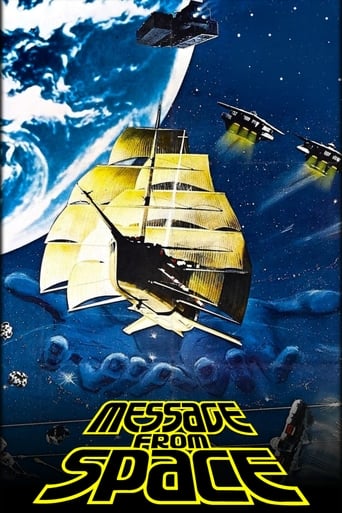 5.9
5.9The peaceful planet of Jillucia has been nearly wiped out by the Gavanas, whose leader takes orders from his mother rather than the Emperor. King Kaiba sends out eight Liabe holy seeds, each to be received by a chosen one to defend the Gavanas. Each recipient, ranging from hardened General Garuda to Gavana Prince Hans to young Terrans Meia, Kido, and Aaron all have different reactions to being chosen.
Message from Space
1978
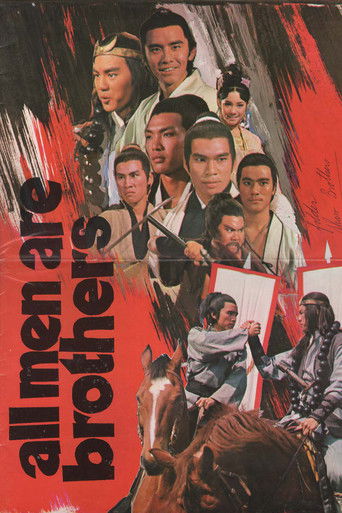 7.0
7.0Based on one of China's enduring epic novels, written in the 14th century, "All Men Are Brothers" continues the patriotic story of righteous warriors battling despotic leaders, featuring mythic characters familiar to every Chinese, and with a cast that has achieved an equally celebrated status among Shaw Brothers devotees.
All Men Are Brothers
1975
 6.8
6.8The corruption in the Sung Dynasty of 11th century China is so rampant that it inspires a band of Oriental Robin Hoods - the Honorable 108. Mountain bandits who nevertheless live by a scrupulous code of conduct, the Honorable 108 pledge to end the repression of the brutal overlords.
The Water Margin
1972
 7.2
7.2In 17th-century Japan, two Portuguese Jesuit priests seek their mentor, who is rumoured to have committed apostasy, and to propagate Catholicism.
Silence
1971
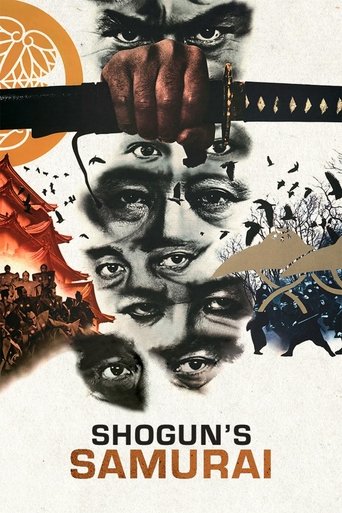 7.0
7.0Following the death of the second Tokugawa shogun, it is revealed that he was poisoned by retainers of his son Iemitsu in hopes of gaining him the shogunate despite the stammer and birthmark which undermine his respect. Iemitsu and his brother Tadanaga become bitter rivals for the shogunate, and the land is split into factions, eventually erupting into warfare. Iemitsu's mentor, his fencing instructor Yagyu, is fixated upon securing Iemitsu the shogunate and ends up betraying everyone, even his own family, in pursuit of the goal.
Shogun's Samurai: The Yagyu Clan Conspiracy
1978
 7.3
7.3In the teeming black markets of postwar Japan, Shozo Hirono and his buddies find themselves in a new war between factious and ambitious yakuza.
Battles Without Honor and Humanity
1973
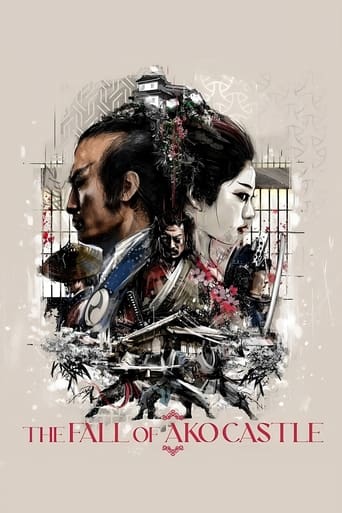 6.8
6.8This is the story of "The Forty-Seven Ronin." Based on historical events in 1701-2, the movie tells the tale of the Asano clan's downfall and the revenge of its former samurai on the perpetrator of the catastrophe. Lord Asano was goaded, or tricked, into drawing his sword inside the Shogun's palace -- a crime which carried the death penalty. The newly installed Shogun was furious at Asano and ordered all his clan's assets seized, meaning some 20,000 samurai and commoners were unemployed and landless at a stroke. Forty-seven of these ronin (masterless samurai) banded together to take attempt revenge on Lord Kira, who had goaded Asano into drawing his sword.
The Fall of Ako Castle
1978
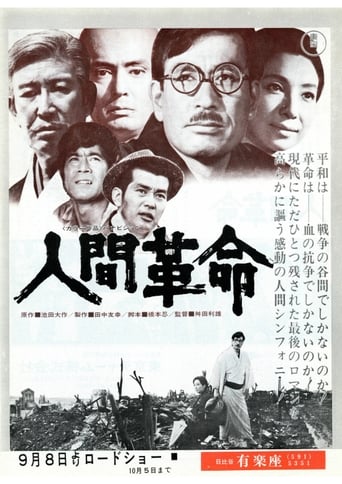 7.0
7.0No synopsis available yet.
The Human Revolution
1973
1960s · 14 titles
6.6A mysterious spacecraft captures Russian and American space capsules and brings the two superpowers to the brink of war. James Bond investigates the case in Japan and comes face to face with his archenemy Blofeld.
You Only Live Twice
1967
 8.5
8.5Down-on-his-luck veteran Tsugumo Hanshirō enters the courtyard of the prosperous House of Iyi. Unemployed, and with no family, he hopes to find a place to commit seppuku—and a worthy second to deliver the coup de grâce in his suicide ritual. The senior counselor for the Iyi clan questions the ronin’s resolve and integrity, suspecting Hanshirō of seeking charity rather than an honorable end. What follows is a pair of interlocking stories which lay bare the difference between honor and respect, and promises to examine the legendary foundations of the Samurai code.
Harakiri
1962
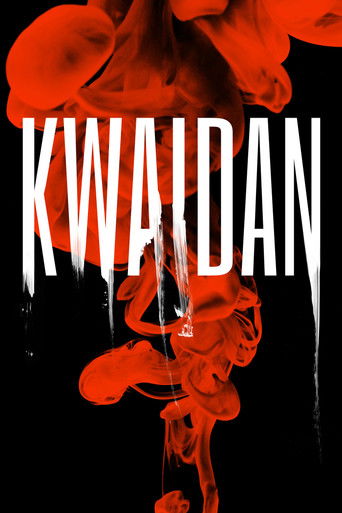 7.7
7.7Taking its title from an archaic Japanese word meaning "ghost story," this anthology adapts four folk tales. A penniless samurai marries for money with tragic results. A man stranded in a blizzard is saved by Yuki the Snow Maiden, but his rescue comes at a cost. Blind musician Hoichi is forced to perform for an audience of ghosts. An author relates the story of a samurai who sees another warrior's reflection in his teacup.
Kwaidan
1965
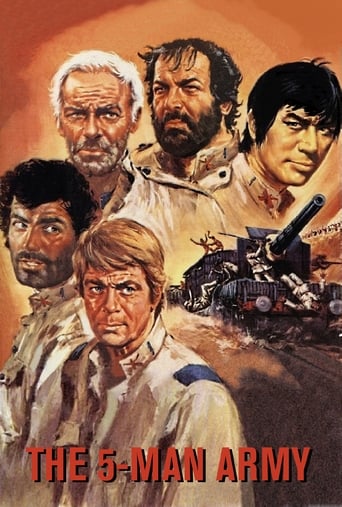 6.6
6.6At the behest of local revolutionaries, a mercenary enlists four specialists in various combat styles to help him rob a Mexican Army train carrying $500,000 in gold.
The 5-Man Army
1969
 7.5
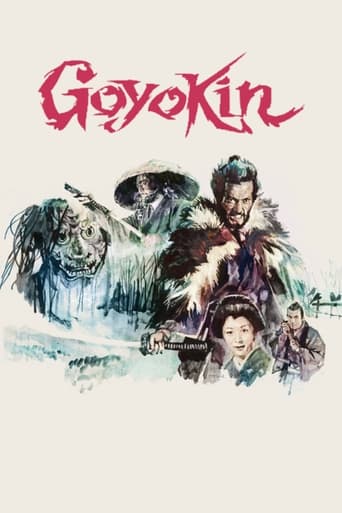
7.5A guilt-haunted samurai warrior attempts to stop a massacre taking place.
Goyokin
1969
 7.1
7.1In the city of Yokosuka, Kinta and his lover Haruko, both involved with yakuza, brave the post-occupation period with a goal to be together.
Pigs and Battleships
1961
 6.5
6.5Political and personal intrigues surround a group of characters in Malaya, after the close of the Second World War.
The 7th Dawn
1964
 7.5
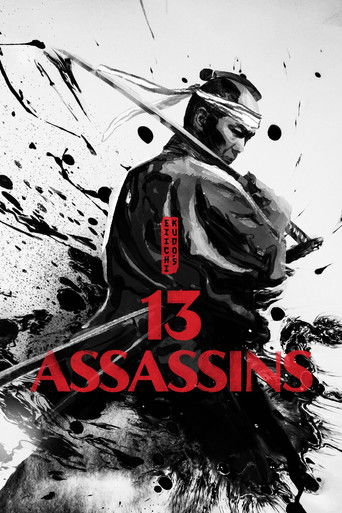
7.5A sadistic Daimyo (feudal lord) rapes a woman and murders both her and her husband, but even when one of his own vassals commits suicide to bring attention to the crime, the matter is quickly hushed up. Not only will there be no punishment, but because the Daimyo is the Shogun's younger brother, he will soon be appointed to a high political position from which he could wreak even more havoc. Convinced that the fate of the Shogunate hangs in the balance, a plot is hatched to assassinate the Daimyo. The two most brilliant strategic minds of their generation find themselves pitted against each other; one is tasked to defend a man he despises, and has a small army at his disposal. The other is given a suicide mission, and has 12 brave men. They are the 13 Assassins.
13 Assassins
1963
 7.5
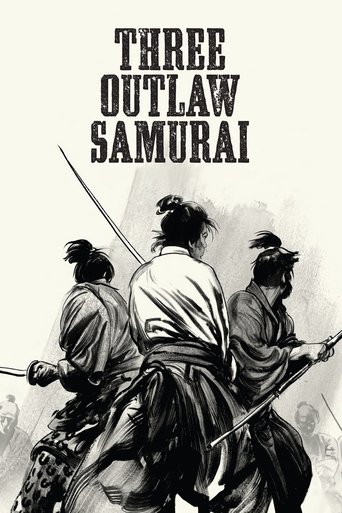
7.5Shiba, a wandering ronin, encounters a band of peasants who have kidnapped the daughter of their dictatorial magistrate, in hopes of coercing from him a reduction in taxes. Shiba takes up their fight, joined by two renegades from the magistrate's guard, Sakura and Kikyo. The three outlaws find themselves in a battle to the death.
Three Outlaw Samurai
1964
 6.9
6.9A detective tries to outwit an art loving thief who has kidnapped the daughter of a jeweler to get to an exquisite diamond.
Black Lizard
1968
 6.0
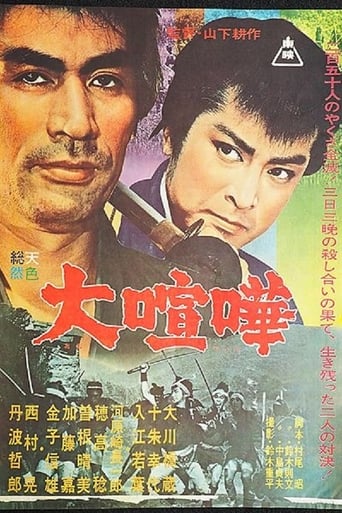
6.0In this gritty tale of gamblers battling in the samurai era, Okawa Hashizo gives perhaps his greatest performance as a gambler returning to his home town. Swearing allegiance to his fiancée’s father, a decent boss, he had taken to the road after a gang fight until things cooled down. While honing his sword skills in his travels, everything in the town had changed and he descended into a virtual hell of violence. Opponents were being slaughtered by a former samurai ‘Bodyguard’ played by Tanba Tetsuro at the height of his amazing career. While these two master swordsmen are fated to meet, before that can even happen they must survive one of the longest, bloodiest swordfights in movie history!
Giant Rumble
1964
 6.4
6.4Years of warfare end in a Japan unified under the Tokugawa shogunate, and samurai spy Sasuke Sarutobi, tired of conflict, longs for peace. When a high-ranking spy named Tatewaki Koriyama defects from the shogun to a rival clan, however, the world of swordsmen is thrown into turmoil. After Sasuke is unwittingly drawn into the conflict, he tracks Tatewaki, while a mysterious, white-hooded figure seems to hunt them both. By tale’s end, no one is who they seemed to be, and the truth is far more personal than anyone suspected. Director Masahiro Shinoda’s Samurai Spy, filled with clan intrigue, ninja spies, and multiple double crosses, marks a bold stylistic departure from swordplay film convention.
Samurai Spy
1965
 7.2
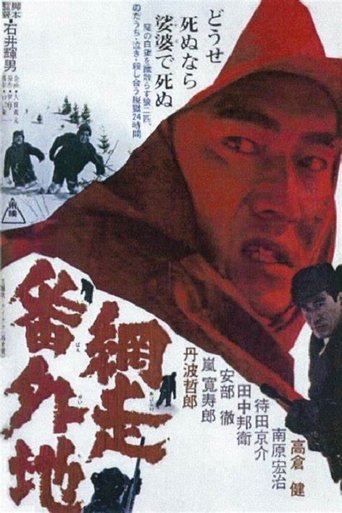
7.2Abashiri Prison is located in the coldest place in Japan. Two men, handcuffed together have escaped from the prison, one a yakuza, the other a petty criminal, and although they hate each other they must work together if they are to evade capture in this harshest of climates.
Abashiri Prison
1965
 NR
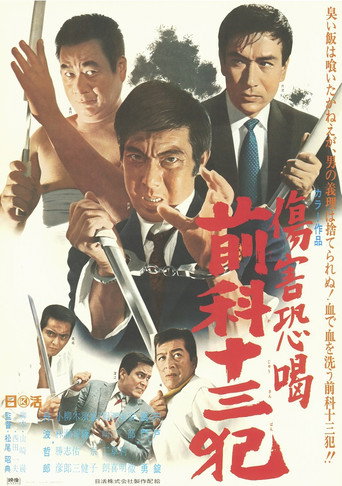
NRMineoka Group executive Okitsu Seiji is imprisoned for the 13th time for attacking rival Kuronuma. While in prison, he learns that the Kuronuma Group has retaliated by killing its leader and seizing territory. Upon his release, he embarks on a revenge campaign.
Thirteen Times a Loser
1969
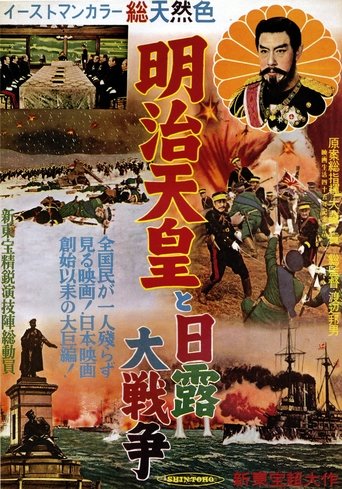
Series credits
9.5No synopsis available yet.
Yonimo Kimyou na Monogatari Tokubetsuhen
1990
NRG-Men '75 was a long-running prime-time television detective series in Japan. It aired on Saturday nights in the 9:00–9:54 p.m. time slot on the Tokyo Broadcasting System network from May 24, 1975 to April 3, 1982. A sequel, G-Men '82, followed, as did various specials. With several updates and cast changes, it included 355 episodes. The story revolved around an investigative organ, the G-Men. The principal character, who spanned the entire series, was Superintendent Kuroki. Portrayed by Tetsuro Tamba, Kuroki directed the members of the group. The original cast also included Yasuaki Kurata as Detective Kusano, trained in karate. Gō Wakabayashi joined in Episode 105, and remained to the end of the series. His character, Lieutenant Tachibana, replaced a detective who was written out of the script. Many more actors and actresses took regular roles in the series over the years. Gō Ibuki, Maria Mori, Mari Natsuki, Hiroshi Miyauchi, Takeshi Kaga, Bunjaku Han, and Kyōko Enami were among them. Shunsuke Kikuchi wrote the opening theme songs. Various artists, including some cast members, wrote and performed the closing songs. Among the actresses who sang were Mari Natsuki, Bun-jaku Han, and Kyōko Enami. For most years, the lyrics were by Junya Sato, set to music by Shunsuke Kikuchi. Veteran announcer Takayuki Akutagawa narrated the series.
G-Men '75
1975
NRSet in Hakata, the series is about a young man who wants to play rock music even though his father expects him to follow him in making Hakata ningyou (a traditional Japanese clay doll). One of the few Asadora starring a male character.
Hashiran ka!
1995
7.0Key Hunter is a prime-time Japanese television detective series. It aired on Saturday nights in the 9:00–9:56 p.m. time slot on the Tokyo Broadcasting System network from April 6, 1968 to April 7, 1973. There were a total of 262 episodes, and it was one of the most popular action dramas in Japan at the time. The story involved "Key Hunter", a special clandestine unit of the International Police, which endeavored to solve various crimes. "Key Hunter" was a unique TV show, which started out as a grand scale spy thriller never before seen in Japan. The episodes were individually themed on global crimes and political strife. The initial hardboiled theme later evolved to include intellectual elements involving action, and occasionally with comical elements as well. Tetsuro Tamba starred in the 1967 film You Only Live Twice as Japanese Secret Service agent Tiger Tanaka, an ally of James Bond. This role greatly influenced his image in "Key Hunter".
Key Hunter
1968
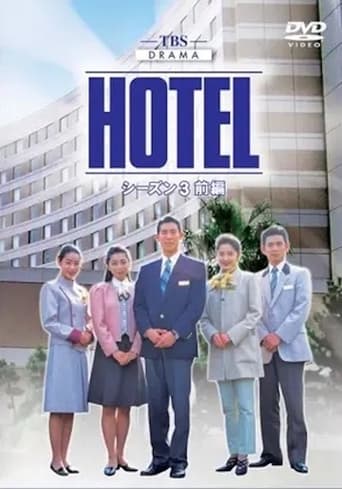 NR
NRNo synopsis available yet.
HOTEL
1990
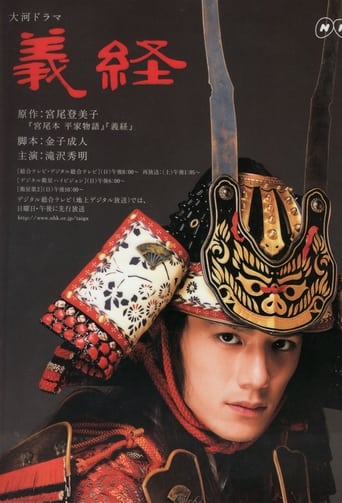 8.3
8.3Yoshitsune is a Japanese television drama series originally broadcast between 9 January and 11 December 2005, with a three-part special compilation being aired from 24 December to 25 December 2005. The 44th Taiga Drama, the original work is by Miyao Tomiko, screenplay by Kaneko Narito and starring Hideaki Takizawa.
Yoshitsune
2005
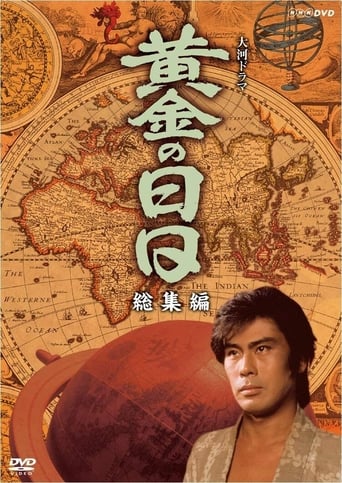 NR
NRLuzon Sukezaemon is a merchant who imports vases from the Philippines. The vases are highly valued as tea utensils and he makes a huge profit. This was the first taiga drama to concentrate on the lives of commoners and the reviled merchant class of the Tokugawa period. It documents the rise and fall of the merchant city of Sakai, as seen by its most famous resident, the semilegendary Luzon.
Ōgon no Hibi
1978
 8.3
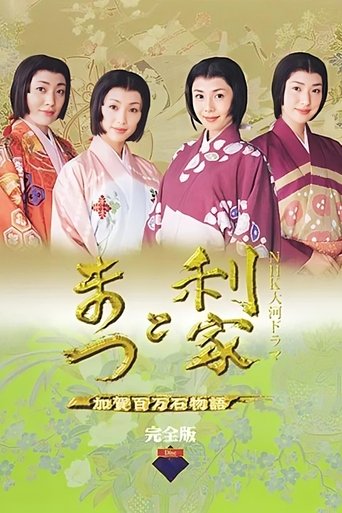
8.3The 41st NHK Taiga Drama is Toshiie to Matsu. During the turbulent Warring States Era, one man's life and career intertwined with the three great generals of Japanese history-Nobunaga, Hideyoshi, and Ieyasu. With political savvy and the support of his fiercely loyal wife, Maeda Toshiie rose to second in power in the shogunate and built up a fiefdom that encompassed Echizen, Noto and Kaga.
Toshiie and Matsu
2002
 6.0
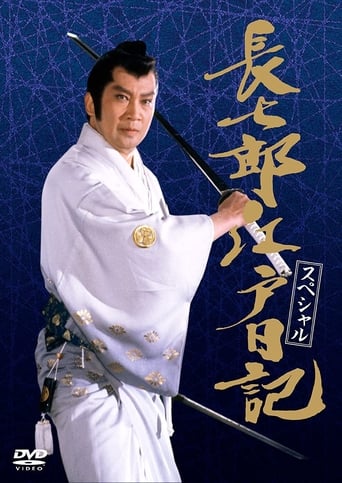
6.0Choshichiro Nagayori Matsudaira is the son of Tadanaga Tokugawa, which makes him a nephew of the Shogun. Tadanaga died as a result of an alleged plot to overthrow his elder brother, the third shogun Tokugawa Iemitsu. Because of Choshichiro’s complicated background, he lives among the commoners in the shogunal capital city of Edo, punishing the evil when he sees wrongdoings and injustice.
Masked Blade
1983
 6.8
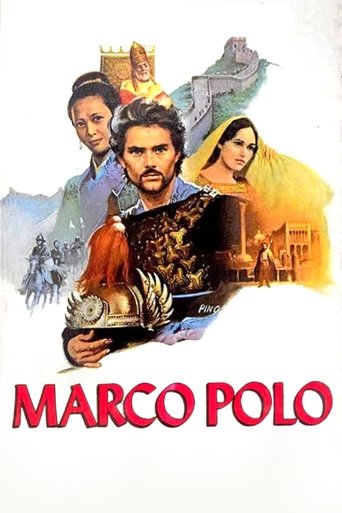
6.8The life of the 13th-century Venetian explorer who sought to connect the civilizations of China and Europe through trade.
Marco Polo
1982
 NR
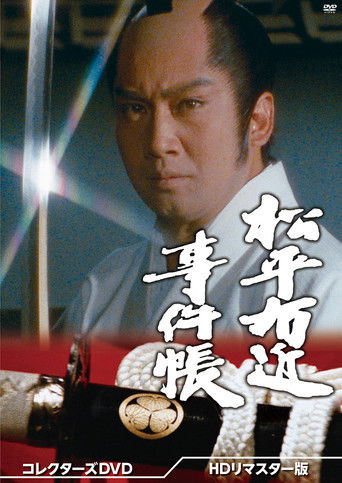
NRIn this gripping period drama, Matsudaira Ukon, the younger brother of the 11th Tokugawa Shogun Ienari, lives in the city as Yabutaro, a doctor in the Ukiyo Koji district, while fighting the evil that has infested the city of Edo.
Matsudaira Ukon Jikencho
1982
 NR
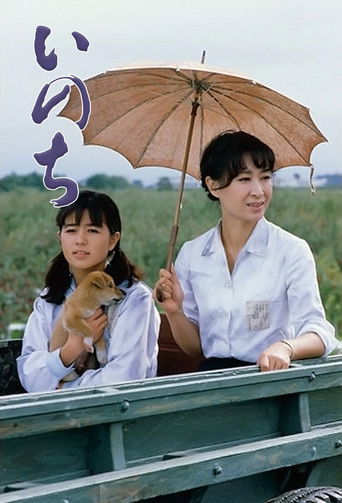
NRThe drama begins in August 1945, three days after the end of the Pacific war. A freight train completely jam-packed with passengers heads for Aomori from devastated Tokyo. On the train is Takahara Miki and her sister Sachi. Miki and Sachi are the daughters of a wealthy landlord living in a village in the Tsugaru area in Aomori prefecture, but they have been living in Tokyo since before the war to attend school. After seeing her village does not have a doctor, Miki is determined to become a rural doctor.
Inochi
1986
 8.0
8.0Zankuro Matsudaira (Ken Watanabe) is a low-grade vassal of the Tokugawa Shogun, forced to moonlight as a bodyguard and executioner to make ends meet. He also has a drinking problem, an overeating mother, and a propensity to protect the oppressed, all of which eat into his finances. His confident mother Masajo (Kyoko Kishida) is the descendant of a famous family of shogunate retainers and a mistress of the pen and sword, who regards her son as a failure.
Gokenin Zankuro
1995
 NR
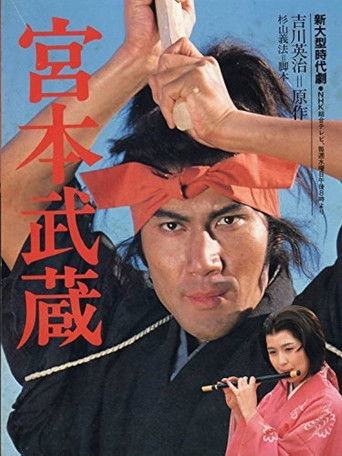
NRNo synopsis available yet.
水曜ドラマ 宮本武蔵
1984
 8.0
8.0The drama tells the story of the Sanada family. Originally serving the Takeda Clan they ruled the northern district of Shinano. The story begins right after the death of Takeda Shingen, continues through the rise of Tokugawa Ieyasu who founded the Tokugawa shogunate and covers roughly the period 1580-1610.
Sanada Taiheiki
1985
 5.7
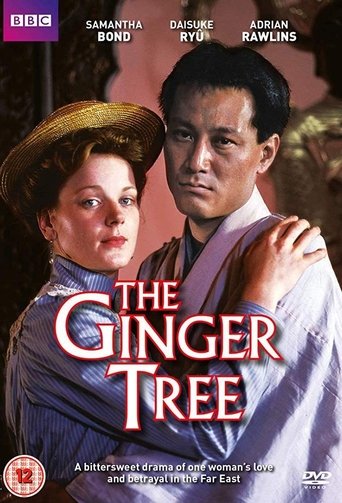
5.7In 1903, a young Scotswoman goes to join her diplomat fiancé in Manchuria. She marries him, and finds herself in a war zone. Disenchanted with her husband, she falls in love with a married Japanese nobleman, Count Kentaro Kurihama, and bears him a son. She carves out a life for herself in Japanese society, despite the hardships and ostracism she faces as both a Westerner and a woman.
The Ginger Tree
1989
 NR
NRA romantic comedy set in a high school in Kamakura. Ekiden Club member Yutaro Takagi and Beth Green, an exchange student from the US enrolled in the same class, are married internationally due to certain circumstances, which puts them in a difficult position, and the drama depicts their lives and the various events that occur at the school.
Life of St. Blue Eyes
1984
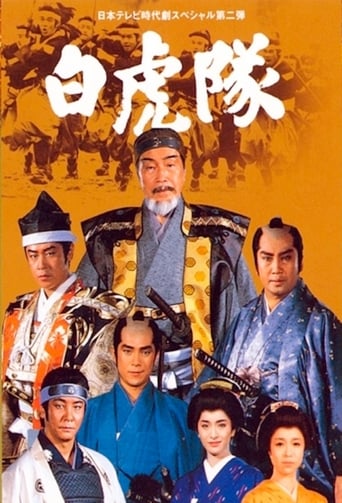 NR
NRByakkotai was part of Aizu's four-unit military, set up in the domain's drive to finalize its military modernization, in the wake of the Battle of Toba-Fushimi. The other three units were Genbutai, Seiryūtai, and Suzakutai. Each of the four was named after the protecting gods of compass directions. Byakkotai was meant to be a reserve unit, as it was composed of the young teenage 16 to 17 year old sons of Aizu samurai in a group around 350, who fought in the Boshin War (1868–1869)
Byakkotai
1986
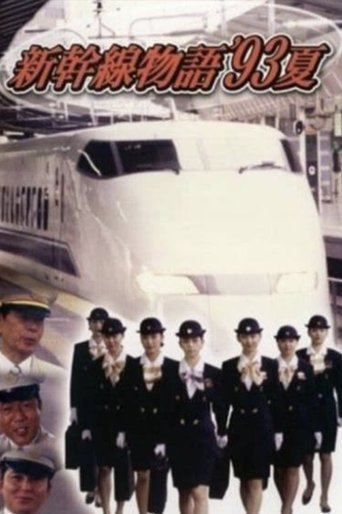 NR
NRNo synopsis available yet.
新幹線物語'93夏
1993
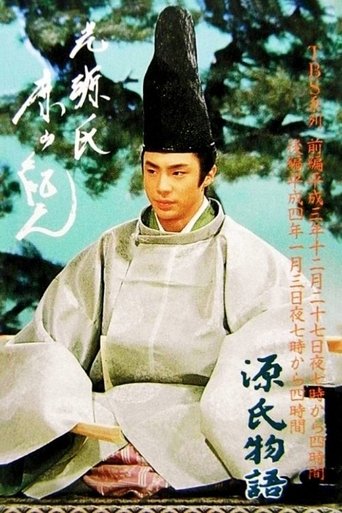 NR
NRThe life of Prince Hikaru Genji, who was nicknamed "Shining" by people for his dazzling noble beauty. Based on the novel "The Tale of Genji" by Murasaki Shikibu.
The Tale of Genji
1991
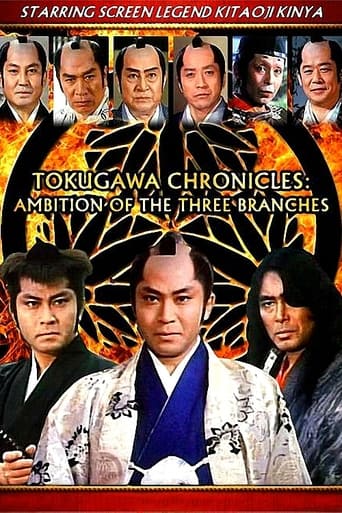 NR
NRThe story of the battles between the 3 related families Kishu, Mito, and Owari, as each vies for the shogun’s seat in the line of succession. Highlighting the series are many fights between the young lord’s Negoro ninja helpers and their mortal enemies, the Koga ninja. History comes alive with the bloody blades of the three families at war within the highest levels of government as the search for a new shogun continues!
Tokugawa Chronicles: Ambition of the 3 Branches
1986
No synopsis available yet.
Yumemiru Budo
2003
Shirota Shintaro lives with his wife Atsuko, his four children, Shitaro's father Fukuzo, and a dog. He is forced to make room for his sister Megumi and her children, as well as an unexpected lodger from Hungary.
Coming Home
1994
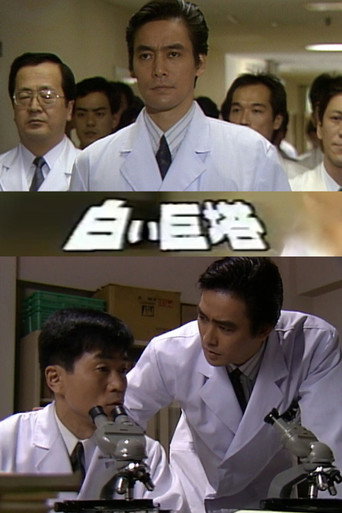 8.0
8.0The 1990 adaptation of Toyoko Yamasaki's "The Great White Tower".
The Great White Tower
1990
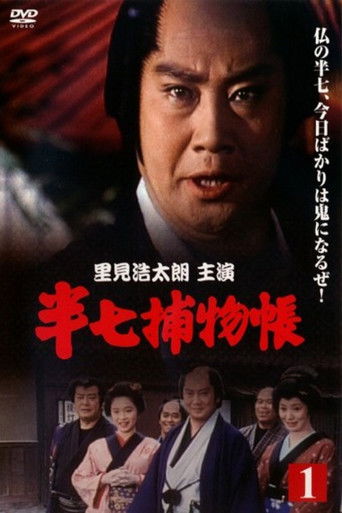 NR
NRNo synopsis available yet.
Hanshichi Torimonochō
1992
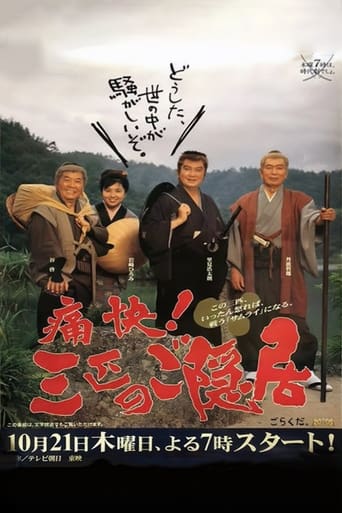 9.0
9.0After spending 20 years searching for the object of his vengeance, Sekiya Kanbei discovers he is now a ronin. Inui Sanshiro was the head of a clan until his son succeeded him, or so he says. Genmu claims to have once been a ninja. These three elderly men join forces to travel the Japanese countryside together. Along the way, they encounter situations that bring out the "warrior" in each of them, and soon they are fighting the corruption and injustices that plague the common people.
The Veteran Trio
1999
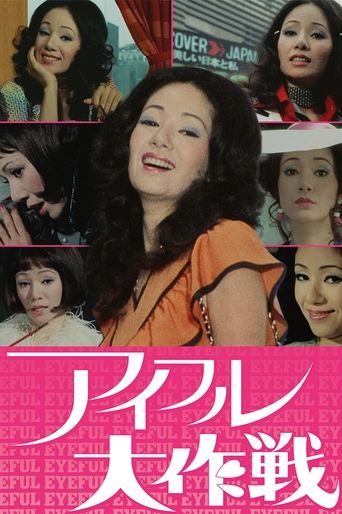 NR
NRA story about the principal of the "Aiful" Detective School, Ryoko Kishi (Mayumi Ogawa), and her students, who attend various crime scenes every time they attend classes about detectives and actually solve the cases. Compared to the previous work "Key Hunter", the content was developed with a slightly stronger comedy color.
Eyeful Daisakusen
1973
 NR
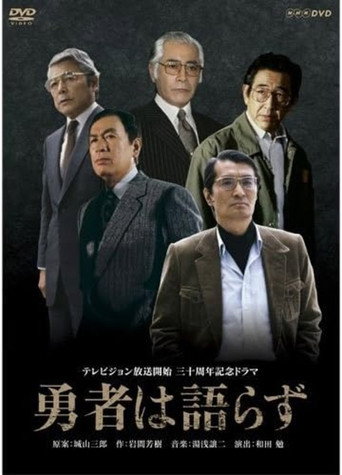
NRA four-episode TV drama commemorating the 30th anniversary of the start of television broadcasting, set in the automobile industry.
The Brave Man Says Little
1983
No synopsis available yet.
Order Made ~Shiawase Iro no Shinshi Fuku Mise~
2004
 NR
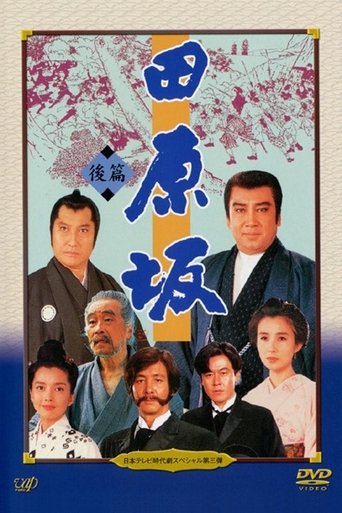
NRKnown as the ”Last Samurai” Saigo Takamori was a stout giant of a man with a huge head and a neck like a bear. As the leader of Satsuma’s anti-Western faction, he was instumental in establishing the Sat-Cho Alliance dreamed of by Sakamoto Ryoma. After the fall of the Tokugawa, Saigo rose to major prominence before falling in disfavor. In 1876 Saigo Takamori resigned from his government post and went back to Kagoshima. He founded a local military school and dissatisfied samurai gathered around him in large numbers. In late 1876 it came to an open conflict when samurai rebels raided and occupied ammunition and weapon depots of the central government. The samurai rebels urged and proclaimed Saigo Takamori as their leader.
Tabaruzaka
1987
No synopsis available yet.
Kaseifu wa mita!
1997
Behind the camera
7.5Shiba, a wandering ronin, encounters a band of peasants who have kidnapped the daughter of their dictatorial magistrate, in hopes of coercing from him a reduction in taxes. Shiba takes up their fight, joined by two renegades from the magistrate's guard, Sakura and Kikyo. The three outlaws find themselves in a battle to the death.
Three Outlaw Samurai
1964
 7.0
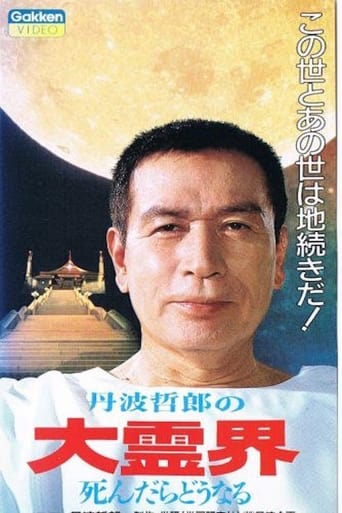
7.0Visualization based on Tetsuro Tamba's best-selling "Great Reikai". A story about a physicist who dies in an accident and experiences the afterlife as a spirit. The leading role is Tamba Tetsuro's biological son, Tamba Yoshitaka.
Tetsuro Tamba's Great Spirit World: What Happens When You Die
1989
 NR
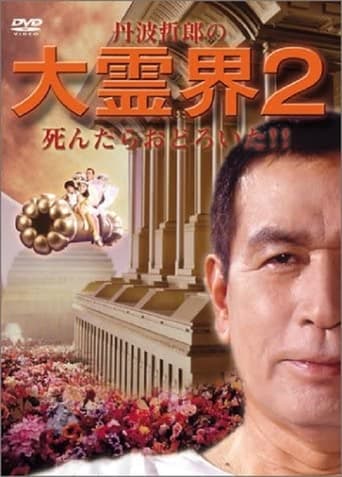
NRThe second installment of the spirit world guide movie based on the original idea of Tetsuro Tamba, made after the hit of the previous work. Depicts the world after death seen by a man who was sentenced to death for murdering his wife and sent to heaven.
Tetsuro Tamba's Great Spirit World 2: I was surprised when I died!!
1990
 NR
NRA Young couple find a boad buried under a beach,and are taken to another world where they must face a Deadly cult who want to sacrifice them.
The Sand Boat
1980
NRA Young couple find a boad buried under a beach,and are taken to another world where they must face a Deadly cult who want to sacrifice them.
The Sand Boat
1980
 NR
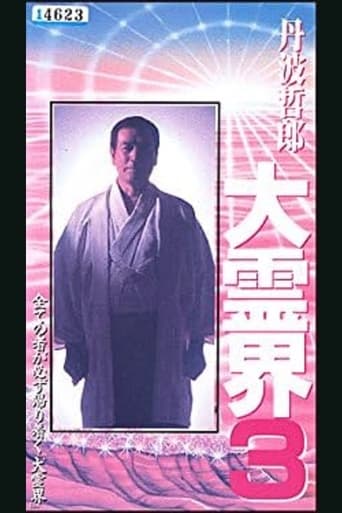
NRAt the end of the Edo period, nine-year-old Katsugoro told his older sister that he was the reincarnation of Tozo, who had died in a neighboring village. A live-action adaptation of Koizumi Yakumo's "Katsugoro Saisei Ki", which is based on a reincarnation incident that is also recorded in the official documents of the Edo magistrate's office.
Tetsuro Tamba’s Great Spiritual World 3: Amazing Reincarnation Story That Ran Around the Whole
1994
NRAt the end of the Edo period, nine-year-old Katsugoro told his older sister that he was the reincarnation of Tozo, who had died in a neighboring village. A live-action adaptation of Koizumi Yakumo's "Katsugoro Saisei Ki", which is based on a reincarnation incident that is also recorded in the official documents of the Edo magistrate's office.
Tetsuro Tamba’s Great Spiritual World 3: Amazing Reincarnation Story That Ran Around the Whole
1994
This is a re-edited version of a Canadian-made documentary on psychic phenomena with the theme of reincarnation, with his commentary scenes added at the beginning and end, under the supervision of Tetsuro Tanba.
Tetsuro Tamba's Spirit World
1988