
Directing
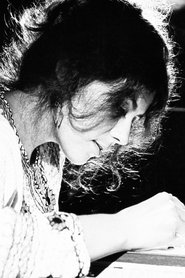
Caroline Leaf
Place of birth
Seattle, Washington, USA
Known for
Directing
Credits
31 titles
Caroline Leaf (born August 12, 1946) is a legendary Canadian-American independent filmmaker, animator, and fine artist. She is globally renowned for pioneering fluid, handcrafted, "under-the-camera" animation techniques, primarily working with the National Film Board of Canada (NFB). Her work is celebrated for its emotional depth, psychological realism, and seamless visual transitions.
Known for
 7.3
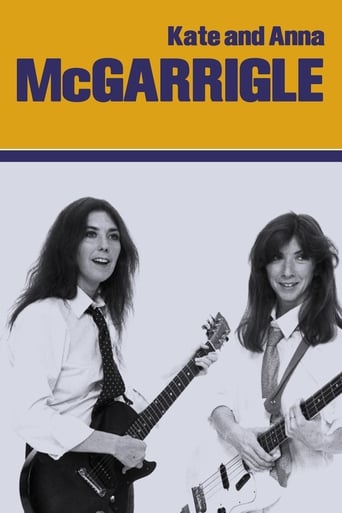
7.3A short documentary about singers Kate and Anna McGarrigle made by animator Caroline Leaf.
Kate and Anna McGarrigle
1981
 5.8
5.8This film deals with a Jewish family in Montreal, Canada as they care for a dying grandmother and the young boy who is impatient to get the room he was promised as soon as she kicks the bucket.
The Street
1977
 8.0
8.0Features clips from 21 documentary and animation film classics, interviews with NFB filmmakers past and present, and incisive commentary from film critics and historians on the role and influence of the NFB during its first half century of existence.
The Magical Eye
1989
 5.6
5.6A facially disfigured author's life with her guardian of a sister is disrupted when a stranger arrives at their door, claiming to be a fan.
Two Sisters
1991
 5.9
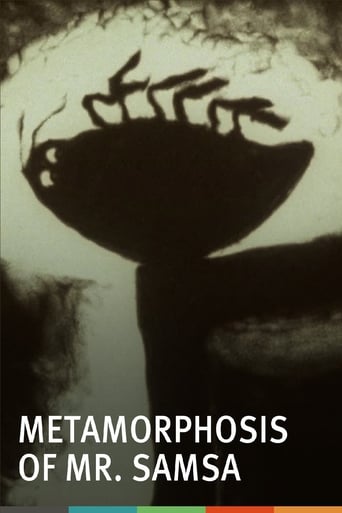
5.9An animated adaptation of Franz Kafka’s acclaimed novella, “The Metamorphosis,” made from carving images into sand with glass.
The Metamorphosis of Mr. Samsa
1978
 6.5
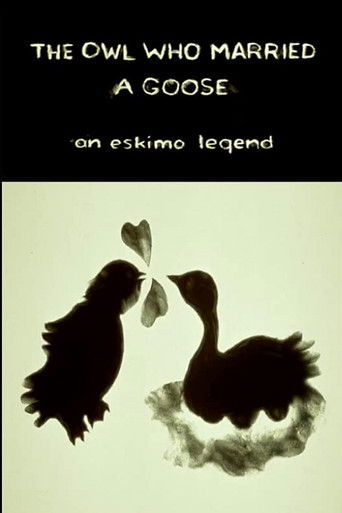
6.5In this short animation based on an Inuit legend, a goose captures the fancy of an owl, a weakness for which he will pay dearly. The sound effects and voices are Inuktitut, but the animation leaves no doubt as to the unfolding action. A story with the wry humor characteristic of many Inuit tales.
The Owl Who Married a Goose: An Eskimo Legend
1974
Film credits
1980s · 2 titles
7.3A short documentary about singers Kate and Anna McGarrigle made by animator Caroline Leaf.
Kate and Anna McGarrigle
1981
8.0Features clips from 21 documentary and animation film classics, interviews with NFB filmmakers past and present, and incisive commentary from film critics and historians on the role and influence of the NFB during its first half century of existence.
The Magical Eye
1989
Behind the camera
7.3A short documentary about singers Kate and Anna McGarrigle made by animator Caroline Leaf.
Kate and Anna McGarrigle
1981
5.8This film deals with a Jewish family in Montreal, Canada as they care for a dying grandmother and the young boy who is impatient to get the room he was promised as soon as she kicks the bucket.
The Street
1977
5.6A facially disfigured author's life with her guardian of a sister is disrupted when a stranger arrives at their door, claiming to be a fan.
Two Sisters
1991
5.6A facially disfigured author's life with her guardian of a sister is disrupted when a stranger arrives at their door, claiming to be a fan.
Two Sisters
1991
5.9An animated adaptation of Franz Kafka’s acclaimed novella, “The Metamorphosis,” made from carving images into sand with glass.
The Metamorphosis of Mr. Samsa
1978
5.9An animated adaptation of Franz Kafka’s acclaimed novella, “The Metamorphosis,” made from carving images into sand with glass.
The Metamorphosis of Mr. Samsa
1978
5.9An animated adaptation of Franz Kafka’s acclaimed novella, “The Metamorphosis,” made from carving images into sand with glass.
The Metamorphosis of Mr. Samsa
1978
6.5In this short animation based on an Inuit legend, a goose captures the fancy of an owl, a weakness for which he will pay dearly. The sound effects and voices are Inuktitut, but the animation leaves no doubt as to the unfolding action. A story with the wry humor characteristic of many Inuit tales.
The Owl Who Married a Goose: An Eskimo Legend
1974
 6.5
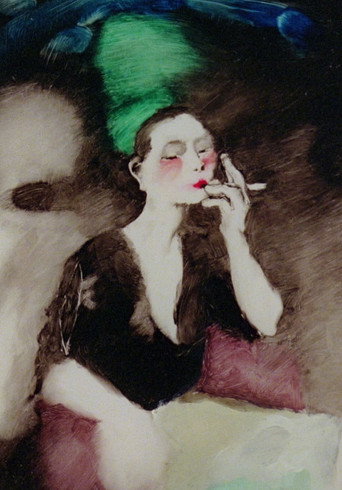
6.5A freewheeling cinematic experience, this film is the work of two filmmakers who relate their perceptions of each other through their respective animation techniques. Images and words are paired in startling associations. Each does a visual portrait of the other, based on characteristic gestures and impressions. A combination of techniques and materials produces a film of rich visual texture shaped by the hands and heads of two very different people.
Interview
1979
Live-action drama conceived for educational and social debate purposes.
An Equal Opportunity
1982
Live-action drama conceived for educational and social debate purposes.
An Equal Opportunity
1982
Caroline Leaf's second animated short film. The filmmaker reinterprets the Greek myth of Orpheus and Eurydice in a very free and poetic way. Here, human figures constantly transform into elements of nature—flowers, birds, fish, and even a centaur—underscoring the ever-changing nature of love and identity, and placing more emphasis on the transformative power of art and music than on the myth's usual tragic ending.
Orfeo
1970
The Owl and the Pussycat is a live action puppet film. The owl and pussycat are actors in costume, and the backgrounds are rear screen projection: drawings were projected onto a silver screen behind the actors, and filmed through a two way mirror. The lyrics are Edward Lear's well known nonsense poem which Stravinsky put to music as a birthday gift to his wife. Here they are sung by Phyllis Bryn-Julsen. The film was made with a grant from the Canada Council. The actors are Bob Pot and Grant Heisler.
The Owl and the Pussycat
1985
The Owl and the Pussycat is a live action puppet film. The owl and pussycat are actors in costume, and the backgrounds are rear screen projection: drawings were projected onto a silver screen behind the actors, and filmed through a two way mirror. The lyrics are Edward Lear's well known nonsense poem which Stravinsky put to music as a birthday gift to his wife. Here they are sung by Phyllis Bryn-Julsen. The film was made with a grant from the Canada Council. The actors are Bob Pot and Grant Heisler.
The Owl and the Pussycat
1985
The Owl and the Pussycat is a live action puppet film. The owl and pussycat are actors in costume, and the backgrounds are rear screen projection: drawings were projected onto a silver screen behind the actors, and filmed through a two way mirror. The lyrics are Edward Lear's well known nonsense poem which Stravinsky put to music as a birthday gift to his wife. Here they are sung by Phyllis Bryn-Julsen. The film was made with a grant from the Canada Council. The actors are Bob Pot and Grant Heisler.
The Owl and the Pussycat
1985
Is a version of an age old verbal teaching tool, the parable. Traditionally an oral form of storytelling used to transmit moral insights, the parable concisely expresses a human dilemma with a surprise twist at the end. The narrator in this film is a streetwise dog who observes the social life of a Mexican market from its underside. He tells a story about a prosperous merchant in the market who was once also out on the street and who was refused a street sweeper's job because he could not read or write. The dog's point is that ingenuity and motivation can be as important to success as more conventionally measured qualifications. The actors are Bob Pot and Grant Heisler.
A Dog's Tale: A Mexican Parable
1986
Is a version of an age old verbal teaching tool, the parable. Traditionally an oral form of storytelling used to transmit moral insights, the parable concisely expresses a human dilemma with a surprise twist at the end. The narrator in this film is a streetwise dog who observes the social life of a Mexican market from its underside. He tells a story about a prosperous merchant in the market who was once also out on the street and who was refused a street sweeper's job because he could not read or write. The dog's point is that ingenuity and motivation can be as important to success as more conventionally measured qualifications. The actors are Bob Pot and Grant Heisler.
A Dog's Tale: A Mexican Parable
1986
 7.0
7.0In this parable, a hungry fox hunts for his dinner one night in the jungle. Nearby is a tiger who is also pondering his next meal. The tiger catches the fox, but the cunning fox manages to outwit the proud tiger. This striking film uses cutouts and actors in masks to tell its tale. It will stimulate discussion on leadership qualities, such as brain versus brawn, on values and on conflict resolution.
The Fox and the Tiger: A Chinese Parable
1986
 10.0
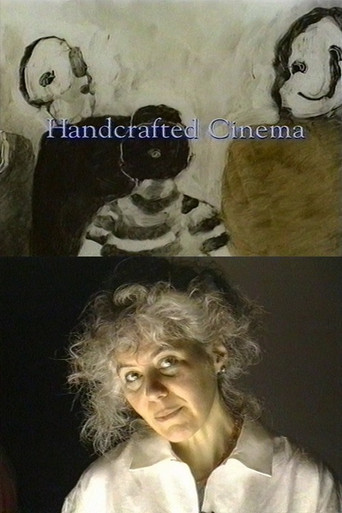
10.0Caroline Leaf’s films are renowned for their emotional content and graphic style, which evolves from the innovative hand-crafted animation techniques she invented: beach sand and painting on glass and scratching in the emulsion of film stock. The medium is always at the service of a dark and brooding storytelling touched by flashes of humour. This box set celebrating the talents of a master animator comprises all her classics: The Owl Who Married a Goose, The Street, The Metamorphosis of Mr. Samsa and Two Sisters, as well as Interview, made with Veronika Soul. The DVD includes a student film, an animated video done for MTV, a comprehensive biofilmography and a brand-new director’s commentary on Two Sisters.
Caroline Leaf Out on a Limb, Handcrafted Cinema
2010
 NR
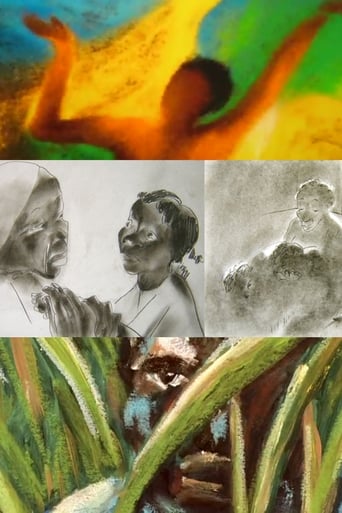
NRA trio of short films commissioned to be shown to visitors entering the National Freedom Center in Cincinnati Ohio. Freedom and Unfreedom by Aleksandra Korejwo uses sand animation. Slavery by Caroline Leaf shows the hardship of the life of a house slave in the American South before the Civil War, telling the events in one day in her life. The Underground Railroad by Luc Perez is the final film in the trilogy.
Suite for Freedom
2004
 10.0
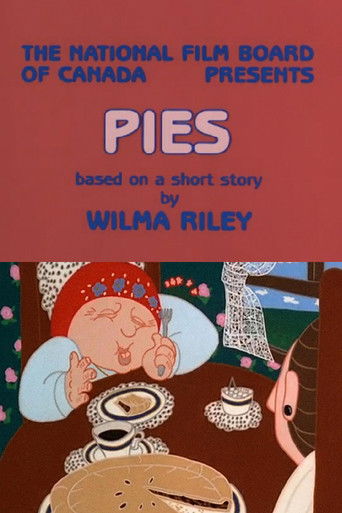
10.0This animated film about blind prejudice is based on a short story by Canadian author Wilma Riley. Mrs. Cherwak is Polish and owns a cow. Mrs. Meuser is a German with entrenched notions of cleanliness. She does not appreciate the cow's inevitable by-product. The film describes their conflict and its curious resolution over coffee and mincemeat pie. While the author chose to write about the Germans and the Poles she grew up with on the outskirts of Regina, the situation she describes could apply anywhere in the world.
Pies
1983
 NR
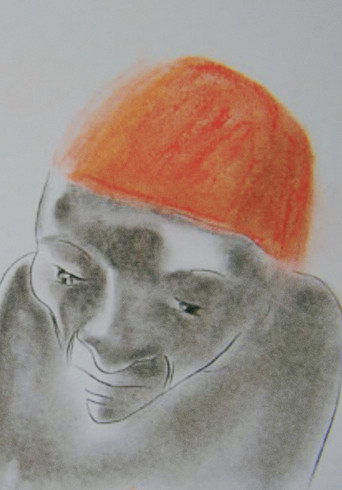
NRThe story is designed to be part of a trilogy of animated films called Suite For Freedom, which was commissioned to be shown to visitors entering the National Freedom Center in Cinncinnati Ohio. Slavery shows the hardship of the life of a house slave in the American South before the Civil War, telling the events in one day in her life.
Slavery
2004
NRThe story is designed to be part of a trilogy of animated films called Suite For Freedom, which was commissioned to be shown to visitors entering the National Freedom Center in Cinncinnati Ohio. Slavery shows the hardship of the life of a house slave in the American South before the Civil War, telling the events in one day in her life.
Slavery
2004
 7.5
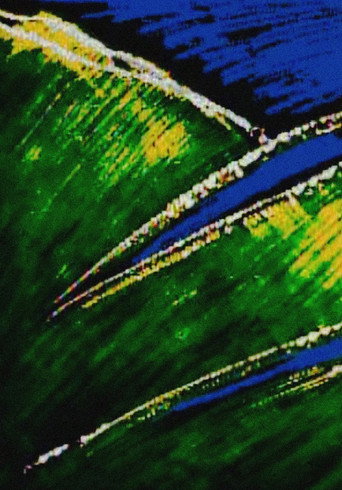
7.5I Met a Man is a piece of whimsy inspired by the ever present whistling wind on the Irish coast of County Cork where the filmmaker was living when she made the film. The film is scratched in 35mm film stock with color added in video postproduction.
I Met a Man
1991
 NR
NRAnimated commercial short directed by Caroline Leaf.
Brain Battle
1995
 7.0
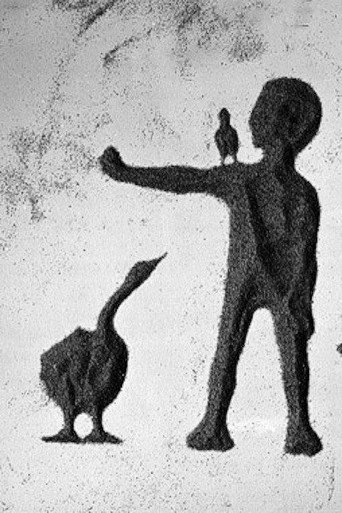
7.0Sand or Peter and the Wolf is a loose interpretation of the fable Peter and the Wolf, in which a boy's fear of the dark, the woods, and the wolf, is confronted and resolved. The film shows the extraordinary graphic possibilities of one of nature's most ordinary substances, sand.
Sand or Peter and the Wolf
1969