
Camera
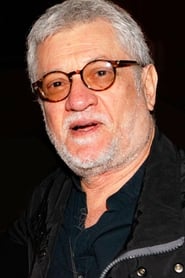
Walter Carvalho
Born
1947-01-01 (79)
Place of birth
João Pessoa, Paraíba, Brazil
Known for
Camera
Credits
31 titles
Walter Carvalho is a critically and internationally acclaimed Brazilian cinematographer. Carvalho has worked on over 70 films in his career since entering the Cinema of Brazil in 1973. He has won some 30 different professional film awards to date and has worked on acclaimed Brazilian films such as Carandiru in 2003. He is the father of also cinematographer Lula Carvalho.
Known for
 NR
NRNo synopsis available yet.
O País do Cinema
2016
 7.1
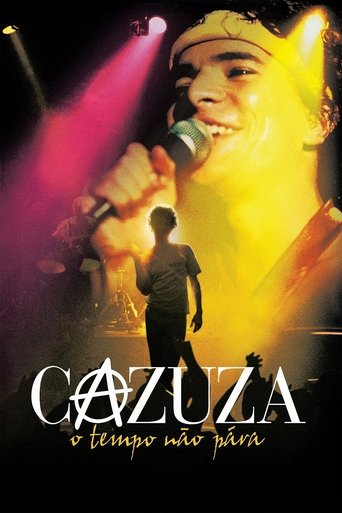
7.1Inspired by the moving book “Só as Mães São Felizes”, by Lucinha Araújo, Cazuza's mother, the film covers a little more than 10 years of the singer’s crazy and brief life – from the beginning of his career in the Circo Voador venue, in 1981, to the huge success and the apotheosis of his shows with the Barão Vermelho band, his solo career, his relations with his parents, friends, lovers and passions, and the courage he had to face his final years, with HIV, until his death, in 1990.
Cazuza: Time Doesn't Stop
2004
No synopsis available yet.
MAM SOS
1979
 9.0
9.0Documentary about the great Brazilian photographers who helped develop Brazilian cinema and their opinions on their work, making movies in Brazil and in general, and other subjects. As a bonus, they all agreed to shoot the same scene following their individual concepts, and the result is shown for comparison.
Iluminados
2007
 5.0
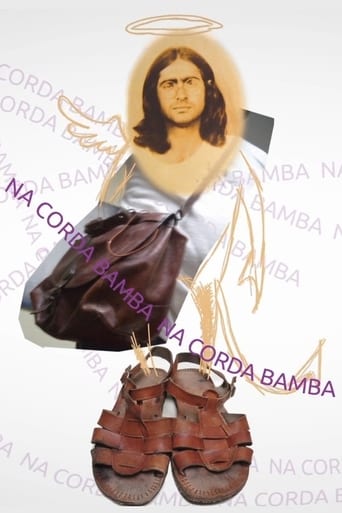
5.0Cacaso, a Brazilian poet, lived in Rio de Janeiro. Born Antonio Carlos de Brito (1944-1987) he was one of the leaders of the marginal poetry movement. Cacaso filled notebooks not only with poems but reflections, drawings and collages. He also became a lyricist and partner of celebrated songwriters such as Tom Jobim, Edu Lobo, Toninho Horta, João Donato and Sivuca.
Cacaso
2016
 NR
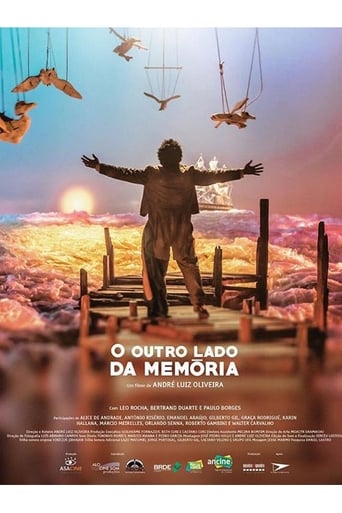
NRIn 1996, filmmaker André Luiz Oliveira started preproduction of Viva o Povo Brasileiro, a film adaptation of the novel by João Ubaldo Ribeiro. Principal photography went on for nine years, but the production was shut down after a series of unfortunate events. This documentary retells that story, repurposing the fictional footage and chronicling the work both in front and behind the scenes.
O Outro Lado da Memória
2018
Film credits
2020s · 4 titles
 NR
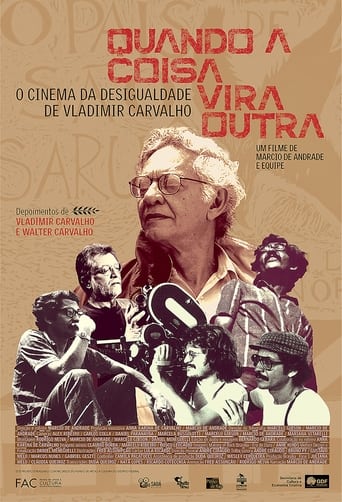
NRVladimir Carvalho's Cinema of Inequality marked the documentary filmmaker's trajectory over decades of activity. Considered one of the most important Brazilian documentary filmmakers in activity, his images influenced the emergence of Cinema Novo and the new Brazilian documentary years later. Quando a Coisa Vira Outra covers the most important films made by Vladimir, revealing where ideas come from to show the true reality of a country.
Quando a Coisa Vira Outra
2022
 5.0
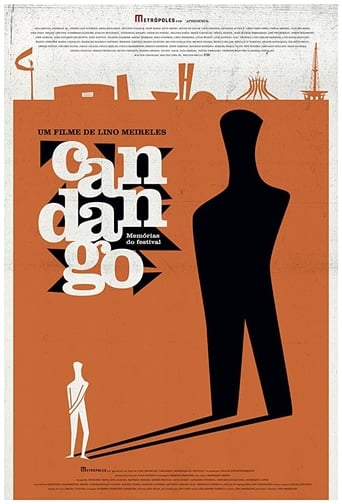
5.0In 1965, a year after the military coup in Brazil, an oasis of freedom opened in the country's capital. The Brasília Film Festival: a landmark of cultural and political resistance. Its story is that of Brazilian cinema itself.
Candango: Memoirs from a Festival
2020
 NR
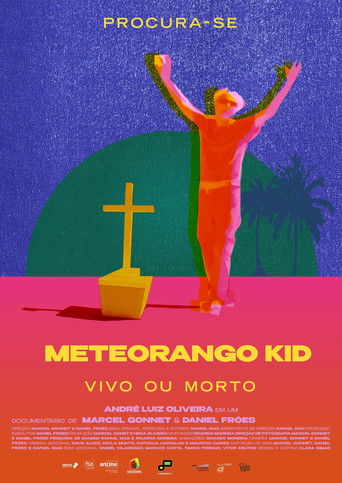
NRMeteorango Kid – O Herói Integalático, by André Luiz Oliveira, is a cult movie made in Bahia, awarded at the 1969 Brasília Festival and censored by the dictatorship. Meteorango Kid: alive or dead is a documentary about the film and its effects on the lives of other artists. André Luiz and musician Tuzé de Abreu, in the company of friends from the generation who used to go crazy, guide us in this search and reveal the mysteries of the invention of this iconic character of countercultural youth.
Procura-se Meteorango Kid: Vivo ou Morto
2021
 8.0
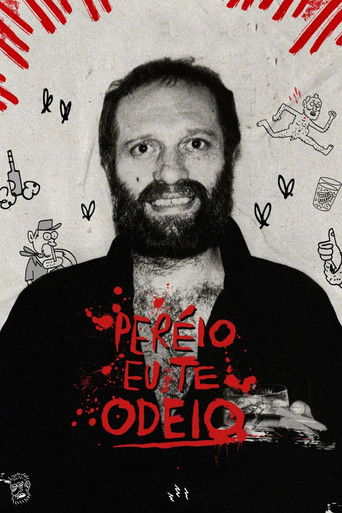
8.023 years in the making, “Pereio, Eu Te Odeio!” is a documentary on legendary Brazilian actor Paulo Cesar Pereio, an irreverent and controversial artist and public figure, as told by the testimonies of friends, family, and society members who hate him.
Peréio, Eu Te Odeio!
2023
2010s · 6 titles
5.0Cacaso, a Brazilian poet, lived in Rio de Janeiro. Born Antonio Carlos de Brito (1944-1987) he was one of the leaders of the marginal poetry movement. Cacaso filled notebooks not only with poems but reflections, drawings and collages. He also became a lyricist and partner of celebrated songwriters such as Tom Jobim, Edu Lobo, Toninho Horta, João Donato and Sivuca.
Cacaso
2016
NRIn 1996, filmmaker André Luiz Oliveira started preproduction of Viva o Povo Brasileiro, a film adaptation of the novel by João Ubaldo Ribeiro. Principal photography went on for nine years, but the production was shut down after a series of unfortunate events. This documentary retells that story, repurposing the fictional footage and chronicling the work both in front and behind the scenes.
O Outro Lado da Memória
2018
 NR
NRThe documentary VINTE - RioFilme, 20 anos de cinema brasileiro is a celebration of these two decades of Brazilian cinema, revealing the role of RioFilme in its recent history. Created in late 1992, shortly after the impeachment of Fernando Collor and shortly before the Audiovisual Law, RioFilme is the daughter of our democratic consolidation and the mother of the recovery, which contributed to and often inaugurated different phases of Brazilian cinema, until the current strengthening of its economy and the multiplication of the diversity of its films.
VINTE - RioFilme, 20 anos de cinema brasileiro
2013
 7.0
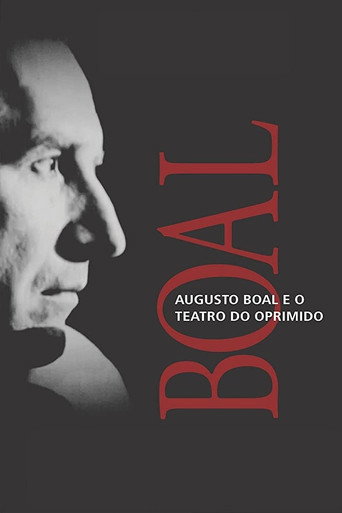
7.0The movie "Augusto Boal and the Theatre of the Oppressed" shows the path of the dramaturgo Augusto Boal at the creation of a theatre that has as objective to transform those who participate it in a spiral of changes, in an oppressing society. Along the trajectory we see Boal's intellectual search and the transformations of the Brazilian society, from the 60s to nowadays. The spectator will meet the numerous uses of the Theatre of the Oppressed around the world (there are groups in 77 countries) and how they manifest in different situations, characterized by the relation between the oppressor and the oppressed, from the biggest to the smallest powers.
Augusto Boal and the Theatre of the Oppressed
2010
 10.0
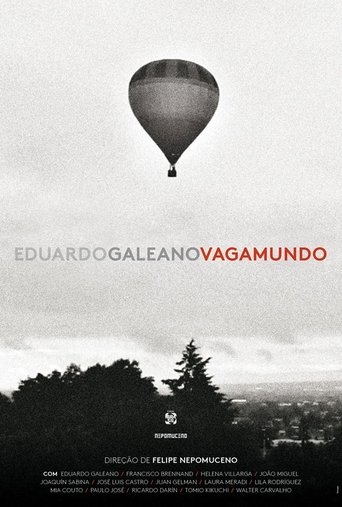
10.0A hug movie, for the biggest storyteller in Latin America.
Eduardo Galeano, Vagamundo
2018
 NR
NRA visual account of when an image finds the photograph.
Caruatá – Vejo o Lugar que me vê
2018
2000s · 6 titles
9.0Documentary about the great Brazilian photographers who helped develop Brazilian cinema and their opinions on their work, making movies in Brazil and in general, and other subjects. As a bonus, they all agreed to shoot the same scene following their individual concepts, and the result is shown for comparison.
Iluminados
2007
 7.9
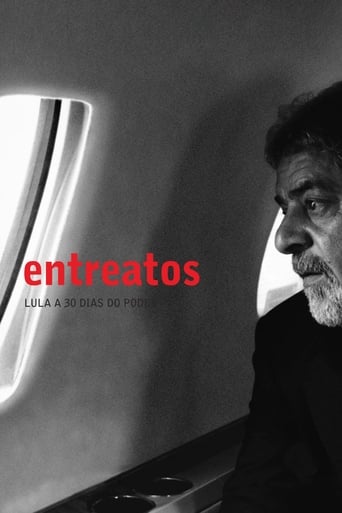
7.9This revealing documentary offers an insider's view of Lula da Silva's 2002 presidential campaign, showing political dynamics alongside intimate moments.
Intermissions
2004
 NR
NRNo synopsis available yet.
Vladimir Carvalho, Conterrâneo Velho de Guerra
2004
 NR
NRExclusive record of the filming of Central do Brasil in Vitória da Conquista in 1997. The ProVídeo Uesb team had access to the backstage, testimonies from the team, actors and director Walter Sales, keeping unique moments from one of the most emblematic films of what came to be known as Cinema da Retomada. A project carefully thought out by cultural producer Jorge Melquisedeque, the video ended up not being produced by him - who would die in 2001. All the raw tapes were rescued in 2002 and edited with the script by Marcelo Lopes (based on Jorge's chronicles about the period) and directed by Esmon Primo for the tribute program to the 10 years of the Indiscreet Window Cine Vídeo Uesb Program.
Conquista Central Station - The 7 days of creation
2002
 4.0
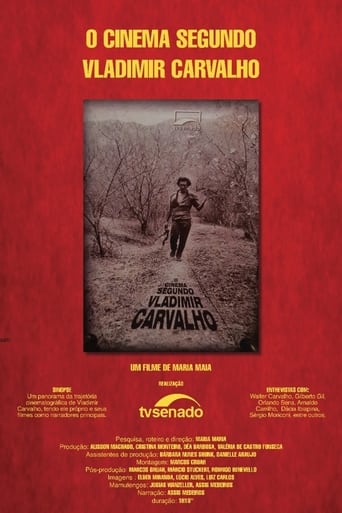
4.0The documentary presents an overview of Vladimir Carvalho's cinematographic career, from the very beginning, as a co-writer of “Aruanda” (1960), directed by Linduarte Noronha, to the present day. With Vladimir himself as the main narrator and illustrated by scenes from his films, the documentary also features interviews with Gilberto Gil, Orlando Senna, Arnaldo Carillo, Dácia Ibiapina, Fernando Duarte, Sérgio Moriconi, among others.
O Cinema Segundo Vladimir Carvalho
2001
 NR
NRThrough conversations held with fifty four of the most distinguished cinematographers working in Brazil and abroad over the last forty years, the documentary explores the working environment, the new tools and the different styles of the professional who controls the light and the shades behind the camera.
Cinematography
2008
Series credits
Behind the camera
7.1Inspired by the moving book “Só as Mães São Felizes”, by Lucinha Araújo, Cazuza's mother, the film covers a little more than 10 years of the singer’s crazy and brief life – from the beginning of his career in the Circo Voador venue, in 1981, to the huge success and the apotheosis of his shows with the Barão Vermelho band, his solo career, his relations with his parents, friends, lovers and passions, and the courage he had to face his final years, with HIV, until his death, in 1990.
Cazuza: Time Doesn't Stop
2004
No synopsis available yet.
MAM SOS
1979
 8.2
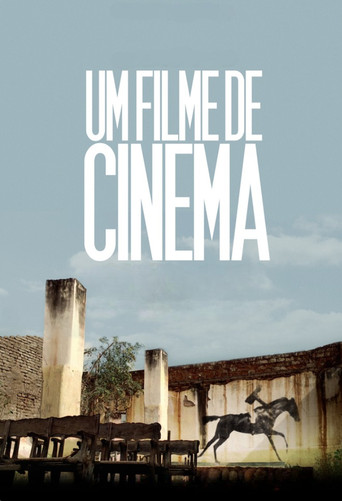
8.2An abandoned tumbledown theater in the outback of Paraíba state is the initial setting of a film about cinema, which explores the testimonials of the novelist and playwright Ariano Suassuna and other filmmakers such as Ruy Guerra, Julio Bressane, Ken Loach, Andrzej Wajda, Karim Ainouz, José Padilha, Hector Babenco, Vilmos Zsigmond, Béla Tarr, Gus Van Sant and Jia Zhangke. They all respond to two basic questions: why do they make movies and why do they serve the seventh art. The filmmakers share their thoughts about time, narrative, rhythm, light, movement, the meaning of tragedy, the audience‘s desires and the boundaries with other forms of art.
About Cinema
2015
 NR
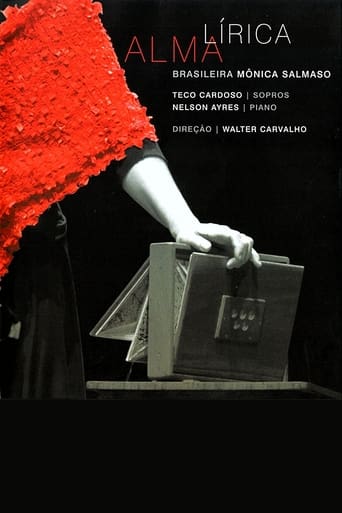
NRNo synopsis available yet.
Mônica Salmaso - Alma Lírica Ao Vivo
2012
 7.5
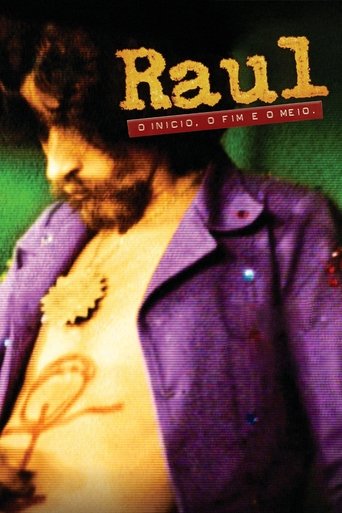
7.5As the world boiled in the rush of Easy Rider bikes, in the frenetic pace of Elvis Presley, in Beatniks poets, in the explosion of counterculture, a boy from Bahia gave birth to Rock in Brazil. A runaway flying saucer that abducted the hearts and minds of thousands of fans, Raul Seixas, a man who became a myth. Raul died young because he lived intensely. Rock n 'roll, free love, alternative society, drugs, black magic, military dictatorship, women and daughters. A man who wanted to live from his work and died for it. The beginning, the end and the middle are confused, because the story is not over. The film reveals through rare images of archive, meeting with relatives, conversations with artists, producers and friends, the trajectory of the legend of Rock.
Raul: O Início, o Fim e o Meio
2012
 8.0
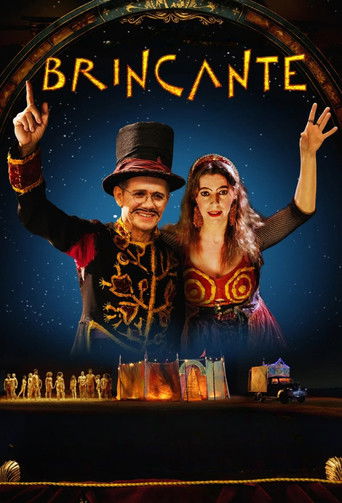
8.0A lyrical look at Antonio Nóbrega’s universe. A lifetime’s work that is characterized by the consistent reading of popular culture. A show in which all elements of our culture are mixed together. A musical and visual journey, guided by the characters Joáo Sidurino and Rosalina from the plays Brincante and Segundas Histórias.
Brincante
2014
 6.9
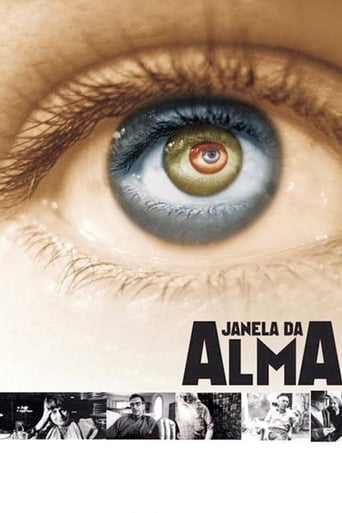
6.9Nineteen people with differing degrees of visual impairment – from mild nearsightedness to total blindness – discuss how they see themselves, how they see others and how they perceive the world. Unusual images, of burning trees or empty deserts, link the interviews, which vary from deep to funny to poetic.
Window of the Soul
2001
6.9Nineteen people with differing degrees of visual impairment – from mild nearsightedness to total blindness – discuss how they see themselves, how they see others and how they perceive the world. Unusual images, of burning trees or empty deserts, link the interviews, which vary from deep to funny to poetic.
Window of the Soul
2001
 NR
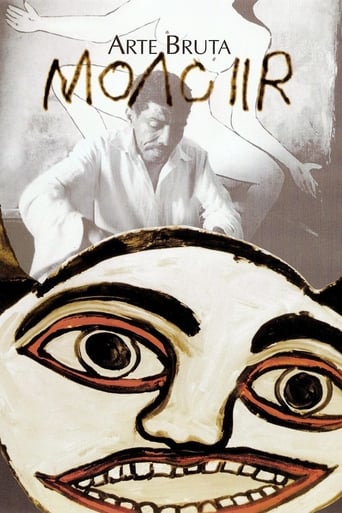
NRFacing many problems, such as impaired hearing and speaking, abnormal bone formation and poverty, Brazilian black naïve artist Moacir lives in the National Park of Chapada dos Veadeiros, aloof and oblivious of outside world, and was discovered by director Walter Carvalho in the 1980s. He spends his days drawing marvellous works with his crayons, depicting human and fantastic beings, fauna, flora, his own inner visions, mystical themes and sex, with a trace of impressive primitivism and beauty. The film registers his daily life.
Moacir Art Brut
2006
 5.0
5.0José Costa is a Brazilian ghost writer. Returning from a ghost writers convention his airplane is rerouted to Budapest. His life is also rerouted when he meets Krista and with her help, learns "the only language in the world which, according to the tongue-wagers, the devil respects.
Budapeste
2009
 9.0
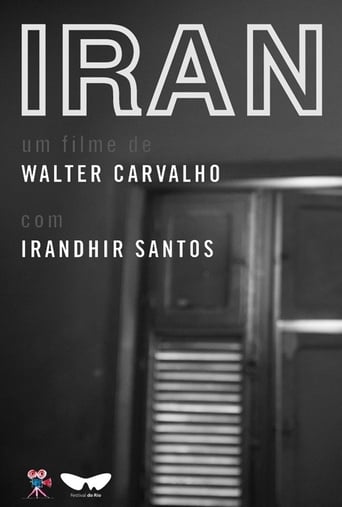
9.0An account on the immersion process of Brazilian method actor Irandhir Santos, while building up his character for "Redemoinho" (Whirlpool, 2017), captured on set by director of photography Walter Carvalho.
Iran
2017
9.0An account on the immersion process of Brazilian method actor Irandhir Santos, while building up his character for "Redemoinho" (Whirlpool, 2017), captured on set by director of photography Walter Carvalho.
Iran
2017
NRA visual account of when an image finds the photograph.
Caruatá – Vejo o Lugar que me vê
2018