
Directing
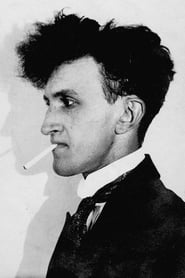
Jean Epstein
Born — Died
1897-03-25 — 1953-04-02
Place of birth
Warszawa, Russian Empire [now Poland]
Known for
Directing
Credits
43 titles
Jean Epstein (French: [ɛp.ʃtajn]; 25 March 1897 – 2 April 1953) was a French filmmaker, film theorist, literary critic, and novelist. Although he is remembered today primarily for his adaptation of Edgar Allan Poe's The Fall of the House of Usher, he directed three dozen films and was an influential critic of literature and film from the early 1920s through the late 1940s. He is often associated with French Impressionist Cinema and the concept of photogénie. Epstein was born in Warsaw, Kingdom of Poland (then a part of Russian Empire) to a French-Jewish father and Polish mother. After his father died in 1908, the family relocated to Switzerland, where Epstein remained until beginning medica…
Known for
Produced for television by Claude-Jean Philippe, the « Encyclopédie audiovisuelle du cinéma », recounts the history of French cinema from its birth to the beginning of the 1960s. With commentary read by Jean Rochefort.
Encyclopédie audiovisuelle du cinéma
1978
 7.1
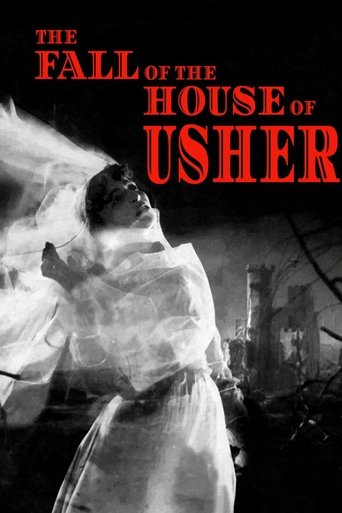
7.1A man travels to the remote and decaying mansion of his old friend Roderick Usher, who lives in isolation with his mysterious and gravely ill wife, Madeleine. As the strange atmosphere surrounding the Usher family grows increasingly unsettling, the visitor finds himself drawn into their world of obsession, illness, and supernatural dread.
The Fall of the House of Usher
1928
 6.1
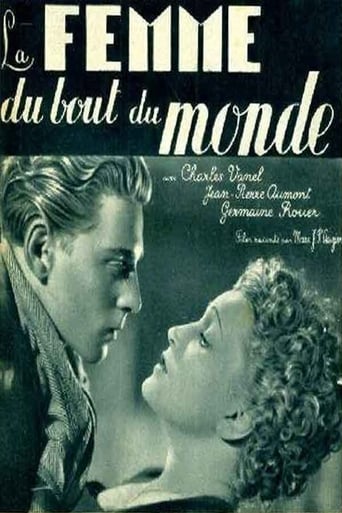
6.1A sailor falls in love with an innkeeper on a lost island.
The Woman at the End of the World
1938
 6.5
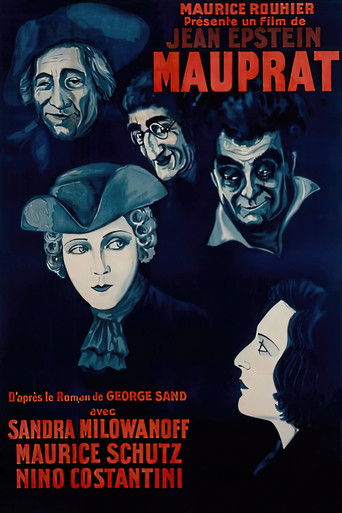
6.5Romantic novelist George Sand's Mauprat as adapted by cinema visionary Jean Epstein. As a child, orphan Bernard de Mauprat was adopted by Tristan, a brigand who brought him up with his biological sons to hate, kill and pillage. Hubert de Mauprat, the elder brother of Tristan, the very incarnation of nobility, and his daughter, the beautiful and intrepid Edmée, undertake to tear wild-eyed Bernard away from his uncle. Still uncouth and rough, Bernard endeavors to wrest the love of Edmée away from her betrothed.
Mauprat
1926
 10.0
10.0Produced for the National Federation of Building Workers Ciné-Liberté, a Popular Front organization intended to counteract capitalist interests in the film industry, Epstein’s union documentary examines building policy from the perspective of ordinary workers and notable architects. In addition to touring the Cathedral of Chartres and the Paris Exposition of 1937, the film features rare interviews with Le Corbusier (at his drawing board, no less) and Auguste Perret.
The Builders
1938
 10.0
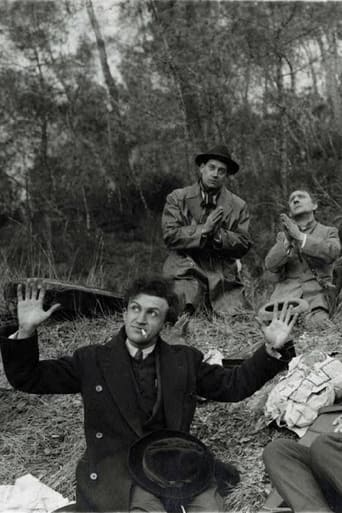
10.0The film, shot in Nice, was started by Jean Epstein, and the editing finished by Maurice Mariaud, who had just shot The Adventurer
The Drop Of Blood
1924
Film credits

Series credits
Behind the camera
7.1A man travels to the remote and decaying mansion of his old friend Roderick Usher, who lives in isolation with his mysterious and gravely ill wife, Madeleine. As the strange atmosphere surrounding the Usher family grows increasingly unsettling, the visitor finds himself drawn into their world of obsession, illness, and supernatural dread.
The Fall of the House of Usher
1928
7.1A man travels to the remote and decaying mansion of his old friend Roderick Usher, who lives in isolation with his mysterious and gravely ill wife, Madeleine. As the strange atmosphere surrounding the Usher family grows increasingly unsettling, the visitor finds himself drawn into their world of obsession, illness, and supernatural dread.
The Fall of the House of Usher
1928
7.1A man travels to the remote and decaying mansion of his old friend Roderick Usher, who lives in isolation with his mysterious and gravely ill wife, Madeleine. As the strange atmosphere surrounding the Usher family grows increasingly unsettling, the visitor finds himself drawn into their world of obsession, illness, and supernatural dread.
The Fall of the House of Usher
1928
6.1A sailor falls in love with an innkeeper on a lost island.
The Woman at the End of the World
1938
6.1A sailor falls in love with an innkeeper on a lost island.
The Woman at the End of the World
1938
6.5Romantic novelist George Sand's Mauprat as adapted by cinema visionary Jean Epstein. As a child, orphan Bernard de Mauprat was adopted by Tristan, a brigand who brought him up with his biological sons to hate, kill and pillage. Hubert de Mauprat, the elder brother of Tristan, the very incarnation of nobility, and his daughter, the beautiful and intrepid Edmée, undertake to tear wild-eyed Bernard away from his uncle. Still uncouth and rough, Bernard endeavors to wrest the love of Edmée away from her betrothed.
Mauprat
1926
6.5Romantic novelist George Sand's Mauprat as adapted by cinema visionary Jean Epstein. As a child, orphan Bernard de Mauprat was adopted by Tristan, a brigand who brought him up with his biological sons to hate, kill and pillage. Hubert de Mauprat, the elder brother of Tristan, the very incarnation of nobility, and his daughter, the beautiful and intrepid Edmée, undertake to tear wild-eyed Bernard away from his uncle. Still uncouth and rough, Bernard endeavors to wrest the love of Edmée away from her betrothed.
Mauprat
1926
6.5Romantic novelist George Sand's Mauprat as adapted by cinema visionary Jean Epstein. As a child, orphan Bernard de Mauprat was adopted by Tristan, a brigand who brought him up with his biological sons to hate, kill and pillage. Hubert de Mauprat, the elder brother of Tristan, the very incarnation of nobility, and his daughter, the beautiful and intrepid Edmée, undertake to tear wild-eyed Bernard away from his uncle. Still uncouth and rough, Bernard endeavors to wrest the love of Edmée away from her betrothed.
Mauprat
1926
10.0Produced for the National Federation of Building Workers Ciné-Liberté, a Popular Front organization intended to counteract capitalist interests in the film industry, Epstein’s union documentary examines building policy from the perspective of ordinary workers and notable architects. In addition to touring the Cathedral of Chartres and the Paris Exposition of 1937, the film features rare interviews with Le Corbusier (at his drawing board, no less) and Auguste Perret.
The Builders
1938
10.0The film, shot in Nice, was started by Jean Epstein, and the editing finished by Maurice Mariaud, who had just shot The Adventurer
The Drop Of Blood
1924
 5.9
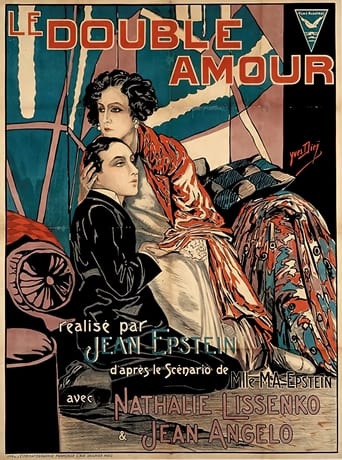
5.9Jacques Prémont-Solène is a degenerate gambler and his losses at baccarat have bankrupted his lover, Laure Maresco. When he steals four hundred thousand francs and loses that at the gambling tables, he flees to the United States, and Nathalie takes the blame. Twenty years later, she has a flourishing career as a nightclub singer, but their son is just as inept a gambler as his father had been.
Double Love
1925
5.9Jacques Prémont-Solène is a degenerate gambler and his losses at baccarat have bankrupted his lover, Laure Maresco. When he steals four hundred thousand francs and loses that at the gambling tables, he flees to the United States, and Nathalie takes the blame. Twenty years later, she has a flourishing career as a nightclub singer, but their son is just as inept a gambler as his father had been.
Double Love
1925
 NR
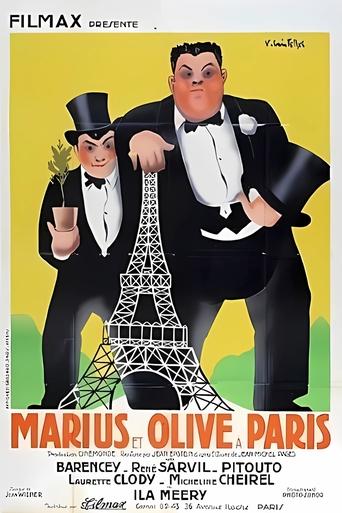
NRParisian adventures of a fearless couple of friends and their return to their home in Marseille after a happy double marriage.
Marius and Olive in Paris
1935
 7.0
7.0A mother sells a photo of her daughter to the press for publicity, and a daughter suddenly dies leaving the mother desperate surrounding by portraits of her daughter all around town.
The Poster
1925
7.0A mother sells a photo of her daughter to the press for publicity, and a daughter suddenly dies leaving the mother desperate surrounding by portraits of her daughter all around town.
The Poster
1925
 8.0
8.0The French and the English spy on each other, in this adventure set in post World War I colonial Syria.
The Lady of Lebanon
1934
8.0The French and the English spy on each other, in this adventure set in post World War I colonial Syria.
The Lady of Lebanon
1934
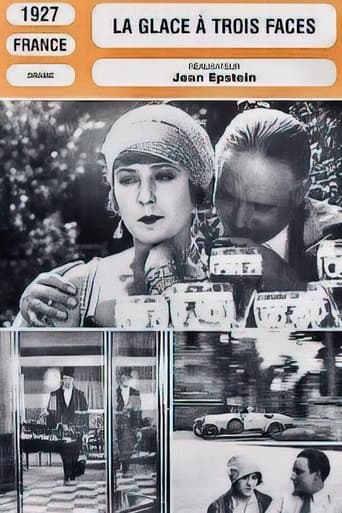 6.6
6.6A wealthy young businessman consecutively falls in love with a classy English woman (Pearl), a Russian sculptress (Athalia), and a naive working-class girl (Lucie).
The Three-Sided Mirror
1927
 8.0
8.0When an innocent young woman finds herself abandoned by the proper young man whose child she's had, she is taken in by a troupe of traveling performers.
Heart of Tramp
1936
 6.9
6.9In the kingdom of the Moguls, Prince Roudghito-Sing, a young officer of the palace, falls in love with Zemgali, a captive princess held prisoner and coveted by the Grand Khan. Fleeing the country, he takes refuge in Paris and his presentability allows him to be hired as an actor by a French film company. The trouble is that Anna, the star of the movie, is attracted to him. Which displeases banker Morel, the producer and Anna's lover... Written by Guy Bellinger
The Lion of the Moguls
1924
6.9In the kingdom of the Moguls, Prince Roudghito-Sing, a young officer of the palace, falls in love with Zemgali, a captive princess held prisoner and coveted by the Grand Khan. Fleeing the country, he takes refuge in Paris and his presentability allows him to be hired as an actor by a French film company. The trouble is that Anna, the star of the movie, is attracted to him. Which displeases banker Morel, the producer and Anna's lover... Written by Guy Bellinger
The Lion of the Moguls
1924
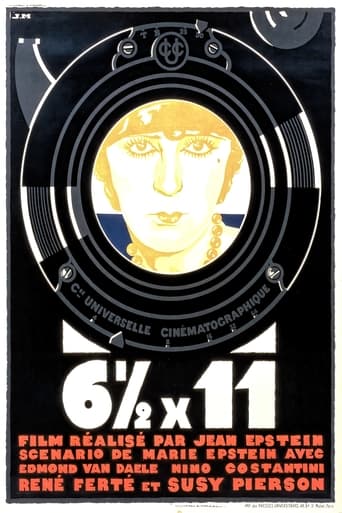 6.6
6.6A renowned doctor and his brother live and work together until the brother falls in love with Marie, a singer, and gives up medicine to be with her. After a time however, she misses her old life and goes back on the stage - an act which leads her lover to commit suicide. Later the doctor and Marie also meet, and she becomes his mistress. He finds out about his brother's suicide and goes through his artifacts looking for a clue as to what might have been the cause. He finds a photograph of Marie and realizes the truth, which decimates their relationship.
Six and a Half by Eleven
1927
6.6A renowned doctor and his brother live and work together until the brother falls in love with Marie, a singer, and gives up medicine to be with her. After a time however, she misses her old life and goes back on the stage - an act which leads her lover to commit suicide. Later the doctor and Marie also meet, and she becomes his mistress. He finds out about his brother's suicide and goes through his artifacts looking for a clue as to what might have been the cause. He finds a photograph of Marie and realizes the truth, which decimates their relationship.
Six and a Half by Eleven
1927
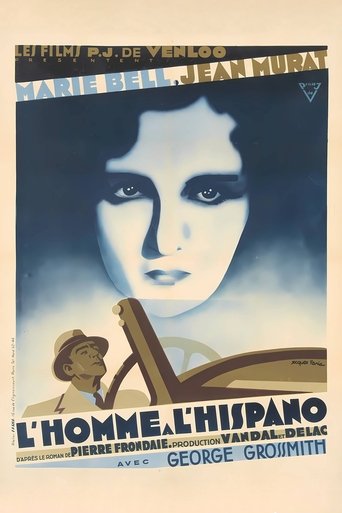 7.0
7.0The almost financially ruined French gentleman Gaston Dewalter spends several days in Biarritz before going off in the Hispano-Suiza, a luxe car which was a present from his friends. George becomes the lover of Lady Stéphane Oswill pretending he is wealthy. Then Stéphane spends the remaining funds with which the now desperate George hoped to rebuild his fortune in Senegal.
The Man with the Hispano
1933
7.0The almost financially ruined French gentleman Gaston Dewalter spends several days in Biarritz before going off in the Hispano-Suiza, a luxe car which was a present from his friends. George becomes the lover of Lady Stéphane Oswill pretending he is wealthy. Then Stéphane spends the remaining funds with which the now desperate George hoped to rebuild his fortune in Senegal.
The Man with the Hispano
1933
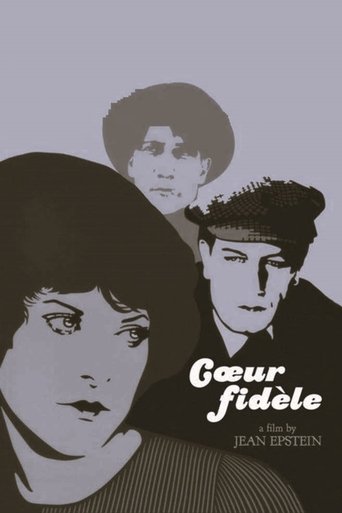 7.2
7.2The good guys win out in this sweet tale about a young orphan who is abused for much of her life but who eventually finds happiness when she marries an honest man who extricates her from her situation.
Cœur fidèle
1923
7.2The good guys win out in this sweet tale about a young orphan who is abused for much of her life but who eventually finds happiness when she marries an honest man who extricates her from her situation.
Cœur fidèle
1923
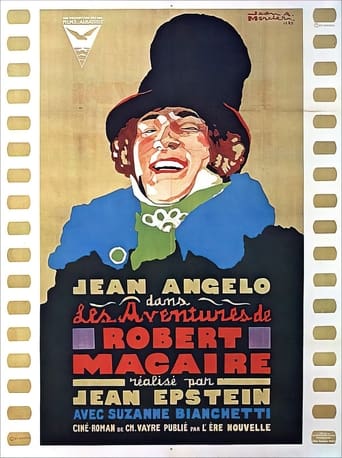 8.2
8.2Following a 19th-century play penned by Benjamin Antier, the figure of Robert Macaire, bandit and rogue, enjoyed popularity in several contexts. One of the most detailed treatments may be found in Epstein’s LES AVENTURES DE ROBERT MACAIRE, which he executed in five interrelated episodes.
The Adventures of Robert Macaire
1925
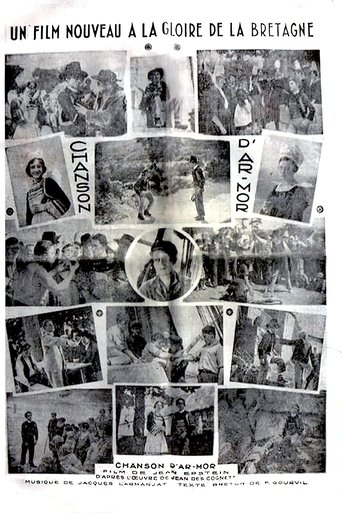 6.0
6.0A poetic drama, spoken in the Breton language and set in a Breton fishing community, telling of the impossible love between a waifish fisherman and a highborn lady-of-the-manor.
Song of Armorica
1935
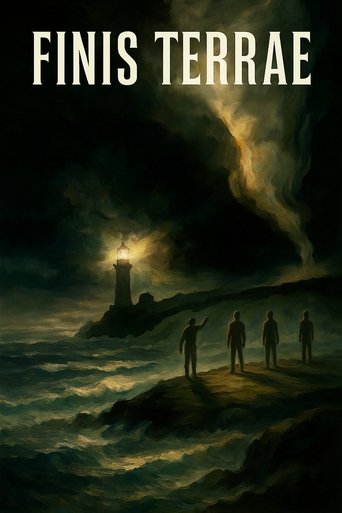 7.1
7.1On the islet Bannec, off the coast of Brittany, four fishermen have set up camp for three months to harvest seaweed. If processed correctly, the ash of the seaweed can be sold for high prices. It is therefore burnt in several large piles on the island. Problems arise when one of them gets an infected thumb.
Finis Terræ
1929
7.1On the islet Bannec, off the coast of Brittany, four fishermen have set up camp for three months to harvest seaweed. If processed correctly, the ash of the seaweed can be sold for high prices. It is therefore burnt in several large piles on the island. Problems arise when one of them gets an infected thumb.
Finis Terræ
1929
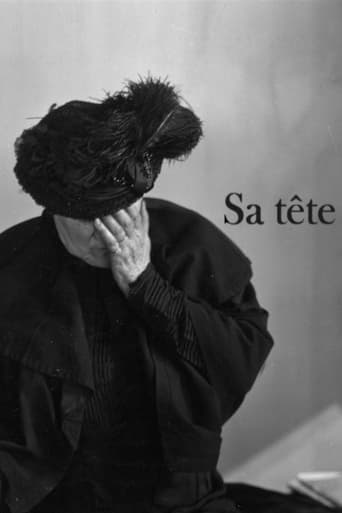 7.5
7.5Jean Bonnard, clean-cut industrialist and the only son of a widow, goes to visit his mother in the small village where she lives. However, early in the morning the police arrive to arrest him, accusing the man of having murdered the old banker who'd made advances towards his girlfriend. Jean's mother is eager to aid her son, whom she believes is innocent. Said Epstein of his film: "I shot small landscapes in Livilliers which seemed to me-- in their reality, I mean-- very large".
His Head
1929
7.5Jean Bonnard, clean-cut industrialist and the only son of a widow, goes to visit his mother in the small village where she lives. However, early in the morning the police arrive to arrest him, accusing the man of having murdered the old banker who'd made advances towards his girlfriend. Jean's mother is eager to aid her son, whom she believes is innocent. Said Epstein of his film: "I shot small landscapes in Livilliers which seemed to me-- in their reality, I mean-- very large".
His Head
1929
 6.8
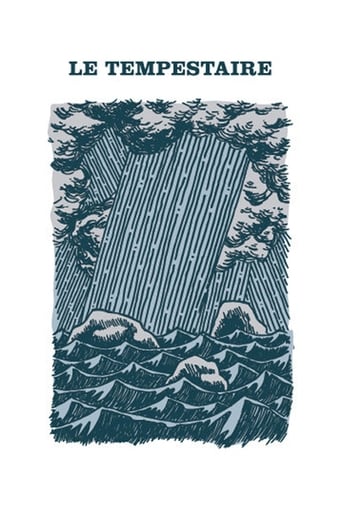
6.8Following a premonition, a young woman tries to persuade her fiancé not to go out to sea in his fishing boat, but the boy ignores her and sets out. Soon, a storm occurs, and the girl frantically tries to find out his fate. Eventually, at the advice of her grandmother, she goes to the "Tempestaire", who has the power to speak to the wind and subdue it.
The Storm-Tamer
1947
6.8Following a premonition, a young woman tries to persuade her fiancé not to go out to sea in his fishing boat, but the boy ignores her and sets out. Soon, a storm occurs, and the girl frantically tries to find out his fate. Eventually, at the advice of her grandmother, she goes to the "Tempestaire", who has the power to speak to the wind and subdue it.
The Storm-Tamer
1947
 6.6
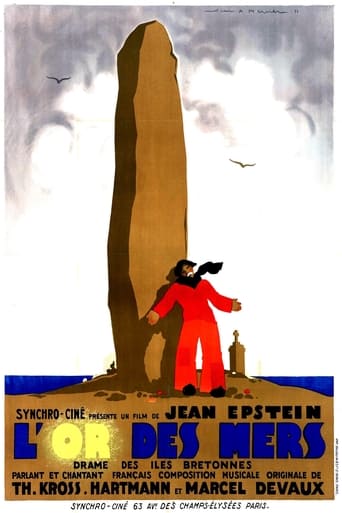
6.6Because he found a box washed up by the sea holding unknown contents, a poor and despised fisherman and his daughter are suddenly courted by everyone in the village.
Gold of the Seas
1933
 6.1
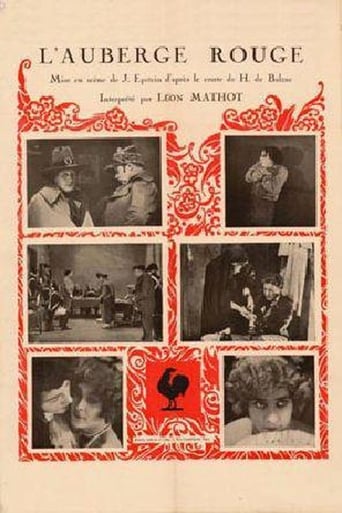
6.1Two young doctors, surprised by the storm, take refuge in an inn. A diamond broker joins them and, for lack of space, shares their room. At dawn he is found dead. A few years later justice is done.
The Red Inn
1923
6.1Two young doctors, surprised by the storm, take refuge in an inn. A diamond broker joins them and, for lack of space, shares their room. At dawn he is found dead. A few years later justice is done.
The Red Inn
1923
 6.4
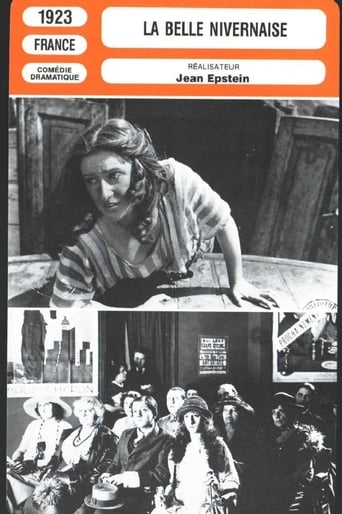
6.4A young man falls in love with the daughter of the man who adopted him.
La Belle Nivernaise
1924
6.4A young man falls in love with the daughter of the man who adopted him.
La Belle Nivernaise
1924