

Franchise
Fluxfilms
36 films in release order.
Films
36
Average rating
5.2 / 10
Release span
1962 – 1970
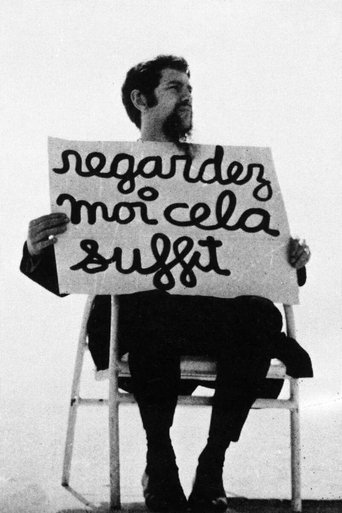 5.0
5.0Sitting on a promenade in nice with a sign: Watch me, that’s all.
Regardez moi cela suffit
1962
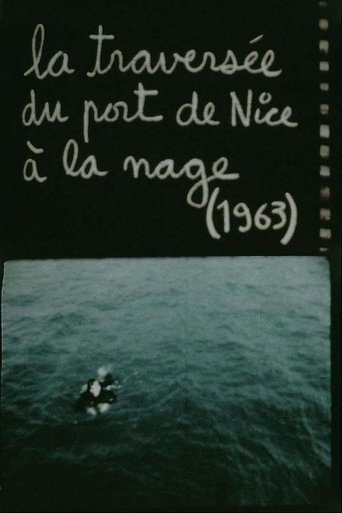 5.4
5.4Swimming across Nice harbour fully clothed. Ben swims across a bay in Nice.
La traversée du port de Nice à la nage
1963
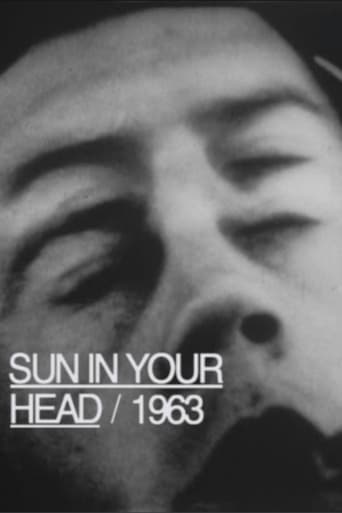 5.7
5.7"Single Frame sequences of TV or film images, with periodic distortions of the image. The images are airplanes, women men interspersed with pictures of texts like: 'silence, genius at work' and 'ich liebe dich.' The end credit is 'Television décollage, Cologne, 1963."
Sun in Your Head
1963
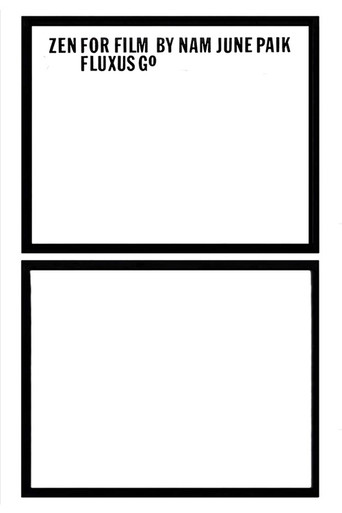 5.3
5.3In an endless loop, unexposed film runs through the projector. The resulting projected image shows a surface illuminated by a bright light, occasionally altered by the appearance of scratches and dust particles in the surface of the damaged film material. This a film which depicts only its own material qualities; An "anti-film", meant to encourage viewers to focus on the lack of concrete images.
Zen for Film
1964
 6.5
6.5Each film frame is a different image from the Sears Roebuck mail order catalogue. The film places pictures of the objects sold by Sears to the consumer society side by side with pictures of female models
Sears Catalogue 1-3
1965
 5.8
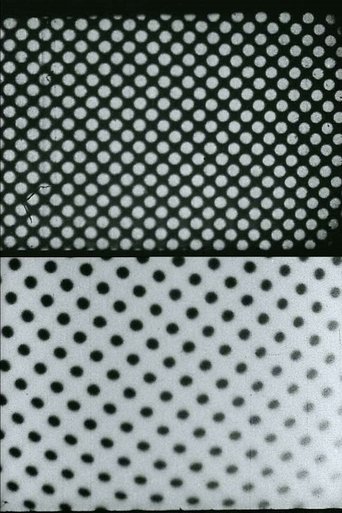
5.8Single frame exposures of dot-screens.
Dots 1 & 2
1965
 6.8
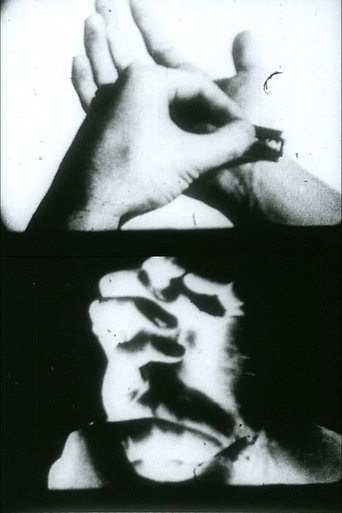
6.8Various gestures of hand held razorblade, single frame exposures.
Wrist Trick
1965
 6.0
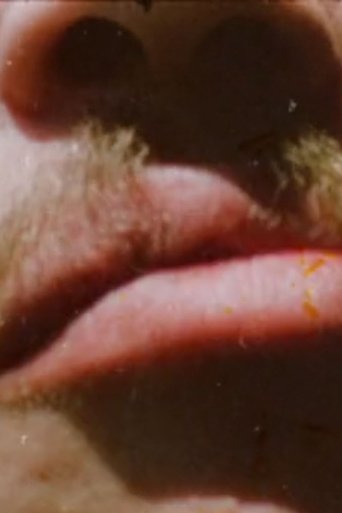
6.0"INVOCATION is Higgins' Satie movie... the purest attempt to clear art from any or all historical, esthetic, thematic, ornamental claptrap to regain the lost-eye consciousness." - Jonas Mekas
Invocations of Canyons and Boulders (for Stan Brakhage)
1966
 5.6
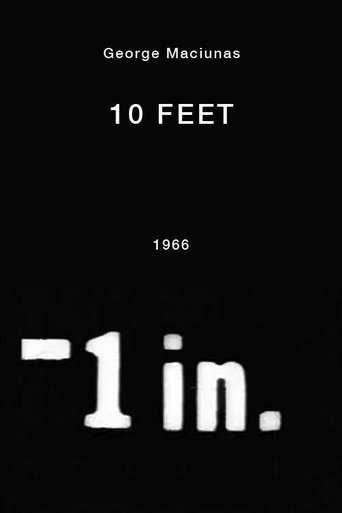
5.6Prestype on clear film measuring tape, 10ft. length. No camera. At the end of every foot of film numbers appear, 1, 2, etc to 10
10 Feet
1966
 5.5
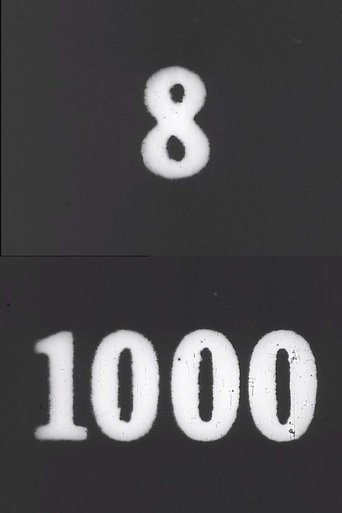
5.5Numerals on clear film from 1 to 1000."
1000 Frames
1966
 5.2
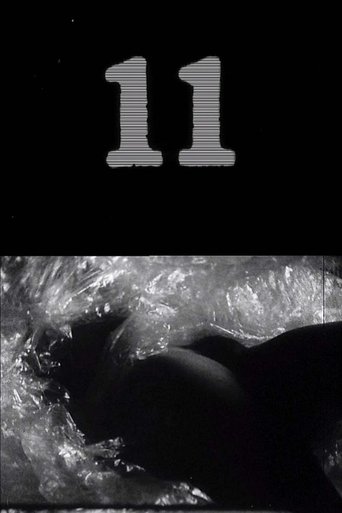
5.2Begins with a picture of Marilyn Monroe, then shifts to a female body, shot from belly button down, which is wriggling under piles of cellophane.
Trace No. 22
1966
 5.9
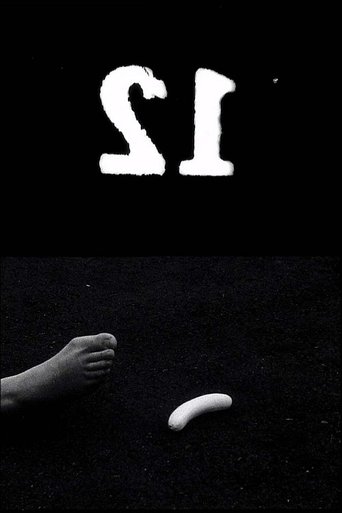
5.9Begins with a shot of a demarcation line on an asphalt tennis court. A hand points to the distant landscape, then numbers 408 and 409 appear on a female torso.
Trace No. 23
1966
 5.0
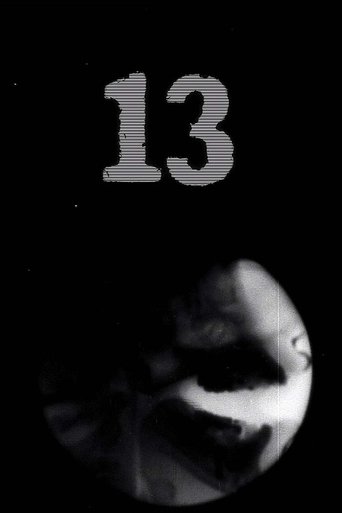
5.0X-ray sequence of mouth and throat; eating, salivating, speaking.
Trace No. 24
1966
 4.8
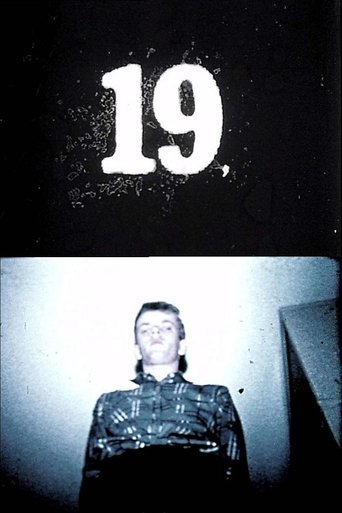
4.8Single frame exposures, color. Different image each frame, various items in the room, etc.
Opus 74, Version 2
1966
 5.7
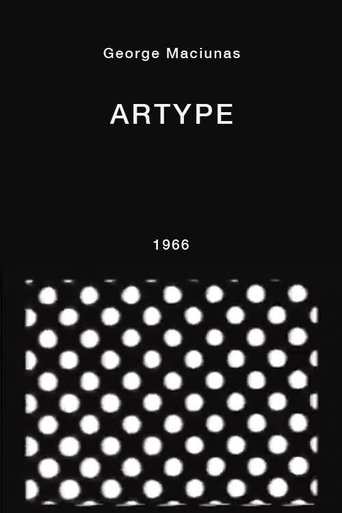
5.7Artype patterns, intended for loops. Benday dot patterns. Dots, lines. Screens, wavy lines, parallel lines, etc. on clear film. No camera.
Artype
1966
 NR
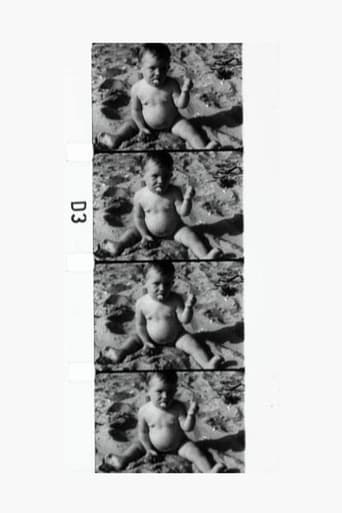
NRThis is fluxfilm No. 21 and without a title
Fluxfilm No. 21
1966
 5.8
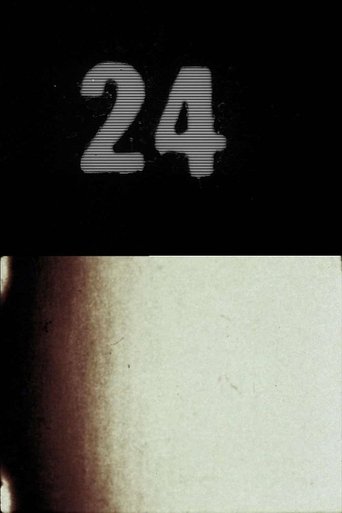
5.8Color test strip from developing tank.
Readymade
1966
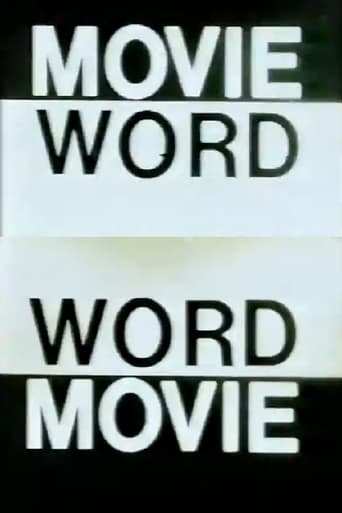 6.8
6.8Single frame exposures of words.
Word Movie
1966
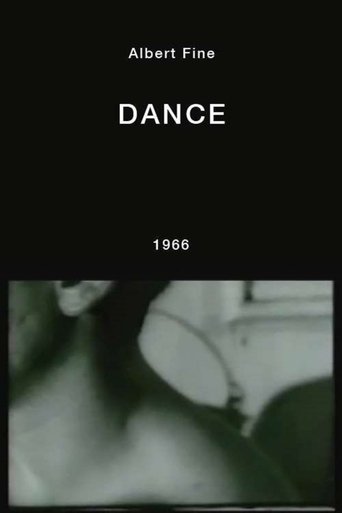 6.0
6.0"Face Smiling. Hammering a brick. CU of an ear (moving?). Face twitching. Dancing on one leg. Rolls, twitches on the floor. Boxes the wall."
Dance
1966
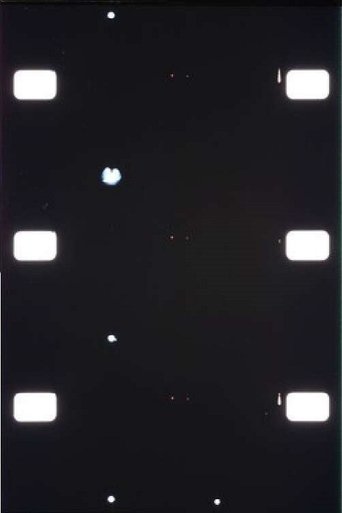 6.0
6.0Cale makes a short film called Police Car. No sound, and it is in black & white. Part #31 in the Fluxus Film series.
Police Car
1966
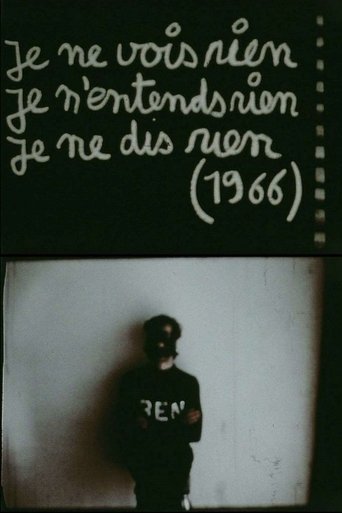 4.5
4.5Seeing, Hearing, Saying Nothing. Ben stands with ears, eyes, mouth bandaged.
Je ne vois rien, je n'entends rien, je ne dis rien
1966
 5.2
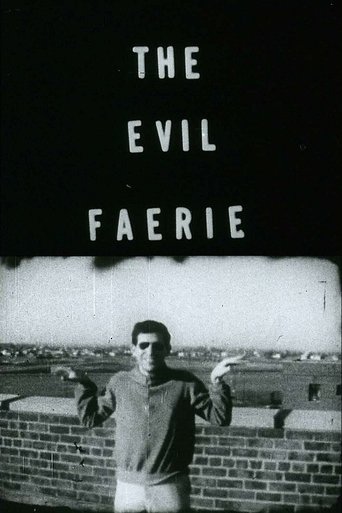
5.2Following a series of title cards, a man in sunglasses briefly flutters his hands like fairy. Owen Land states that this film was not made by George Landow, and believes it should be credited to John Cavanaugh. "George Maciunas had a number of films which didn’t have titles on them. Then he put them together into his Fluxus reel and tried to remember who made them. It was an intentional Fluxus joke." (Owen Land, interview with Mark Webber, 2004)
The Evil Faerie
1966
 4.5
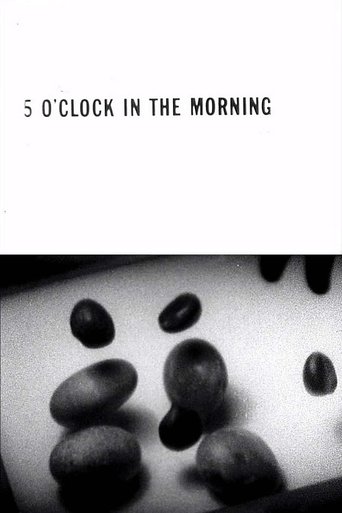
4.5A handful of rocks and chestnuts falling, filmed with high speed camera.
5 O'Clock in the Morning
1966
 2.9
2.9This film consists entirely of close ups of famous persons' bottoms. Ono meant it to encourage a dialogue for world peace.
No. 4
1966
 5.0
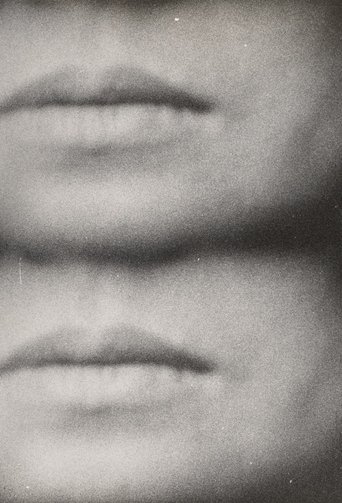
5.0A smile gradually fades into a neutral facial expression.
Disappearing Music for Face
1966
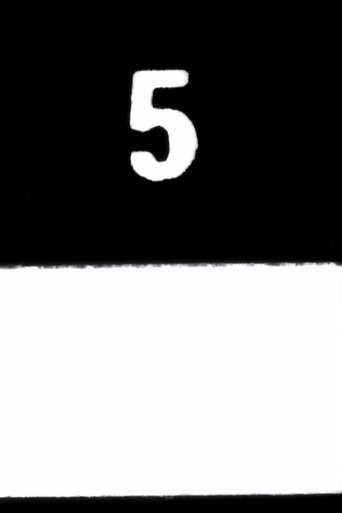 5.0
5.0Flicker: White and black alternating frames.
Blink
1966
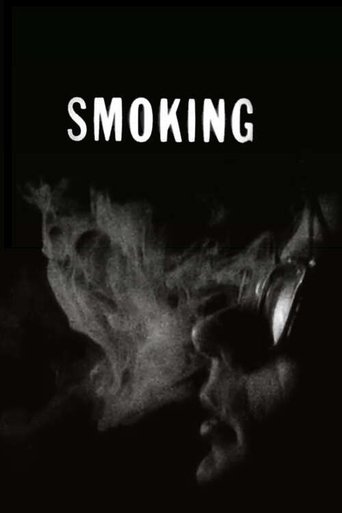 4.9
4.9Shot at 2,000 frames per second, this short shows a man exhaling smoke in incredibly slow motion.
Smoking
1966
 5.8
5.8Word & number gag, no camera.
End After 9
1966
 5.0
5.0Time counter, in seconds and minutes.
9 Minutes
1966
 3.8
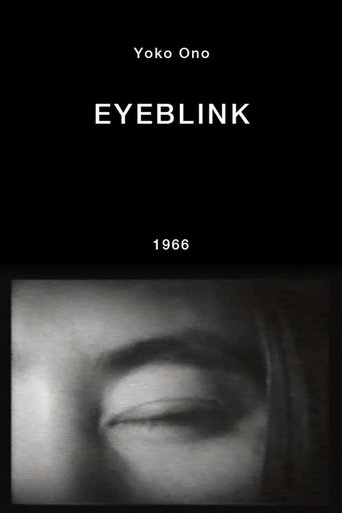
3.8A 16 mm film, featuring Yoko Ono's own eye slowly blinking, shot by Peter Moore with a high-speed camera at 2,000 frames per second, which is projected at normal speed, 24 frames per second, thus creating a slow-motion effect.
Eyeblink
1966
 4.0
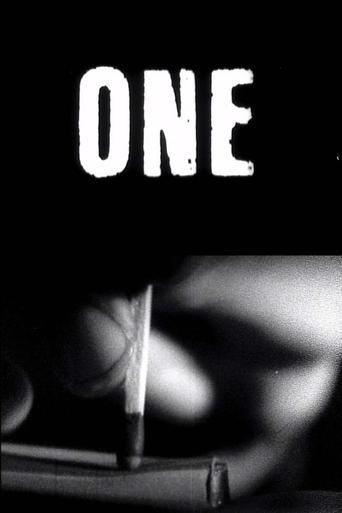
4.0Collected as part of the Fluxfilm Anthology (a multi-reel compendium of 37 short films assembled by Fluxus founder and central operator George Maciunas), One captures the lifespan of a single match recorded at 2,000 frames per second using a 16mm high-speed camera. The frame rate is then decelerated to the standard 24fps for presentation. The film emphasizes each gesture, sway and flare of flame as the small pinewood carrier ignites across the landscape of the filmstrip and screen, signalling the drama and poetics of this ”minor” event before the fire is extinguished. One also stands as an unassuming beacon, immortalizing on film the essence of some of Ono’s early concerns as an artist. At the slightest touch of fire, they burst into flame. Strike everywhere. Strike often.
One
1966
 5.0
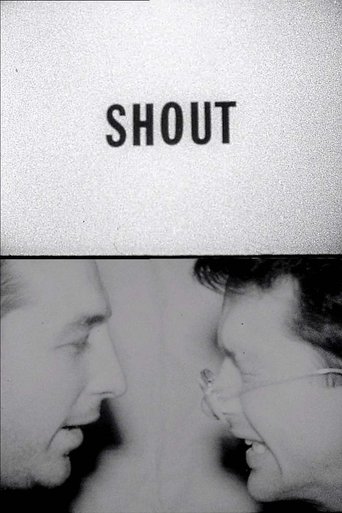
5.0Close-ups of two faces, shouting at each other.
Shout
1966
 4.3
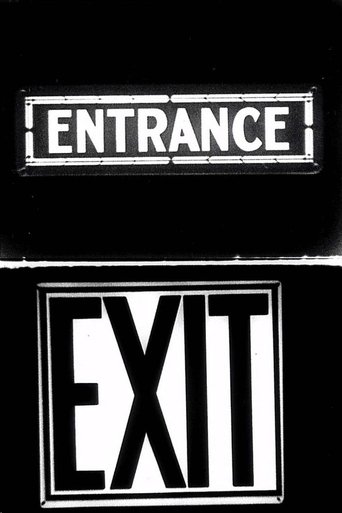
4.3Features entrance and exit door signs, fading through black and white.
Entrance to Exit
1966
 4.3
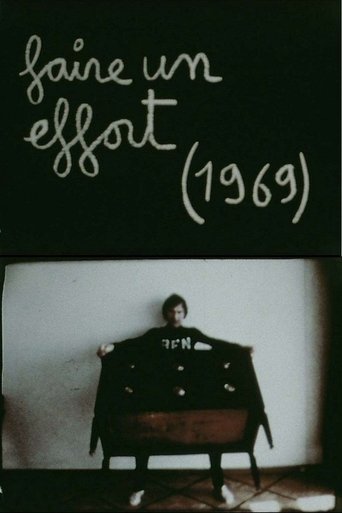
4.3Lifting and holding up a chest of drawers.
Faire un effort
1969
 5.0
5.0Tips of feet walking at the edge of frame, all around the frame.
Fluxfilm No. 36
1970
 5.0
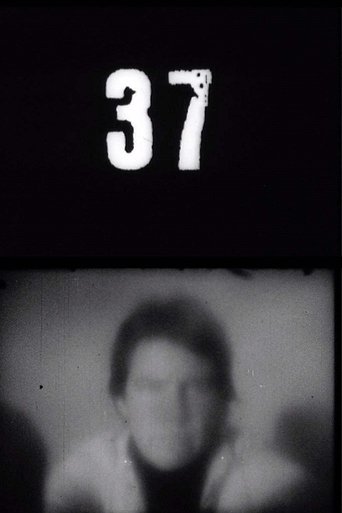
5.0Face going out of focus by layering sheets of plastic between camera and subject.
Fluxfilm No. 37
1970